

On what an open championship tells us about the right moment to enter motorsport — and why uncertainty is the most underrated word in sponsorship.
I have been watching motorsport for a long time. Long enough to have learned that the races which stay with you are rarely the ones where the predicted winner wins. They are the ones where something breaks, or someone falls, or a story ends mid-sentence and a new one begins before the dust has settled.
Jerez gave us a glimpse of that last weekend.
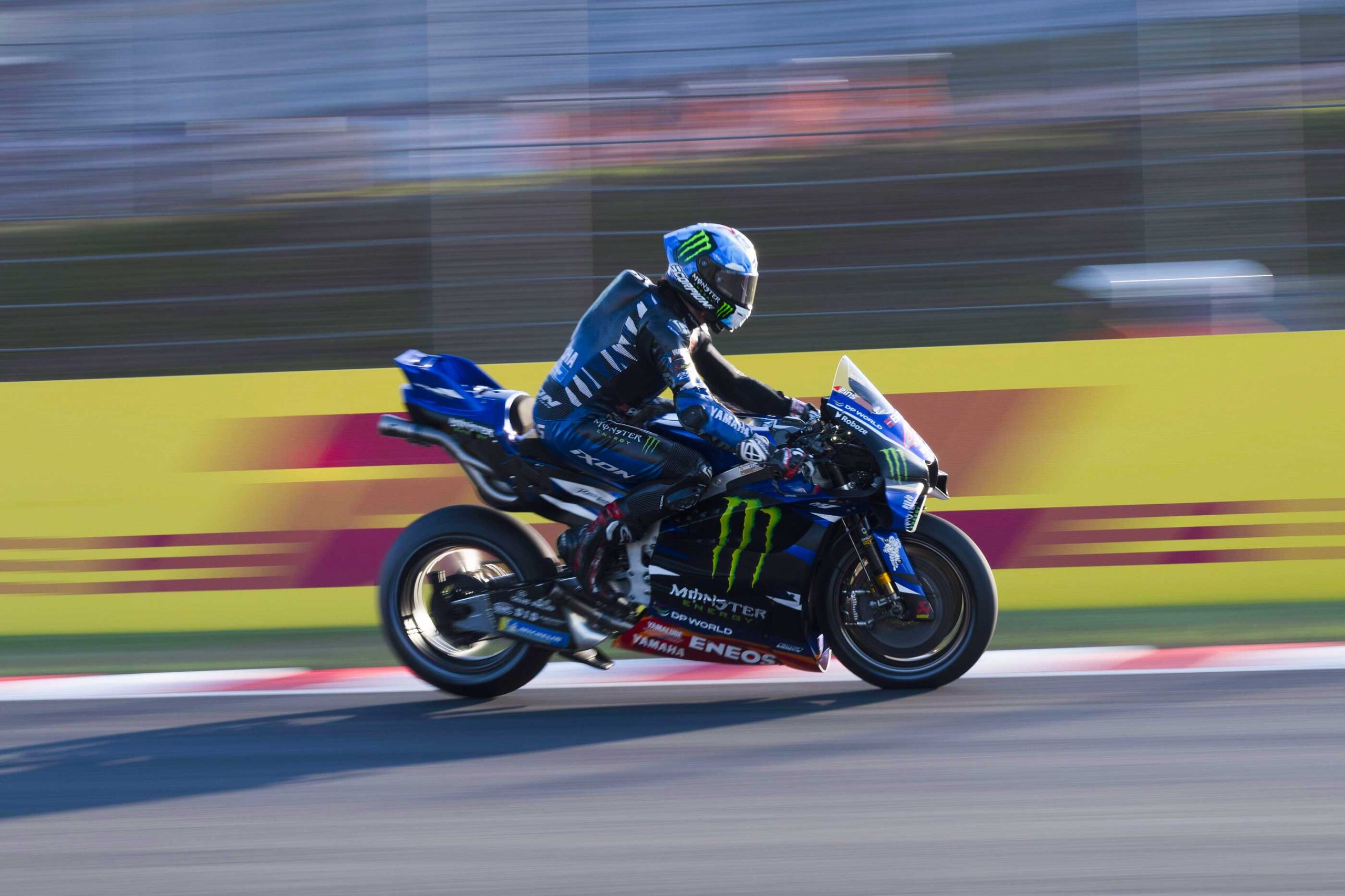
Marc Marquez arrived at the Spanish Grand Prix as the reigning MotoGP world champion, as the pole-sitter, as the home favourite in front of a crowd that had come, in large part, specifically to watch him win. He crashed out on lap two after winning a rain-soaked sprint drama on Saturday. His teammate Francesco Bagnaia retired with a technical issue. The factory Ducati team — the team that has defined the shape of MotoGP for years — extended its run without a Sunday race win to nine consecutive events. It is, for them, the longest such drought since 2021. And across the line, in front of a crowd that had not entirely planned for this outcome, came Alex Marquez: satellite bike, Gresini livery, a victory that he himself had described as almost impossible on Thursday.
I am not writing this to summarise a race result. I am writing it because what happened at Jerez is a near-perfect illustration of something I have been trying to articulate to the brands we work with for most of this season: in 2026, there is no dominant story. And that is exactly what makes this the most commercially interesting moment in motorsport in years.
The same dynamic is playing out at the opposite end of the paddock spectrum. Formula 1 returned this year under a complete technical overhaul — new power units, active aerodynamics, a grid that has reshuffled itself so thoroughly that McLaren, the team that lifted both titles last year, has already lost ground in the constructors’ standings. Kimi Antonelli, nineteen years old, leads the drivers’ championship. The regulations proved sufficiently disruptive that the FIA convened an emergency stakeholder meeting after just three rounds and agreed mid-season amendments to be introduced from Miami. Even the rulebook, in 2026, is not settled.
Red Bull is struggling. Audi lost its team principal after two races. Alpine, which finished tenth in the constructors’ last year, has climbed to fifth. The narratives that everyone assumed would define the season have been quietly replaced by ones nobody wrote in advance.
This is not a crisis for the sport. This is the sport functioning at its most compelling.
I say this as someone who has spent thirty years in this business, working alongside brands that have come to motorsport from almost every sector imaginable. And the question I hear most consistently, from chief marketing officers and brand directors and commercial leads across three continents, is some version of: when is the right moment to come in?
The honest answer — the one I give every time, regardless of where we are in the calendar — is that the right moment is almost always earlier than the brand thinks it is. Assets are allocated well in advance. Commercial conversations in motorsport move on their own timeline, not the brand’s. The opportunities that look most attractive in January are frequently unavailable by March. This is a market that does not wait.
But there is a second part to that answer, and it is the one that this particular season makes unusually visible. The right moment is also, specifically, a moment like this one. A moment when hierarchies are genuinely unsettled. When no single team or manufacturer has locked the narrative. When a satellite bike can win a grand prix and a teenage boy from Bologna can lead a world championship. Because what a brand buys when it enters motorsport is not a logo on a car or a bike. It is access to the attention of an audience that is watching precisely because they do not know what happens next. The uncertainty is not incidental. It is structural. It is the reason hundreds of millions of people set an alarm on a Sunday morning.
The numbers have been rehearsed often enough that I will spare you the full recitation. But 826 million F1 fans globally and 432 million MotoGP TV viewers are not figures that require interpretation. They are a statement of reach. And reach, combined with the emotional intensity that only live sport generates, is the environment in which brands build memory, preference and commercial relationship at a rate that very few platforms can rival.
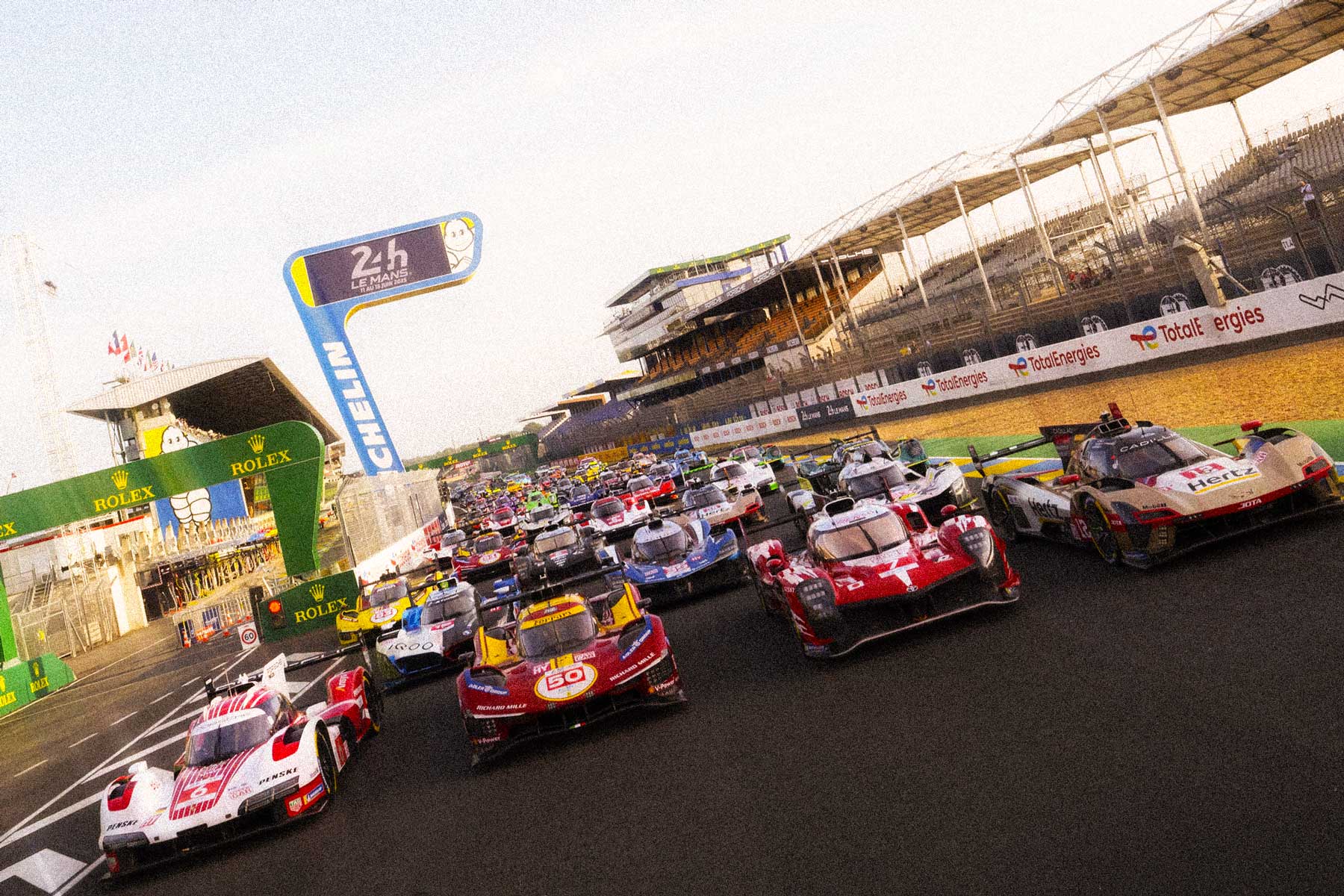
What I will say, after everything this 2026 season has already delivered, is this: a brand that enters now — in MotoGP, in Formula 1, in WEC or any of the other major series we work across — does not arrive as a latecomer to someone else’s story. It arrives at the moment when the story is genuinely open. When the ending has not been written. When the audience is most engaged and the narrative is most alive.
At RTR, we have always believed that the brands which move decisively in seasons of disruption are the ones that tend to define the commercial landscape of the years that follow. 2026 is giving us disruption in abundance. The only question worth asking is whether you are ready to move while the window is still open.
Warm regards,
Riccardo Tafà Managing Director, RTR Sports Marketing