On the controlled chaos of a new era — in the paddock, in the boardroom, and on the grid.
There is a particular quality to the opening weeks of a new motorsport season. The regulations are fresh, the hierarchies unresolved, the field still finding its shape. Tyres haven’t found their temperatures. Engineers are still reading data they haven’t seen before. And somewhere in a hospitality suite, a brand director is watching the first race of the year and asking the question every sponsor quietly asks at this moment: did we back the right horse?
In 2026, that question has never felt more alive.
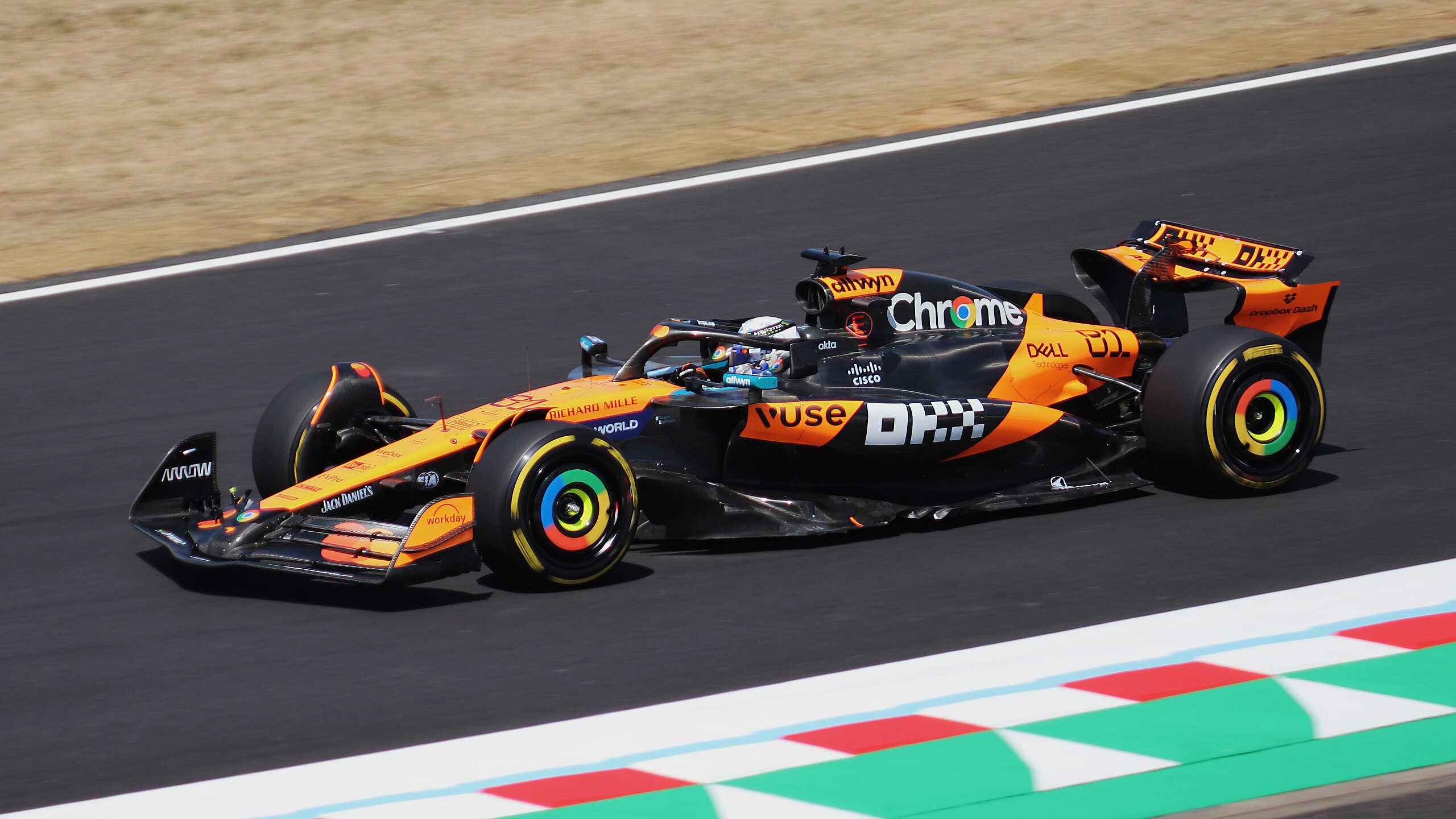
Formula 1 returned this spring under a sweeping new technical era — ground effect gone, active aerodynamics arriving, power unit regulations overhauled. The grid reshuffled itself accordingly. McLaren, the team that lifted the constructors’ trophy last year and gave Lando Norris his first world championship, has carried its momentum into the new cycle with Mastercard arriving as Official Naming Partner in a deal reportedly worth over $100 million per season. It is a number that speaks volumes — not just about McLaren’s commercial momentum, but about what Formula 1 has become: the most watched, most investable, most commercially sophisticated motorsport on the planet.
The transformation that began quietly around 2017 has now reached full maturity. Formula 1 is not a sport that happens to have sponsors. It is a global commercial platform that happens to race.
And yet the opening races have already upended expectations. Red Bull, the team that defined a generation, has found itself in unfamiliar territory — competitive struggles reflecting the challenge of adapting to rules that no longer flatter their previous philosophy. Max Verstappen, the four-time world champion, has been candid in his frustration. At Audi, the drama has taken an even sharper turn: team principal Jonathan Wheatley, who joined from Red Bull with the brief of building a competitive operation from the ground up, departed with immediate effect just two races into the season, reportedly set for a move to Aston Martin. Finally McLaren, the current Drivers’ and Constructor’s World Champion, had to sit the Chinese GP out – with both Piastri and Norris failing to make it to the start. Meanwhile in Brackley, Mercedes has reshaped its own leadership structure, appointing Bradley Lord as deputy team principal, while 19-year-old Antonelli conquered his maiden victory in the Jiading District of Shanghai. The paddock never rests. It never did.
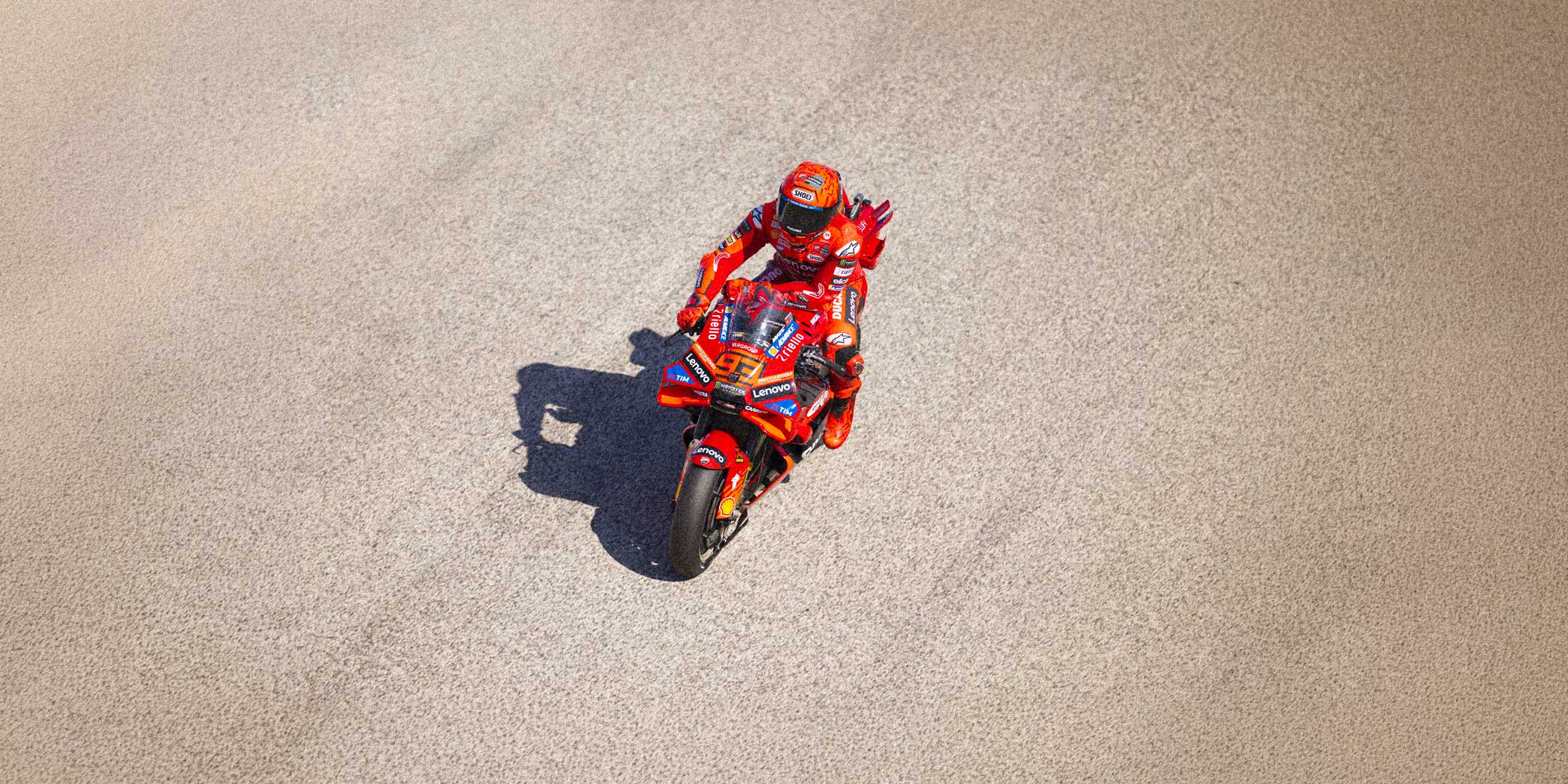
On two wheels, a chapter is being written that would have seemed improbable even a year ago. MotoGP returned to Brazil last weekend for the first time in twenty years — a race held at Goiânia, a circuit that felt, according to the riders who first turned a wheel on it, simultaneously fast, narrow, and unlike anything on the calendar. Make no mistake: the weekend was far from the smooth pan-american triumph the promoters and the rights holder had hoped for (with floodings and heavy tarmac issues affecting the weekend), but it was a very important first step nonetheless. The Autodromo Internacional Ayrton Senna carries a name that is not incidental: it is a statement of intent from a series that understands the power of narrative, of geography, of belonging. Brazil is not a market MotoGP is visiting. It is a market MotoGP is arriving in — permanently, ambitiously, hungrily. Under Liberty Media’s new stewardship of Dorna Sports -now MotoGP Sport Entertainment group – the championship’s commercial strategy is unmistakably accelerating.
These are not footnotes. They are signals — the kind that sponsors read before anyone else does.
At RTR Sports, we have spent more than 25 years watching these signals. We have seen sponsorships born in paddock conversations that became decade-long brand stories. We have seen markets open, valuations climb, and the very concept of motorsport marketing evolve from logo placement to something far richer: brand equity, B2B networking, content ecosystems, hospitality experiences that close contracts before the podium ceremony is over. What we are watching in 2026 is the continuation of that story — but at a speed and scale that commands attention.
The brands that move decisively in seasons of disruption are the ones that tend to define the commercial landscape of the years that follow.
A new technical era in Formula 1 means new hierarchies. New champions emerge; new narratives need partners willing to tell them. A championship arriving in Brazil means a new audience of 215 million people suddenly within reach of a MotoGP sponsor’s message. Opel’s return to motorsport through Formula E — announced just this month — signals that the European automotive industry is reading the electric series’ trajectory with fresh eyes. Max Verstappen’s epic stunt at the Nürburgring Endurance Series quickly sparked new interest in the GT3 world.
Each of these moments is, in commercial terms, an opening.
The question, as always, is not whether motorsport is worth investing in. The numbers — 826 million global fans in F1 alone, 432 million MotoGP TV viewers per race weekend — answer that before the conversation begins. The question is whether your brand is ready to move when the window is open.
We believe it is. And if you are reading this, we suspect you do too.
Warm regards,
Riccardo Tafà
Managing Director, RTR Sports Marketing