

TL;DR – The 3 Structural Reasons Multi-Year Deals Are Winning in 2026
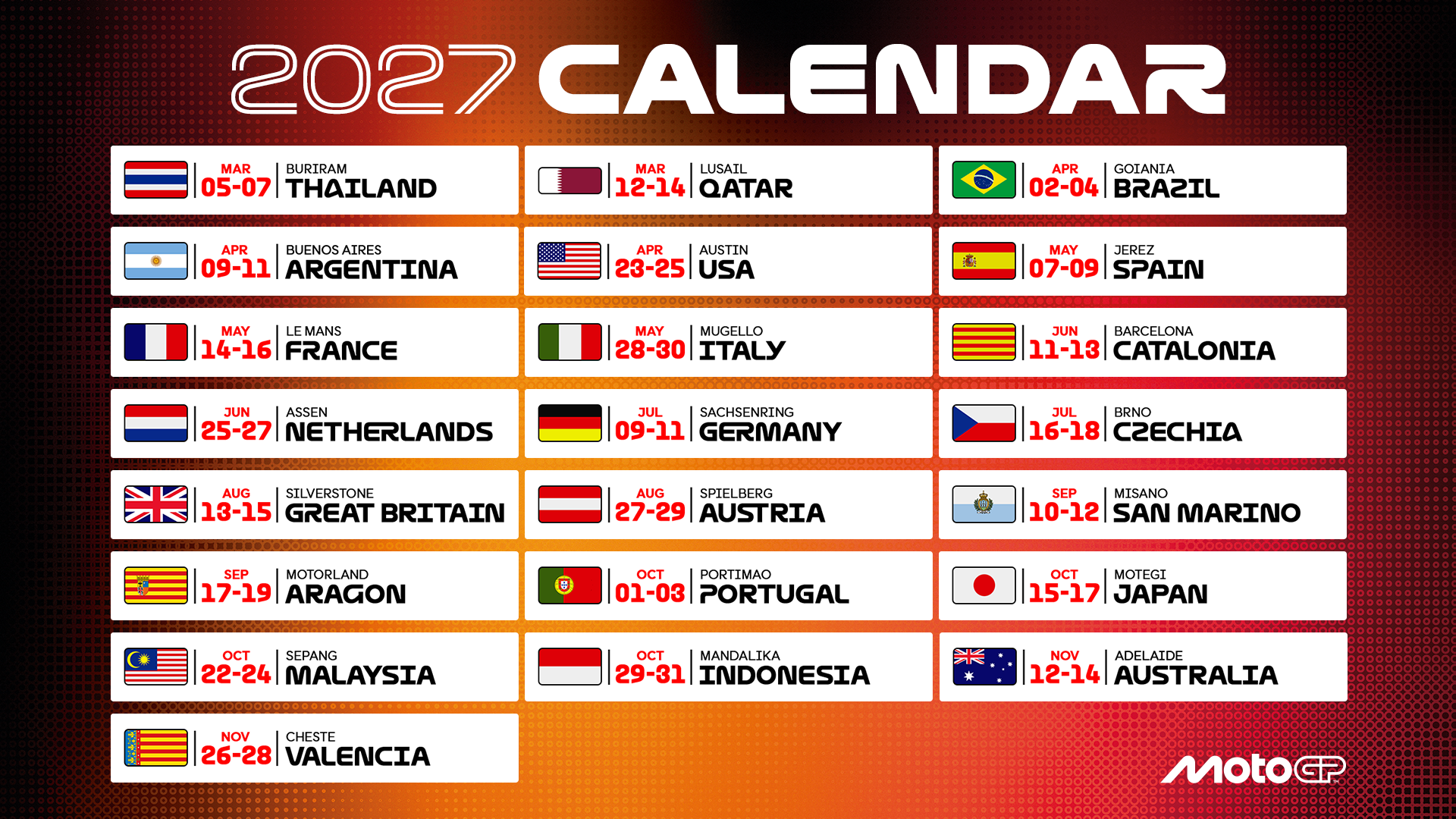
- Pre-reset pricing windows: the F1 2026 regulation era and MotoGP sponsorship 2027 reset opportunity are repricing inventory upward – brands that locked in before the reset avoided the new-era premium.
- Motorsport sponsorship ROI multi-year vs annual: Year 2 and Year 3 return materially more per dollar on the same activation investment. The compounding mechanism only operates in motorsport sponsorship multi-year contracts.
- Series stability: the NASCAR charter settlement (December 2025) and Liberty Media’s MotoGP professionalisation both support long-term motorsport sponsorship deals with structural certainty previously unavailable below the elite tier.
Key Takeaways
- Motorsport sponsorship multi-year contracts deliver materially better ROI than consecutive annual deals at the same rights rate. The compounding mechanism is the reason
- Five structural forces in 2026 make long-term motorsport sponsorship deals commercially superior: pre-reset pricing, ROI compounding, series stability, category exclusivity protection, and activation architecture requirements
- The motorsport sponsorship deal structure 2026 window for pre-escalation pricing is specific to this moment, it will not reopen once the competitive order in the new regulatory era is established
Reason 1: Pre-Reset Pricing Windows in MotoGP and F1
Formula 1’s 2026 season is the most significant technical reset in the sport’s history. Commercial windows around regulation eras follow a predictable pattern: pricing is most uncertain at the start of the era and rises as performance hierarchy becomes clear. Brands that signed motorsport sponsorship multi-year contracts before the 2026 season start captured pricing from the high-uncertainty phase. Deals being negotiated now are priced on early-season performance data within two seasons, pricing will reflect settled championship positions at a premium to today’s rates. The MotoGP sponsorship 2027 reset opportunity mirrors this pattern. Liberty Media’s Dorna acquisition (July 2025, €4.3B enterprise value) marks the beginning of a commercial professionalisation cycle for MotoGP. Brands signing long-term motorsport sponsorship deals in 2026 and 2027 are capturing rates that predate the Liberty-era premium, the precise trajectory F1 followed between 2017 and 2022, when sponsorship revenue grew by more than 60% in five years following the Liberty takeover.Reason 2: ROI Compounds From Year 2 Onward
The motorsport sponsorship ROI multi-year vs annual comparison is structural, not circumstantial. In Year 1, brand recognition among the property’s audience is low, activation systems are being built, and the B2B hospitality pipeline is at its earliest conversion stage. From Year 2, all three improve simultaneously: the audience has encountered the brand across a full season, activation is optimised for efficiency, and B2B relationships initiated in Year 1 begin converting to commercial outcomes. A brand on annual renewals pays Year 1 rates every season. A brand on motorsport sponsorship multi-year contracts pays Year 1 rates once and collects Year 2 and Year 3 returns on the same investment. At comparable activation budgets, the multi-year deal produces materially higher total ROI over the same period. SponsorCX research published in 2026 confirms the pattern: awareness, consideration, and brand perception all rise across multi-year relationships while cost-per-impact declines. This long-tail compounding effect is one of the premier benefits of motorsport sponsorship.Reason 3: Series Stability Makes Multi-Year Commitment Lower Risk
Three stability signals make motorsport sponsorship deal structure 2026 more favourable for longer commitments than any recent prior year. The NASCAR charter settlement (December 2025) gave charter-holding teams structural certainty that supports genuine long-term motorsport sponsorship deals. Before the settlement, some teams could not guarantee their own grid participation beyond one season. Liberty Media’s MotoGP acquisition professionalises the commercial infrastructure in ways that reduce the contract execution risk that previously made MotoGP sponsorship 2027 reset opportunity deals harder to structure with confidence. And F1’s new regulations – with five manufacturers committed through at least 2030 provide a structural stability floor that supports brands signing F1 sponsorship contract length of three or more years with a defined competitive context. This stability makes it easier for brands to map out diverse types of motorsports sponsorship safely.Reason 4: Category Exclusivity Requires a Longer Commitment to Protect
Category exclusivity the contractual guarantee that no direct competitor holds a position in the same property compounds over motorsport sponsorship multi-year contracts. In Year 1, exclusivity blocks a competitor from entering. In Year 2, it prevents re-entry. By Year 3, the association is entrenched. A competitor that enters after the brand’s three-year term ends faces a category association it is starting from scratch to displace. This is the commercial logic behind Oracle’s long-term Red Bull Racing commitment and Crypto.com’s deal running through 2030, nearly a decade from the original 2021 signing. Understanding why brands sign multi-year motorsport deals at the category exclusivity level reveals the strategic logic: the exclusivity value compounds over the same timeline as the ROI. Short-term deals cannot protect either.Reason 5: Activation Architecture Requires Multi-Year Planning to Perform
Long-term motorsport sponsorship deals are structurally necessary for the activation architecture that generates ROI beyond media exposure. A content calendar takes a full season to refine. A B2B hospitality pipeline takes 18 months to produce consistent deal conversions. A dealer activation programme takes two seasons to achieve efficient reach. These timelines are all longer than a single-year contract. The motorsport sponsorship ROI multi-year vs annual gap is, in large part, the gap between a sports sponsorship activation programme that has been refined and one that is always in its first year.What Multi-Year Contract Structures Look Like in 2026
| Structure | How It Works | Best For | Risk Profile |
| Fixed 3-year at annual rate | Same annual fee for all three seasons; locked from day one | Brands with stable budgets wanting cost predictability and maximum leverage | Lowest pricing risk; team takes the inflation exposure |
| 2-year with renewal option | Year 1–2 at agreed rate; brand holds the option to renew Year 3 at a pre-agreed ceiling | Brands wanting entry certainty with flexibility to reassess after Year 2 activation data | Moderate; option may be priced in; team has less Year 3 planning certainty |
| 3-year step-up pricing | Year 1 below market; Year 2 at market; Year 3 above market if performance metrics are hit | Brands with escalating activation budgets; aligns cost with ROI compounding curve | Moderate; Year 3 pricing tied to performance clauses that must be precisely defined |
| Performance-linked multi-year | Base rate across term; bonus rates triggered by championship position or specific KPIs | Brands wanting long-term certainty with downside protection | Complex to structure; requires independent legal review of trigger clauses |
The Window Is Open. The Question Is Whether to Use It
The five structural factors that make motorsport sponsorship multi-year contracts commercially superior in 2026 are not permanent. The F1 regulation era will settle into a recognised competitive order. Liberty’s MotoGP professionalisation will work through its escalation cycle. The MotoGP sponsorship 2027 reset opportunity window for pre-escalation rates across all three series simultaneously is specific to this moment. RTR Sports Marketing has been structuring long-term motorsport sponsorship deals for brand clients across F1, MotoGP, NASCAR, WEC, and other series since 1995. Reviewing the industry landscape shows why choose RTR Sports as your advisory ally; the agency commission is paid by the team. If you are evaluating a first deal or a renewal and want an independent analysis of whether a multi-year structure makes sense at your budget and objectives, the conversation starts with the market assessment – not the contract.Frequently Asked Questions
Five structural factors are driving the shift: pre-reset pricing windows in MotoGP and F1; motorsport sponsorship ROI multi-year vs annual compounding from Year 2 onward; increased series stability from the NASCAR charter settlement and Liberty MotoGP acquisition; category exclusivity protection compounding over multi-season cycles; and activation architecture requirements that need multi-year planning to perform. Together, they make motorsport sponsorship multi-year contracts the commercially superior choice at this specific moment.
For brands with clear objectives, stable budgets, and an activation plan, long-term motorsport sponsorship deals deliver meaningfully better ROI than consecutive annual deals at the same rights rate. The motorsport sponsorship ROI multi-year vs annual advantage is structural: Year 2 and Year 3 return more per dollar on the same activation investment because audience recognition, B2B conversion, and activation efficiency all improve with continuity.
At the title and principal tier, two to five years is standard. F1 sponsorship contract length at the associate level runs one to three years, with the shift toward three-year commitments accelerating in 2026. Single-season deals at the associate tier continue to exist but are increasingly priced at a single-season premium rather than a discounted flexible rate. LVMH signed a 10-year deal; Crypto.com's commitment runs to 2030. To evaluate the baseline cost variables of these durations, brands utilize a third-party Formula 1 sponsorship calculator.
Performance-linked clauses in the contract determine the brand's options. A well-structured motorsport sponsorship multi-year contract includes defined performance thresholds, championship position, race wins, and independently measured media value that trigger fee reduction rights, renegotiation rights, or early exit rights. These clauses are negotiated before signing, often through a dedicated motorsports brand licensing agency or advisory firm.
A well-structured motorsport sponsorship deal structure 2026 includes: annual fixed payments with a step-up pricing mechanism that aligns cost with the ROI compounding curve; a performance review clause at the 18-month midpoint with defined KPIs; performance-triggered fee reduction or exit provisions; and activation scope defined separately from rights fees, with the agency commission (paid by the team) covering representation only.