

Germany is the world’s third-largest economy by GDP, with 83 million inhabitants and one of the highest average purchasing powers in Europe. For a brand looking to use sport as a marketing lever, this means one thing: quality audience. German fans do not just watch, they participate, they buy, and they have the economic capacity to do so consistently. This article analyses how sports sponsorship works in Germany, who the key players are, what the real opportunities are, and what a brand needs to know before investing.
Germany: A Premium Market for Sports Sponsorship
The German sports sponsorship market is worth over 4.5 billion euros per year, according to PricewaterhouseCoopers estimates. This is not just about absolute numbers, but about a particularly efficient spending structure: German brands invest in sponsorships with long-term logic, building multi-year partnerships that produce deep brand recognition and, consequently, more stable ROI compared to one-off campaigns.
Sports television in Germany reaches around 40 million unique viewers per week. Among the most-watched disciplines: football (Bundesliga), motorsport (MotoGP, Formula E, DTM), and cycling. The variety of the offering is a strength: not all sponsorship budgets need to go through football.
Football: The Major Contracts That Define the Market
Football is inevitably the benchmark when talking about sports sponsorship in Germany. From the 2025/26 season, the main Bundesliga contracts show a stable structure:
- Bayern Munich / Deutsche Telekom: the longest-running main sponsorship deal in German football, renewed until 2027 for around 50 million euros per year.
- Borussia Dortmund / Vodafone: BVB changed main sponsor in 2025, moving from 1&1 to Vodafone, a signal of the competitive level reached by the telecommunications market in the sector.
- Bayer Leverkusen / Barmenia and RB Leipzig / Red Bull: two opposite sponsorship models. The former, a regional insurer that built national recognition through football. The latter, a global brand that literally founded a club to build a communications ecosystem.
MotoGP at the Sachsenring: Nine Wins, a Loyal Market
The Liqui Moly German Grand Prix 2025 confirmed what industry professionals have known for years: the Sachsenring is one of the most loyal events on the MotoGP calendar in terms of attendance and local brand engagement. Marc Marquez claimed his ninth victory on the circuit, riding for the Ducati Lenovo Team, ahead of his brother Alex and Francesco Bagnaia.
This figure — nine wins for a single rider on one track — is not just a sporting statistic. For a sponsoring brand it is a measure of the narrative strength available. Such a well-defined story attracts media, attracts organic content, and creates a context where being present is worth more than mere logo visibility.
Liqui Moly, the German motor additives brand that gives its name to the event, built its MotoGP sponsorship strategy on exactly this principle: not buying generic visibility, but occupying a precise positioning in a context highly consistent with the product. To understand how MotoGP sponsorship works in the German market, the Sachsenring GP is the most complete case study available.
Formula E: German Brands Choose Electric
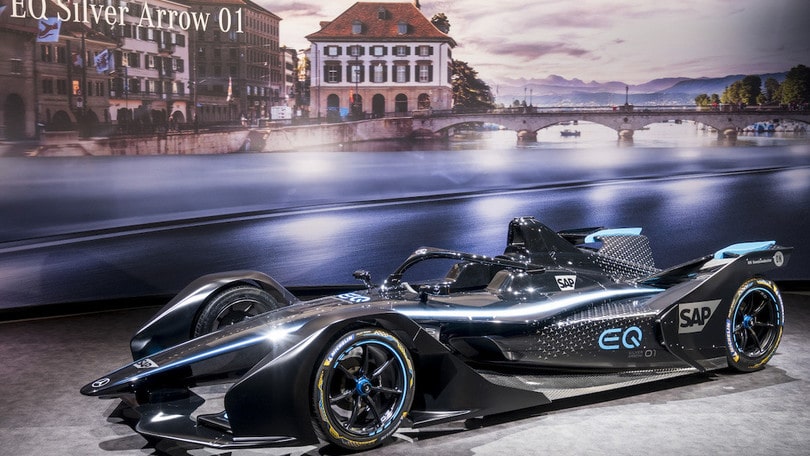
Formula 1 has no German Grand Prix on the 2025 calendar. This has shifted the attention of local motorsport brands towards other championships. Formula E has become the preferred testing ground for German manufacturers to communicate technological innovation.
Porsche won the Teams World Championship and Constructors World Championship in the 2025 Formula E season. The Andretti and Cupra Kiro customer teams, both Porsche-powered, contributed to the constructor’s result, demonstrating the depth of the system.
For sponsors, Formula E offers something Formula 1 cannot: access to a narrative of sustainability and technological innovation that is credible because it is structurally true.
Three Mistakes to Avoid in the German Market
Those approaching sports sponsorship in Germany for the first time often make the same mistakes. First: underestimating the length of the decision cycle. German brands, clubs and federations tend to negotiate carefully and take time. Second: assuming that access to the German market equals access to the European market. Germany is a market in its own right. Third: ignoring the value of local activations. German fans participate actively. The on-site engagement rate at MotoGP Grands Prix, Bundesliga matches and DTM events is among the highest in Europe.
How RTR Sports Works in the German Market
RTR Sports Marketing has operated in tier-one motorsport for over 30 years. In the German market, this means having a track record of negotiations with teams and promoters who know our approach: brand-property fit analysis, deal structuring with clear performance indicators, and content activation to maximise visibility beyond the event perimeter.
Write to us at info@rtrsports.com for a tailored analysis.