

Why Tech Brands Will Dominate Motorsports Sponsorship in 2026
The Numbers Behind the Rise of Tech
The shift of technology-related funding toward motorsports has been gradual rather than sudden, and has reached the point where the sector now leads Formula 1 sponsorship spending. Industry analyses place technology at about one-sixth of the total value of F1 sponsorships, ahead of financial services, energy, and auto parts (the full list of F1 title sponsors for the 2026 season lets you check the real distribution team by team). This figure should be treated with caution rather than repeated as an absolute truth, because sponsorship values are notoriously opaque, and different analysts define the boundaries of these categories in different ways. What is not in question is the direction: a paddock that two decades ago was dominated by tobacco, energy, and beverages is now populated by cloud providers, data platforms, and cybersecurity companies. This pattern repeats itself, to varying degrees, in MotoGP, Formula E, and endurance championships . Wherever there is telemetry, large volumes of data, and an engineering story to tell, tech brands have followed. For a SaaS company, the question is no longer whether its category has a place in motorsports, but which championship and which structure best suit its specific business objective.What motorsports offer the tech industry that other sports cannot
A soccer jersey or the naming rights to a stadium provide exposure and excitement. Motorsports offers something that a technology brand values even more: a live demonstration of engineering under extreme conditions. A modern single-seater generates enormous amounts of data over the course of a race weekend, and the teams that win are the ones that turn that data into decisions faster than their rivals. For a cloud provider, a data platform, or an analytics company, this isn’t just a backdrop. It’s a real-world test, played out in front of a global audience, with the brand’s technology visibly contributing to the outcome. This is the structural advantage that no other sport can replicate on the same scale. The narrative of speed, precision, and marginal gains aligns perfectly with the promises that enterprise technology makes to its customers. When done right, a motorsport partnership allows a technology brand to tell a potential customer: this is what our product does when the margin between winning and losing is measured in thousandths of a second.Visibility Agreement or Field Trial Partnership
Here’s the distinction that separates programs that succeed from those that fade away quietly. A visibility agreement buys visibility: the brand on the car, on the driver’s suit, on the team’s backdrop. It generates media value and brand awareness, and for certain objectives, that’s enough. A real-world partnership is something else entirely. Here, the technology is actually put to use; the team genuinely uses the product; and the story the brand tells is true because it’s happening right now. This difference matters commercially, because a partnership of this kind generates content, case study material, and sales conversations that a logo alone will never produce. For a SaaS brand whose buyers are technical and skeptical, the second model is almost always the best investment-even when it costs more to set up.Which league is a good fit for which tech brand?
No league offers the same audience, the same geographic reach, or the same business model. Choosing the wrong one is the most costly mistake a first-time sponsor can make, because the entry fee is just the beginning of the commitment. The right league is one whose audience overlaps with your target customers and whose schedule reaches your priority markets.Formula 1 for Global Enterprises and the Cloud
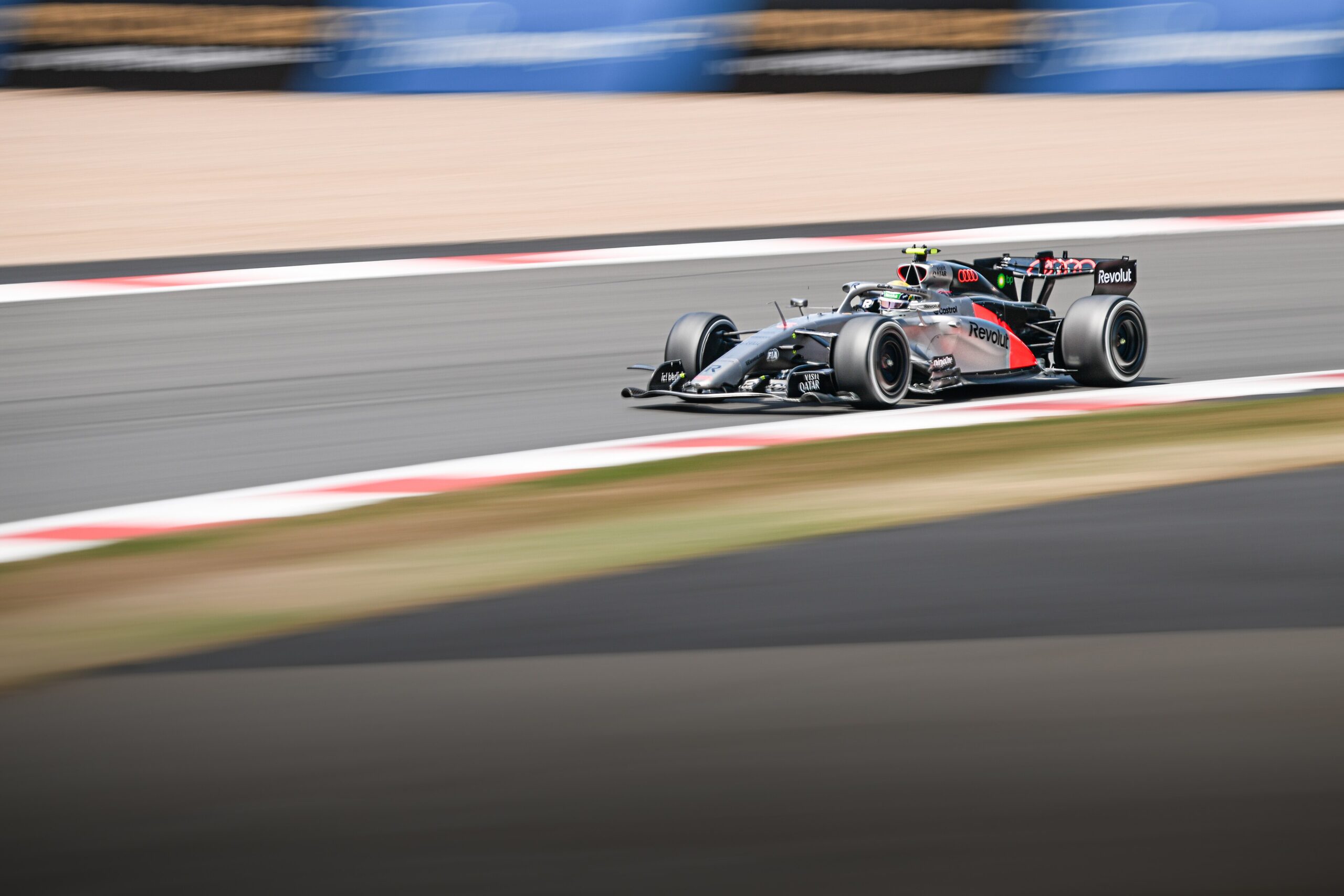
Formula 1 is the premium option: the broadest global audience, the most in-depth engineering narrative, and the highest entry barrier. It suits technology brands with global ambitions and the budgets to match, particularly cloud and data companies whose clients are large multinational organizations. The arrival of three Grand Prix races on U.S. soil has changed the calculus, especially for American tech brands, opening up a domestic path to a championship that, until recently, was structurally difficult for a U.S. company to justify.MotoGP and the Growing Markets of the Asia-Pacific Region
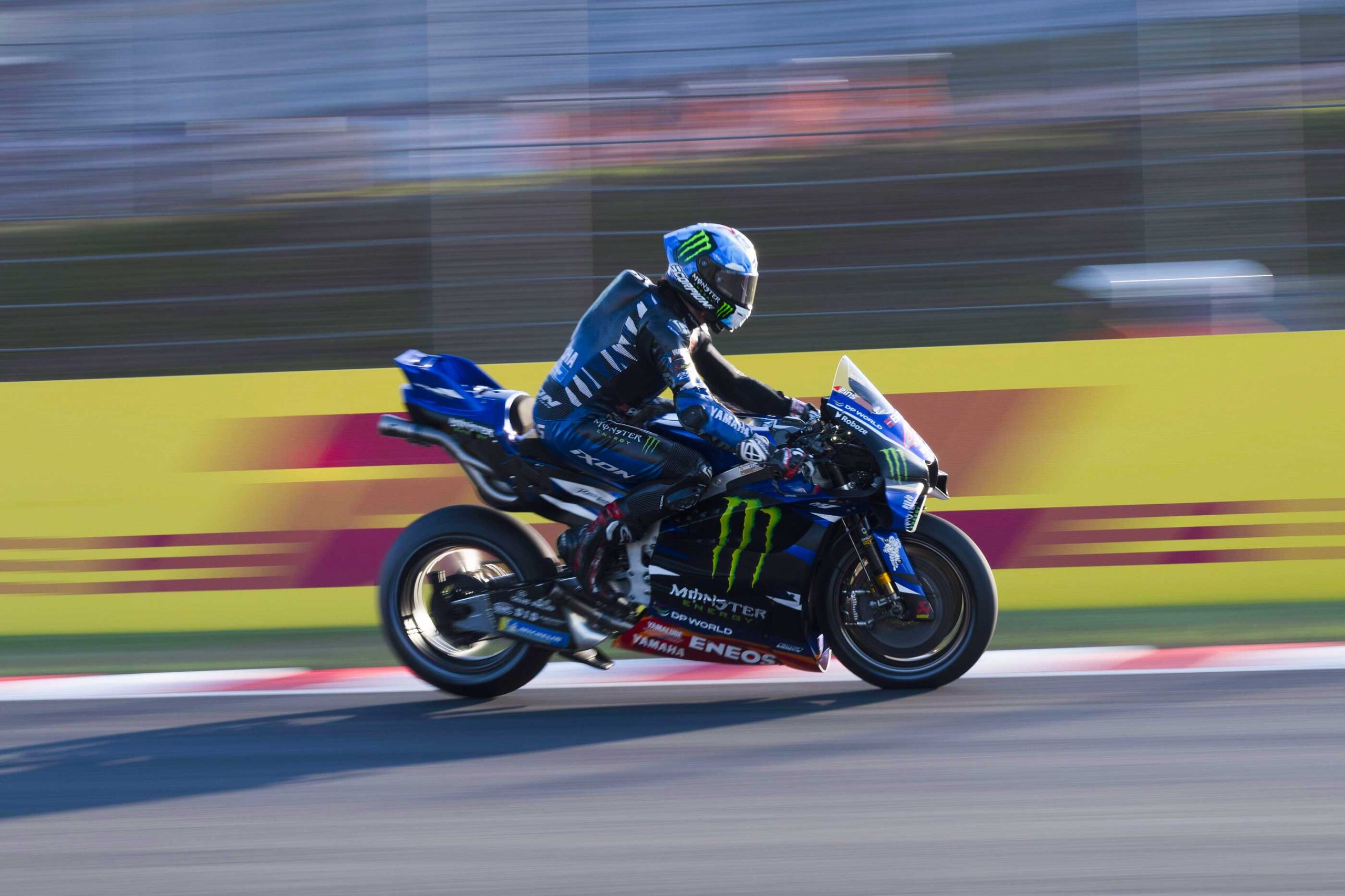
MotoGP has a passionate and engaged audience, with a strong presence in Southern Europe and, increasingly, in the Asia-Pacific region. For a SaaS brand seeking growth in Indonesia, Thailand, Malaysia , or Japan, the championship’s schedule and fan base align with markets that Formula 1 reaches to a lesser extent. The entry fee is lower than that of Formula 1, making it a viable option for a mid-tier tech company seeking a premium association with motorsports without the premium cost of the top tier.Formula E and Sustainability and Smart City Technologies
Formula E races with electric cars in the centers of major cities, and its audience is younger and more sustainability-conscious than the traditional motorsport fan. For a technology brand whose history revolves around efficiency, sustainability, smart infrastructure, or clean energy, the championship offers an alignment of values that Formula 1 cannot provide. The commercial landscape is also less crowded, which can translate into better access and clearer category exclusivity for brands that are first to act.NASCAR and IndyCar for U.S.-focused SaaS
For a tech company whose growth priorities lie in the United States, NASCAR and IndyCar are worth a closer look. NASCAR commands one of the most loyal commercial fan bases in all of global sports, with an audience that demonstrably supports the brands that sponsor the sport. IndyCar offers a flexible cost structure, ranging from associate-level entry to title-level sponsorship, allowing a SaaS brand to scale its commitment to fit its budget. Neither has the global prestige of Formula 1, but for a company selling in the U.S. market, that global prestige is a premium you may not need to pay.The B2B Case: Hospitality in the Paddock as a Driver of Enterprise Sales
Why the paddock beats the press conference
For an enterprise SaaS company, the most underrated asset of a motorsport partnership isn’t the logo. It’s access. A race weekend puts the brand at the forefront of an environment where a potential customer truly wants to be-for reasons that have nothing to do with sales. A day in the paddock, close to the cars and the people who run them, moves a complex enterprise deal forward more than a year’s worth of trade show booths and cold calls. The setting strips the conversation of its transactional edge, and the shared experience builds the kind of relationship on which six- and seven-figure software contracts are truly based.Building Hospitality Around a Sales Pipeline
Brands that derive real value from hospitality treat it as a sales tool, not as a privilege. This means mapping guest lists to specific opportunities in the pipeline, informing the sales team about which conversations to pursue, and following up with the same discipline as any other sales activity. A motorsports hospitality program measured by the contracts it influences-rather than by how much fun guests have-will pay for itself many times over. One treated as a reward for the executive team will not.How to Structure a Successful Technology Partnership
Product integration rather than applying a sticker
The strongest technology partnerships put the product to work. When a brand’s software truly helps a team operate, analyze, or communicate, the partnership ceases to be mere advertising and becomes a showcase client at the most visible level imaginable. Setting all of this up requires more effort than negotiating a visibility package, because it involves the technical side of the team as well as the sales side, but the payoff is a partnership that generates results rather than mere visibility.Rights to data and content that drive demand generation
For a technology brand, the rights that matter most are often not those related to the car itself. The ability to create content, use video footage and images in marketing, and tell the story of the partnership on its own channels is what transforms a sponsorship into a driver of demand. These rights must be negotiated explicitly and in detail; an agreement that grants visibility but restricts the use of content leaves the most valuable asset on the table.A standout in its class in a crowded field of technology
Since tech brands are now flooding the paddock, exclusivity within a category has become both more valuable and harder to obtain. A cloud provider doesn’t want to share the grid with three competitors, and a precise definition of the protected category is what prevents that from happening. The category of competitors must be defined narrowly enough to protect the brand and broadly enough to close any loopholes a rival might exploit. This is a negotiating point where expert, independent representation pays off.Setting a Budget for a Technology Sponsorship Without Overspending
Fee for rights and activation budget
Two figures determine the cost of a motorsport program, and confusing them is a common and costly mistake. The rights fee buys the association and the assets. The activation budget pays to turn that association into results: content, hospitality, campaigns, and measurement. A program that spends heavily on rights and nothing on activation is a logo without an engine. As a rule of thumb, brands should plan to invest at least as much in activation as they do in the rights fee-and often more-although the ratio varies depending on the objective.Entry Points for a Mid-Range SaaS Budget
Motorsports aren’t just for teams with the biggest budgets. Sponsorship opportunities, single-event partnerships, and lower tiers of less competitive leagues make a credible program within reach for a mid-market SaaS company. The key is to honestly align your ambitions with your budget: a modest program executed well will outperform an overly ambitious one that exhausts its launch budget as early as the first quarter.Measuring ROI: Pipelines, Not Just Impressions
From media value to revenue impact
The media value of sponsorship-that is, the estimated advertising equivalent of the coverage a brand receives-is a useful metric for comparing the terms of a deal. However, it is a poor indicator of commercial impact, because it measures the volume of exposure rather than business results. For a SaaS brand, the metric that matters is revenue generated: the pipeline created, advanced negotiations, and closed deals attributable to the partnership. A program built and measured around that number will pass a CFO’s scrutiny. One built around impressions will not.KPIs That Both a CMO and a CFO Agree On
A comprehensive metrics framework combines the marketing metrics a CMO cares about with the sales metrics a CFO expects. On the marketing side: increased brand awareness and perception, measured through pre- and post-surveys, and growth in the audience and engagement on owned channels. On the sales side: campaign-attributable lead generation, the pipeline influenced by hospitality and presentations, and closed revenue. The programs that last are those in which both managers recognize their own language in the reporting.How to Break Into the Market: The Independent Path for Tech Brands
A brand can approach a team directly, and many do. The challenge is that the team sits on the other side of the negotiating table, sells its own inventory, and doesn’t have an independent view of what comparable brands are paying elsewhere in the market. An independent agency working on the brand’s side brings comparable market data, knowledge of what rival teams have offered to equivalent brands, and no commercial leniency stemming from a relationship with the property. It’s worth understanding how this independence is structured. In our model, the consulting fee for brokering the agreement is paid by the sports property, not by the brand: this means that a technology company can be represented without paying for representation, while activation-when the brand chooses it-is the only cost it bears and is billed separately. It is this separation that keeps the advisory board impartial. For a tech brand entering motorsports for the first time, it’s the difference between making a smart purchase and just buying something.Frequently Asked Questions About Motorsports Sponsorship for Tech and SaaS Brands
Cost breaks down into two parts: the rights fee, which buys the association and assets, and the activation budget, which turns that association into results. As a rule of thumb, brands should plan to invest at least as much in activation as in the rights fee. For a mid-range budget, associate positions, single-event partnerships, and the lower tiers of less saturated championships (MotoGP, IndyCar, Formula E) remain the most accessible entry points versus Formula 1.
It depends on the commercial objective. Formula 1 suits cloud and data brands with global ambitions and matching budgets. MotoGP fits brands chasing growth in the Asia-Pacific region. Formula E rewards brands with a sustainability or smart-city story. NASCAR and IndyCar are the most efficient options for a US-focused SaaS company.
A visibility agreement buys presence – the brand on the car, on the driver's suit – and generates media value. A field-trial partnership is different: the technology is actually put to use by the team, and the story the brand tells is true because it's happening. For a SaaS brand with technical, skeptical buyers, the second model is almost always the better investment.
Media value is useful for comparing deal packages, but it's a poor indicator of commercial impact. The metric that matters is revenue influenced: pipeline created, advanced negotiations, and closed contracts attributable to the partnership, together with leads generated through paddock hospitality.
A team sits on the other side of the negotiating table and sells its own inventory, with no independent view of what comparable brands are paying elsewhere. An independent agency brings comparable market data. In RTR's model, the consulting fee for brokering the deal is paid by the sports property, not the brand – it's this separation that keeps the advice honest.