In April 2024, HP – Hewlett-Packard, the company that invented Silicon Valley’s garage – became the title sponsor of Scuderia Ferrari in Formula 1. The Californian company’s blue logo debuted on the red livery in Miami, followed by a multi-year contract and the new official name “Scuderia Ferrari HP”. This is not merely a commercial deal: it is a statement of identity. HP competes in one of the most crowded and ruthless technology markets on the planet. Ferrari – and with it Formula 1 – projects engineering innovation, precision, excellence without compromise. The fit is not accidental: it is the result of a deliberate positioning choice.
Sponsoring is choosing how to be perceived
When talking about positioning in sports sponsorship, the instinct is to think about the physical placement of the logo: the fairing of the bike, the rider’s suit, the pit lane billboard. These are important details – and we analyse them with precision using visibility data – but there is a higher level of positioning that precedes any graphic layout: the choice of sporting discipline.
Every sport is an ecosystem of perceived values. It is this ecosystem that a brand purchases – or rather, aligns itself with – when it signs a sponsorship agreement. The logo that appears on Formula 1 cars carries a set of connotations radically different from the one that appears on a MotoGP rider’s helmet. Same hypothetical size, same hypothetical budget, completely different perception. And it is that perception – not the number of impressions – that determines the long-term value of the sponsorship.
The values each discipline transmits to the brand
In top-tier motorsport, value associations are fairly stable, even as they evolve with the audience and the media culture surrounding each championship.
Formula 1 communicates technological innovation, leadership, internationality, and a certain taste for exclusive excellence. It is no coincidence that high-end tech brands have flooded the paddock in recent years – AWS, Oracle, LVMH, Google, HP – all sharing the same denominator: they want to associate their name with an ecosystem that the public perceives as the absolute pinnacle of engineering. With 826 million global fans in 2024, growing 12% year-on-year (source: Nielsen Sports), and with an audience that has grown significantly younger after the Netflix series “Drive to Survive”, F1 has also become glamorous, pop, and very American – a mix that broadens positioning possibilities well beyond B2B tech.
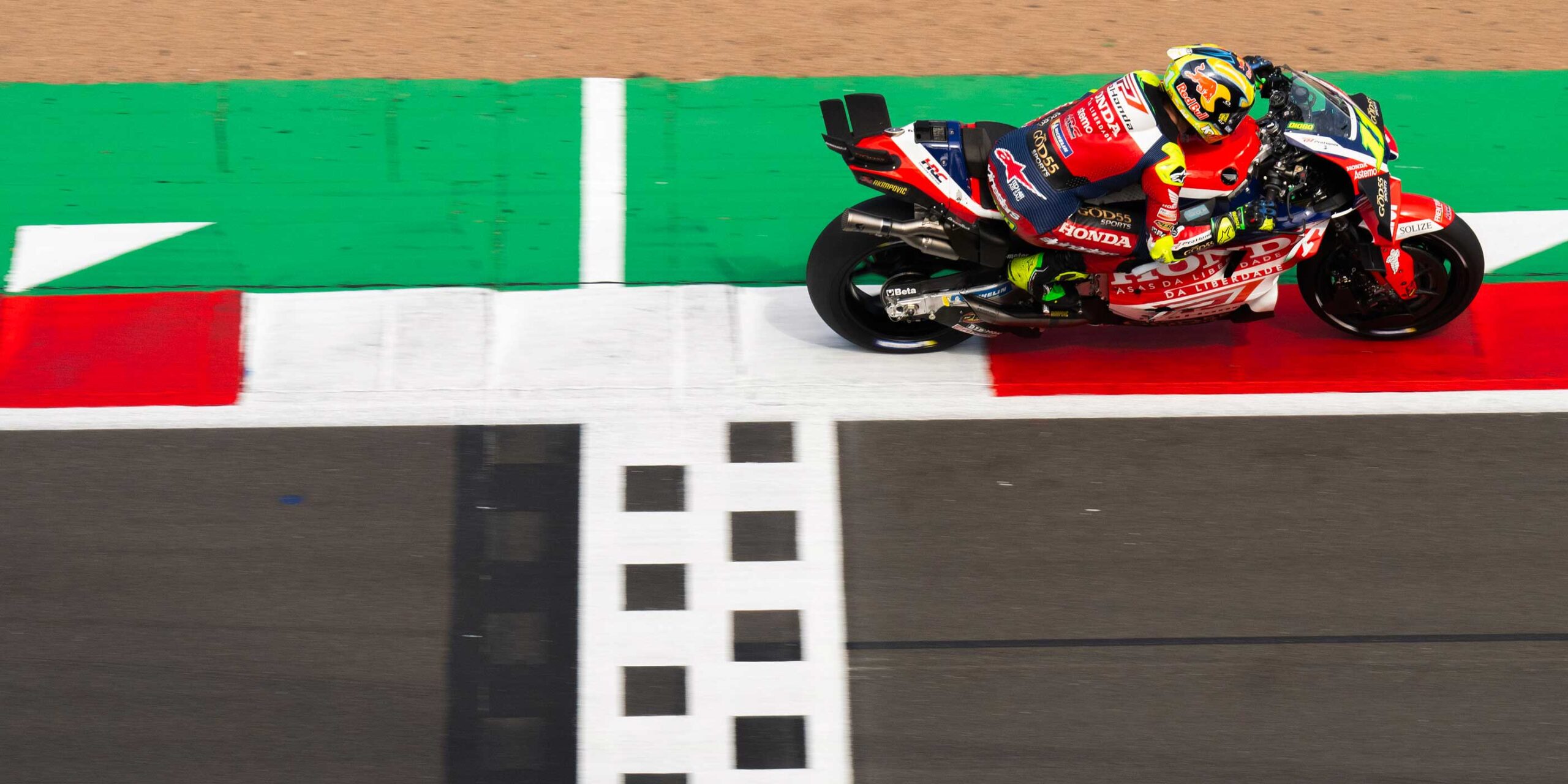
MotoGP evokes authentic passion, adrenaline, accessible technical skill – a more immediate and visceral kind of emotion than F1. The rider is more visible than the machine, the relationship with the audience more direct and loyal. With 632 million global fans in 2025, growing 12% compared to 2024 (source: Dorna Sports / Liberty Media), and extraordinary penetration in Asia-Pacific – Indonesia, India, Japan, Thailand – MotoGP is the ideal channel for brands that want to engage emerging markets with an emotional rather than rational approach.
Superbike (WSBK) occupies a different position: closer to the community, more accessible than MotoGP, with a fanbase composed of long-standing enthusiasts who know every technical detail of the production-derived bikes. Brands that find their place in WSBK communicate competence, craftsmanship, a connection with the real product – qualities valuable to brands that want to convey perceived quality without the distance that overtly premium positioning can create.
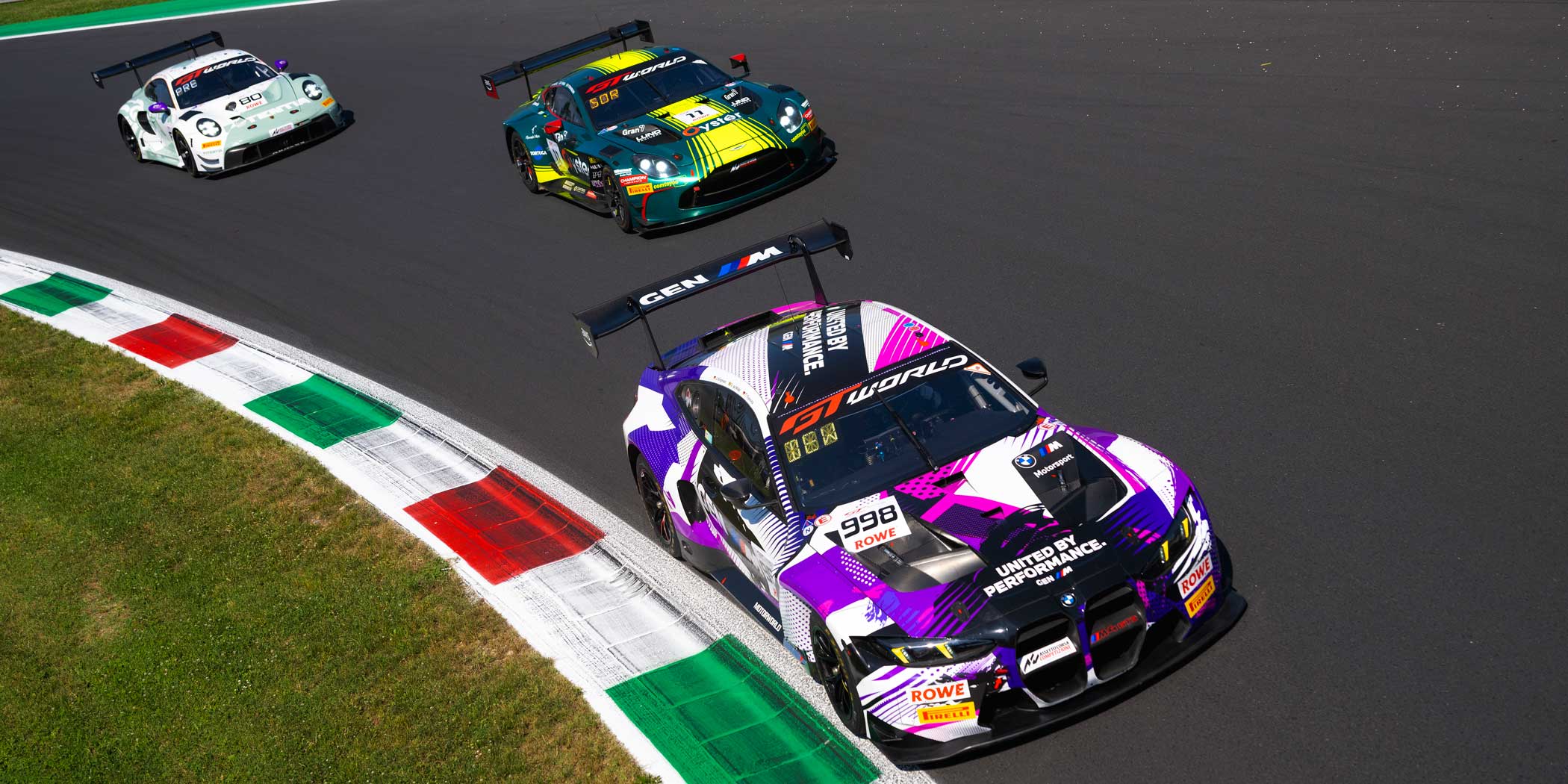
Endurance (WEC / 24 Hours of Le Mans) communicates resistance, reliability, intelligent resource management over a long period. These are perfect corporate metaphors for the insurance, banking, energy sector, or for any brand that wants to associate itself with the idea of longevity and solidity. The fact that Toyota, Porsche, and Ferrari have chosen Le Mans as the testing ground for their brand narrative is not accidental: it is the discipline that rewards those who finish, not just those who start fast.
Value fit precedes budget
The right question is not “which sport has the largest audience?” but “which sport best amplifies what we want to communicate?”.
A fashion or luxury brand that positions itself in a championship with an overly “blue-collar” image risks a dissonance that no activation campaign can correct. Conversely, a B2B brand that wants to humanise its communication and reach a consumer audience can find in MotoGP an emotional access that no LinkedIn banner can guarantee. Value positioning – the choice of discipline – is, in every sense, the first and most important strategic decision in a sports sponsorship plan.
Logo visibility data comes afterwards, serving to optimise rather than to found the choice. Starting from reach to decide which sport to enter is like choosing a flat based on the number of windows before deciding which city you want to live in.
Physical positioning and value positioning: how they work together
Once the right value ecosystem has been identified, physical positioning returns to centre stage – and here planning becomes technical. Clearsight data from recent MotoGP seasons shows that the rider generates approximately 48% of total visibility over a race weekend, compared to 27% for the bike, 13% for the staff, and 7% for the garage. A small but well-placed space on the suit, visible during interviews and press conferences, can be worth more than the large decal on the fairing.
But that visibility gains meaning – and value – only if the starting ecosystem is already correct. A well-positioned logo in the wrong sport is a well-amplified message in the wrong direction. This is something brand managers, agencies, and sports properties can no longer ignore in an era when audiences are more fragmented and attention value more volatile. The choice of discipline is the first act of brand positioning. Everything else – logo, placement, activations, hospitality – is execution.
Frequently asked questions about sports sponsorship and brand positioning
Frequently Asked Questions
Which sport is best suited for a brand that wants to communicate technological innovation?
Formula 1 is the most effective channel for brands linked to tech, engineering, or strategic consulting. F1’s value ecosystem – innovation, precision, excellence – naturally aligns with these positionings. With 826 million global fans in 2024 and partners such as AWS, Oracle, HP, and Google, F1 is the benchmark for those who want to communicate technological leadership on a global scale.
How do you choose the right sporting discipline for a sponsorship?
The choice must start from an analysis of the perceived values associated with each discipline and their compatibility with the brand’s positioning. F1 = innovation and leadership; MotoGP = passion and emotional access; WSBK = technical competence and community; Endurance/Le Mans = reliability and longevity. The guiding question is: does this sport tell the same story we want to tell? Only then should budget, reach, and activations be evaluated.
Is MotoGP suitable for brands that want to reach Asian markets?
Yes. MotoGP has extraordinary penetration in Asia-Pacific – Indonesia, India, Japan, and Thailand are among the most relevant markets – and with 632 million global fans in 2025 (+12% on 2024) it offers emotional access to these audiences that few other motorsport championships can guarantee. For brands looking to build awareness and affinity in emerging markets, MotoGP represents a positioning tool that is difficult to replace.
What is the difference between physical logo positioning and value positioning?
Physical positioning concerns where the logo appears – on the suit, the bike, in the pit – and determines measurable visibility (impressions, share of voice). Value positioning concerns which value ecosystem the brand aligns with, and determines long-term qualitative perception. Value positioning (the choice of sporting discipline) precedes and guides physical positioning (the choice of space on the vehicle or athlete).
Can RTR Sports Marketing help choose the right sponsorship?
Yes. RTR Sports Marketing has been working with brands in top-tier motorsport for over thirty years – Formula 1, MotoGP, WSBK, WEC/Le Mans. Our approach always begins with an analysis of the brand, its objectives, and its target audience, to identify the discipline and sporting project most consistent with the desired positioning. Only then are concrete opportunities evaluated. Contact us for an initial consultation.