

A logo on a racing car can be bought with a signature. A motorsport marketing programme takes a season to build, sometimes two. Almost everything a brand gets, or fails to get, from racing sits between those two things.
Motorsport marketing is the use of championships, teams, drivers and racing events to reach business goals: becoming known in a market, meeting customers, proving a product, selling. Sponsorship is the way in, the contract that grants the rights. Marketing is what you do once the door is open.
- Formula 1 reports 827 million fans in 2025, MotoGP 632 million: figures that only matter if the audience a brand cares about is inside them.
- Five strategies work: hospitality and business meetings, content, product proof, licensing, digital activation.
- The most frequent obstacles are six, and hardly any of them depends on the track: from a budget that ends with the rights to measurement that never happens.
- Media value is useful to compare two packages, not to prove a commercial return.
Why motorsport works for brands
The first reason is scale. According to Formula 1, its fanbase reached 827 million people in 2025: 42% are women and 43% are under 35. MotoGP reports 632 million fans and, according to its research, more than half of its fans and followers are under 35. These are the championships’ own estimates, not independent counts, and they should be read with caution. Even so, they describe an audience younger than people usually assume and, in Formula 1, less male as well.
The second reason is the story. A race already holds everything a story needs: a challenge, a risk, an outcome nobody knows in advance. Then there is technology: on track a product works in conditions no laboratory can reproduce, and a brand that shows up there says something about its own reliability.
The third is the calendar. Formula 1, MotoGP, WEC and the other championships race for most of the year in dozens of countries. Grands Prix are chances to meet customers in different markets, with events that justify the invitation on their own.
None of the three is enough on its own. The size of the audience matters if the brand’s customer is in it. The useful question is not how many people watch the race. It is how many of them could buy.
The five strategies that work
When a motorsport programme pays off, it almost always combines more than one of these five levers. When it disappoints, it usually relies on just one: the logo on television.
1. Hospitality and business meetings
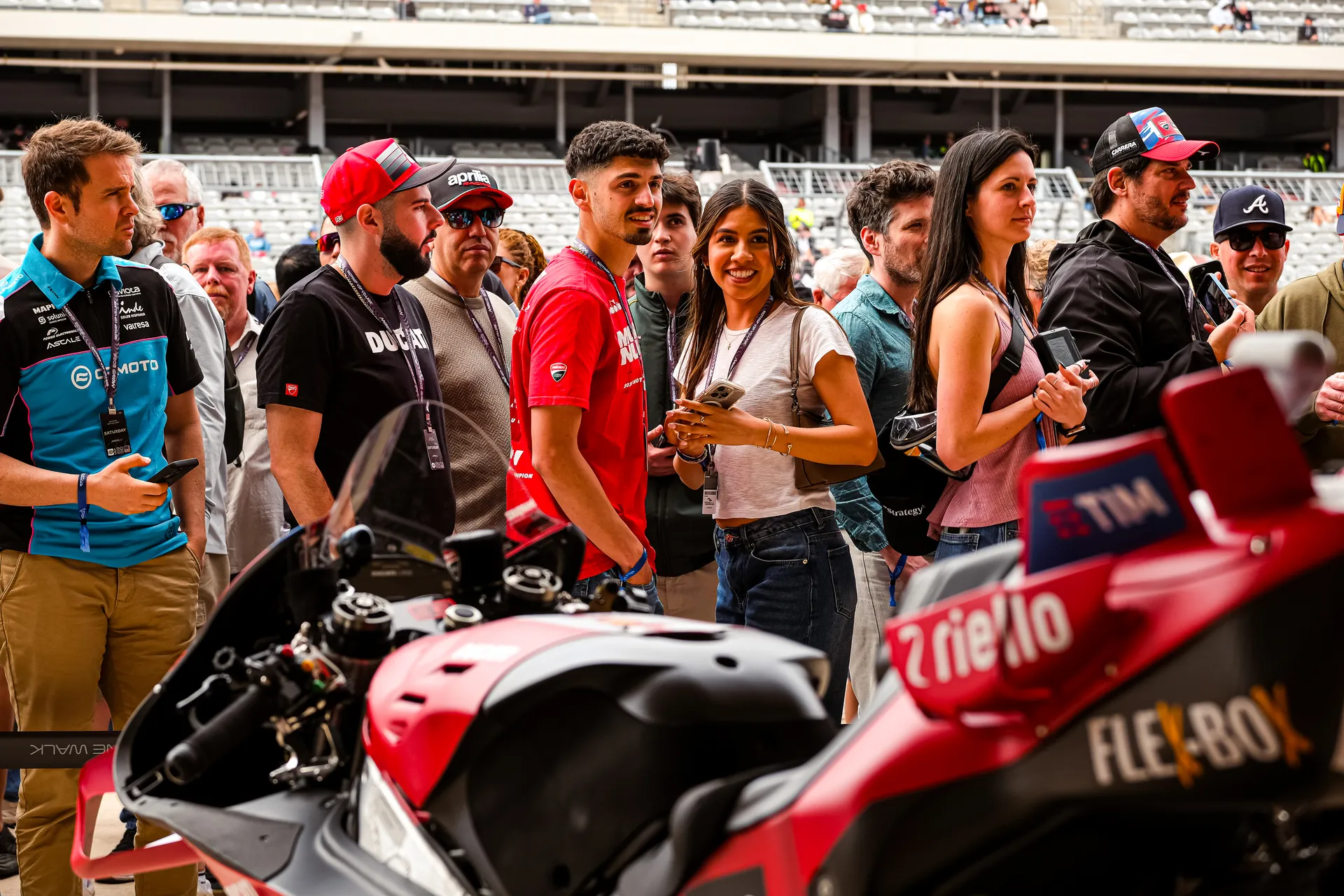
The paddock is a meeting room with an advantage no hotel can offer: people are happy to accept the invitation. A race weekend lets you spend three days with a customer or a distributor, in a setting where conversation starts by itself. For many companies that sell to other companies, this is the lever that pays for the whole investment. We covered it at length in our article on motorsport sponsorship and B2B sales.
2. Content and storytelling
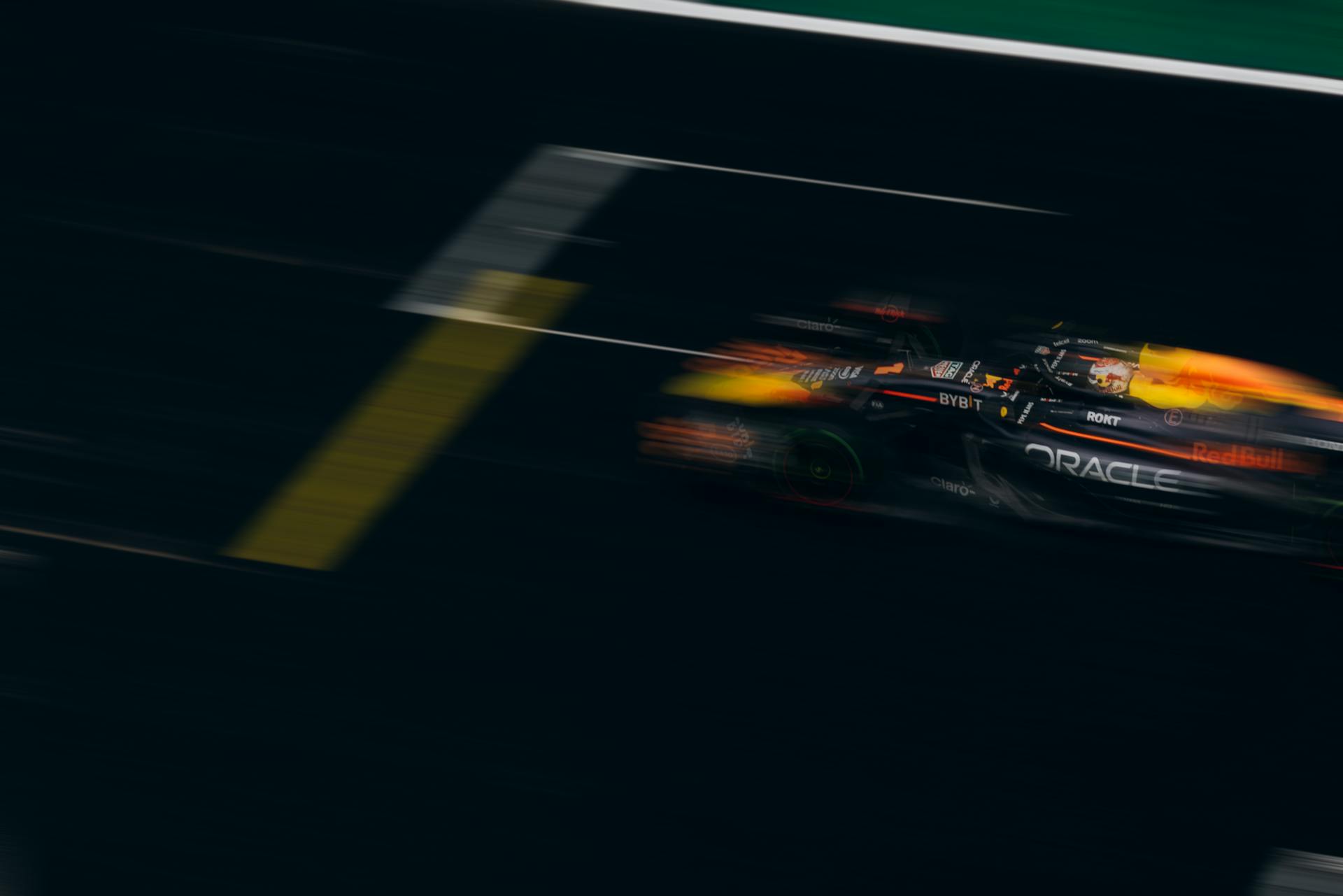
One of the most quoted cases is Red Bull. In 2007 it founded Red Bull Media House, its media company, which turns the racing the brand is part of into films, series and social content: in Formula 1 its two teams, Red Bull Racing and Racing Bulls; in MotoGP the KTM factory team, of which it is the main sponsor. Sponsorship supplies the stories, and the brand tells them through its own channels. You do not need Red Bull’s scale to do the same: behind-the-scenes footage, driver interviews and the engineers’ point of view are material a team makes available to its partners, if the contract provides for it.
3. Product proof
Some brands do not buy visibility: they buy proof. Pirelli has been Formula 1’s sole tyre supplier since 2011 and will remain so until the end of 2028. Every overtake and every pit stop tells the story of a product that is also sold at the local tyre shop. Petronas has been with Mercedes since 2010, not just with its name on the car but with fuels and lubricants developed for the team’s engines. It is the most credible form of technical communication: the product works, and everyone can see it.
4. Licensing and products
A licence lets a brand use the marks and images of a championship or a team on its own products. In September 2024 Formula 1 announced a multi-year deal with the LEGO Group, and in October of the same year another with Mattel for Hot Wheels cars, with products on sale from 2025. At the 2025 Miami Grand Prix, LEGO, together with Formula 1 and the ten teams, paraded the drivers on ten almost full-size cars built from bricks, one per team. That day, the licence became a show. We covered the deal between Hot Wheels and Formula 1 in detail.
5. Digital activation and data
Sponsorship rights give access to images, drivers and moments the brand can use on its own channels: competitions, social content, experiences for the customers of a loyalty programme. The real value lies in the data. Whoever enters a competition linked to a Grand Prix leaves a contact, and that contact becomes a customer to follow up. We gathered more sponsorship activation examples in a separate article.
The most frequent obstacles, and how to clear them
Motorsport marketing has a reputation as an expensive shop window. It often earns it for reasons that have little to do with the track. The obstacles we meet most often are six.
- The budget ends with the rights. The contract buys space and access. Hospitality, content and promotions cost extra. In our experience the activation budget should be at least equal to the rights fee, and it often reaches double. A smaller position, well activated, delivers more than a large one left idle.
- The property chosen for its fame. The most famous championship is not necessarily the right one. A brand that sells in Europe has little to gain from a series that races almost only in the United States, and the other way round.
- Only one audience in mind. The fan in front of the television, the customer invited to the paddock and the employee following the team are three different audiences, with different messages. A programme designed only for the first wastes the other two.
- The context only half known. Regulations, category exclusivity, calendars that change. A drinks brand that signs with a team without knowing that the championship already has an official partner in the same category discovers the limits after signing.
- A single season. The first year is also about learning how to use the rights. The most solid return usually comes from the second.
- Measuring the wrong thing. Media value tells you how many times the logo was seen: it is a useful benchmark to compare two packages, but it says little about commercial impact. What counts is contacts, open negotiations, sales. That is why we explained separately how to really measure the ROI of a sponsorship.
Who motorsport marketing works for, and who should look elsewhere
It works for brands with a story of performance or technology to tell. For companies that sell to other companies and need occasions to meet customers. For those entering new markets who can follow the Grand Prix calendar. For those with the patience to build over at least two seasons.
It works less well for those who only want quick, cheap awareness, for those with nobody in the company to run the programme, for those whose audience motorsport does not reach. In these cases a traditional advertising campaign, or a sponsorship in another sport, may serve better. Saying so up front costs less than finding out later.
How to get started
The first step is not choosing the championship. It is writing down the goals: which markets, which customers, which numbers at the end of the season. From there you choose the property (championship, team, driver or event), then the activation plan and the way to measure, decided together with the contract and not afterwards. Our pages on sponsorship in Formula 1, in MotoGP and in the WEC describe what each championship offers. Before relying on an agency, it is also worth asking it the ten questions that make clear how it works.
RTR Sports has worked in sports sponsorship since 1995, mostly in motorsport. It is worth understanding how our independence is structured: the commission is paid by the sports property, not by the sponsoring brand. The brand pays for the rights and the activation, not for our advice.
Tell us your goals and markets: we will tell you whether it makes sense, and where.
Frequently asked questions about motorsport marketing
What is motorsport marketing?
It is the use of championships, teams, drivers and racing events to reach business goals, such as entering a market, meeting customers or proving a product. It starts with a sponsorship, which grants the rights, and continues with activation: hospitality, content, promotions, licensing and data.
What is the difference between sponsorship and motorsport marketing?
Sponsorship is the contract: it gives a brand the right to associate itself with a championship, a team or a driver. Marketing is the use of those rights to get results. A sponsorship without activation stays a logo; with activation it becomes a programme.
How much does motorsport marketing cost?
It depends on the championship and the level. In Formula 1, according to RTR Sports Marketing’s September 2026 survey, a presence with significant rights and visibility starts at around 2 million dollars a year, and almost all teams ask for at least two seasons. In MotoGP and the other championships the entry budgets are lower. On top of that comes activation, which in our experience should cost at least as much as the rights.
Which brands do motorsport marketing?
Among the best-known cases are Red Bull, which since 2007 has told the story of its racing through Red Bull Media House; Pirelli, Formula 1’s sole tyre supplier since 2011; Petronas, Mercedes’ partner since 2010 with fuels and lubricants; LEGO and Mattel with Hot Wheels, which signed multi-year deals with Formula 1 in 2024, with products on sale from 2025.
How do you measure the return of motorsport marketing?
Starting from the goals set before the season: awareness in the chosen market, business contacts, open negotiations, sales. Media value is useful for comparing two packages, but on its own it does not prove a commercial return.
Does motorsport marketing work for B2B companies too?
Yes, often more than for consumer brands. Paddock hospitality lets you spend three days with customers and distributors, and technical partnerships show a product at work in extreme conditions. For a company that sells to other companies, these are levers that lead directly to new negotiations.