

Every time we enter a negotiation with a new brand, there is a precise moment when the conversation shifts: the marketing manager stops talking about objectives and starts wondering how much it will cost. It’s a legitimate question — necessary, even. But it often starts from a wrong assumption: that there is a single answer, a price list, a fixed order of magnitude to compare against.
The reality is more nuanced, and also more interesting. The budget needed to sponsor a sport is not a number: it’s a map with four very different entry points. We go through them one by one, with real figures.
A logo on a MotoGP fairing: the entry point in top-tier motorsport
MotoGP is the world motorcycle racing championship at the highest level: 22 Grand Prix races, worldwide TV coverage and a global fanbase that MotoGP puts at 632 million (2025). It is also the motorsport segment with the most accessible entry threshold among tier-one disciplines.
A logo placed on the lower fairing or tail section of a bike — an entry-level visibility zone, but still present in every broadcast shot — starts at around €75,000 per season with a satellite team. The same position on a factory team (Ducati, Aprilia, KTM) can cost double or triple. Moving up in level, a logo on the side fairing of a second-tier team ranges between €150,000 and €500,000; dominant positions on competitive teams reach €3–5 million. Title sponsorship — the brand names the team, its livery covers the entire bike — is worth between €6 and €15 million per season.
For a complete guide on every level, with the rights packages included, our analysis on MotoGP sponsorship costs goes into detail for each tier.
Title sponsor of an F1 team: the ultimate platform
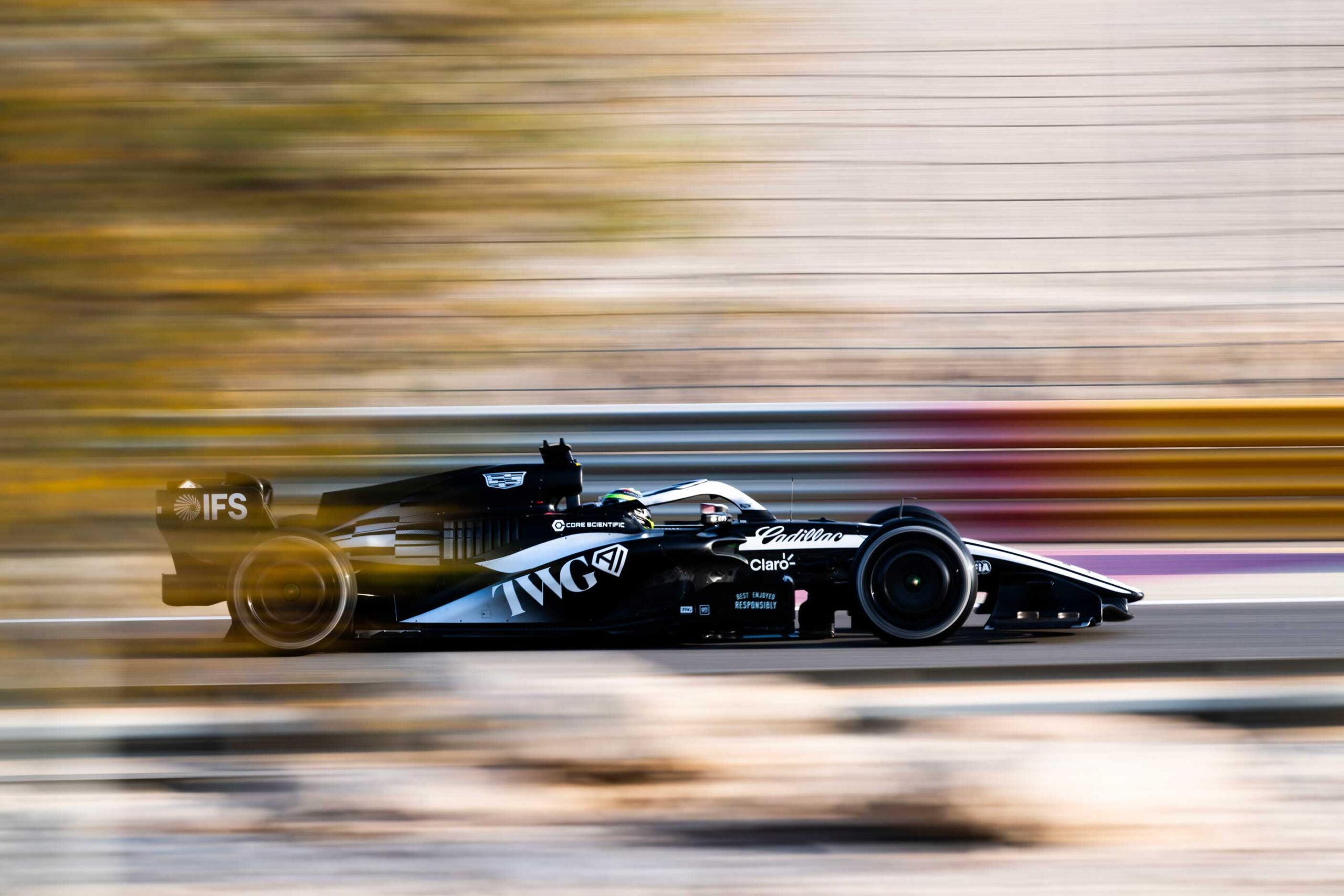
Formula 1 is one of the most valuable sports properties in the world. This is reflected in prices in a non-linear way compared to MotoGP: entry starts at around €500,000 to €1 million for the least exposed positions on a lower-tier team, but the average platform requires much more significant investments.
A main sponsor package with a mid-ranking team ranges between €10 and €30 million per season. Title sponsorship with a competitive team — the brand naming the car, as Petronas did with Mercedes or Oracle with Red Bull — moves in a range of €40 to €100 million per year, with top teams sometimes exceeding this threshold. In return: a calendar of up to 24 Grands Prix (22 in 2026, after the cancellation of Bahrain and Saudi Arabia) and global coverage with no equivalent in motorsport.
The cost differential between F1 and MotoGP is real and structural. For brands targeting absolute reach in the most mature markets, F1 makes sense. For those seeking cost efficiency per impression and depth of engagement in European, Asian and Latin American markets, MotoGP is structurally more competitive — even by a factor of 3–5 in CPM terms.
Personal athlete sponsorship
Alongside team and championship sponsorship, there is a different market: a direct relationship with a single athlete. A brand can associate its name with a rider, cyclist, tennis player or individual sport athlete through a personal contract — logo on the helmet, on the suit, social media content, appearances, brand ambassador role.
Ranges vary enormously. A second-tier athlete in Moto2 or Moto3, with a good digital profile and a local audience, can be signed for €20,000–€80,000 per season. A satellite MotoGP rider ranges between €100,000 and €500,000 for a package including helmet and suit logo plus image rights. Top-tier riders in the MotoGP grid — those with millions of followers and broadcast coverage amplified by their standings — negotiate personal contracts from €500,000 upwards, often exceeding €1 million. In non-motorsport disciplines, a mid-profile national athlete moves between €15,000 and €150,000 per year; global stars with audiences of tens of millions enter a territory where the benchmark changes category.
The critical point in this model is always the same: the value of an athlete as a brand partner does not coincide with their sports ranking. What matters is the digital audience, profile credibility, alignment with brand values and — something often underestimated — the athlete’s ability to generate activatable content.
A hospitality package in MotoGP or F1
Hospitality is the most underestimated part of the sponsorship budget, and also the one with the most direct return in B2B terms. Bringing strategic clients into the paddock of a Grand Prix — hospitality, pit lane access, dinner with the riders — generates conversions that no display campaign can replicate.
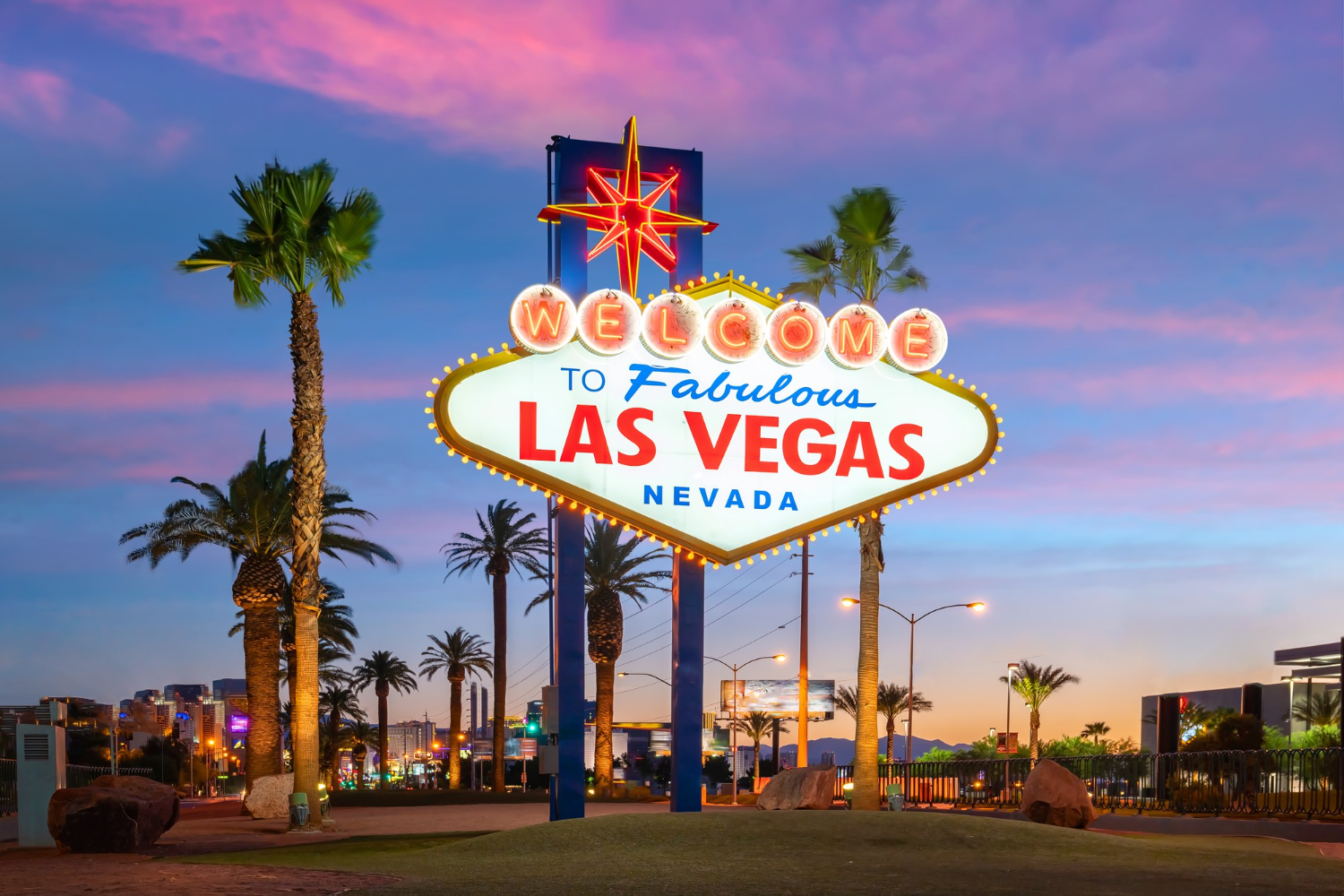
In MotoGP, a day in a circuit-run hospitality lounge costs around €1,000 per person, while the official MotoGP VIP Village ranges from about €2,000 to €3,700 per person per weekend in 2026 (up to around €5,000 for the premium tiers), depending on the Grand Prix and the level of access. In Formula 1, the Paddock Club — the official FOM product — is sold mainly as three-day packages, starting at around €5,000–7,000 per person at the less expensive circuits and exceeding $10,000 per weekend at the Miami or Las Vegas Grand Prix. Many brands include hospitality costs in the overall sponsorship budget, or consider them as a separate line item in a broader activation plan.
Budget comes after objectives, not before
There is a methodological error we see often: the brand enters negotiations with a figure in mind and works backwards to find an opportunity that fits within it. The result is almost always disappointing — they find exposure that doesn’t speak to their audience, or a package tailored to the budget rather than to the objectives.
The correct process is the reverse: start from marketing objectives (brand awareness, B2B leads, entering a new market, association with a specific value), identify the most coherent sports platform, and only then build the necessary budget — with the flexibility to understand where an efficient opportunity can be found and where, instead, cutting spending compresses value to the point of making the investment worthless.
This logic applies at all levels: from a logo on a Moto2 fairing to title sponsorship in F1. The good news is that opportunities exist at every investment level — the condition is having clear objectives before signing, not after.
Frequently asked questions about the budget to sponsor a sport
What is the minimum budget to sponsor a top-tier sport?
How much does it cost to be the title sponsor of an F1 team?
How much does a logo on a MotoGP fairing cost?
Is it worth investing in sports hospitality for a B2B company?
Do you need a large budget to achieve real returns from sports sponsorship?
Updated October 2026.