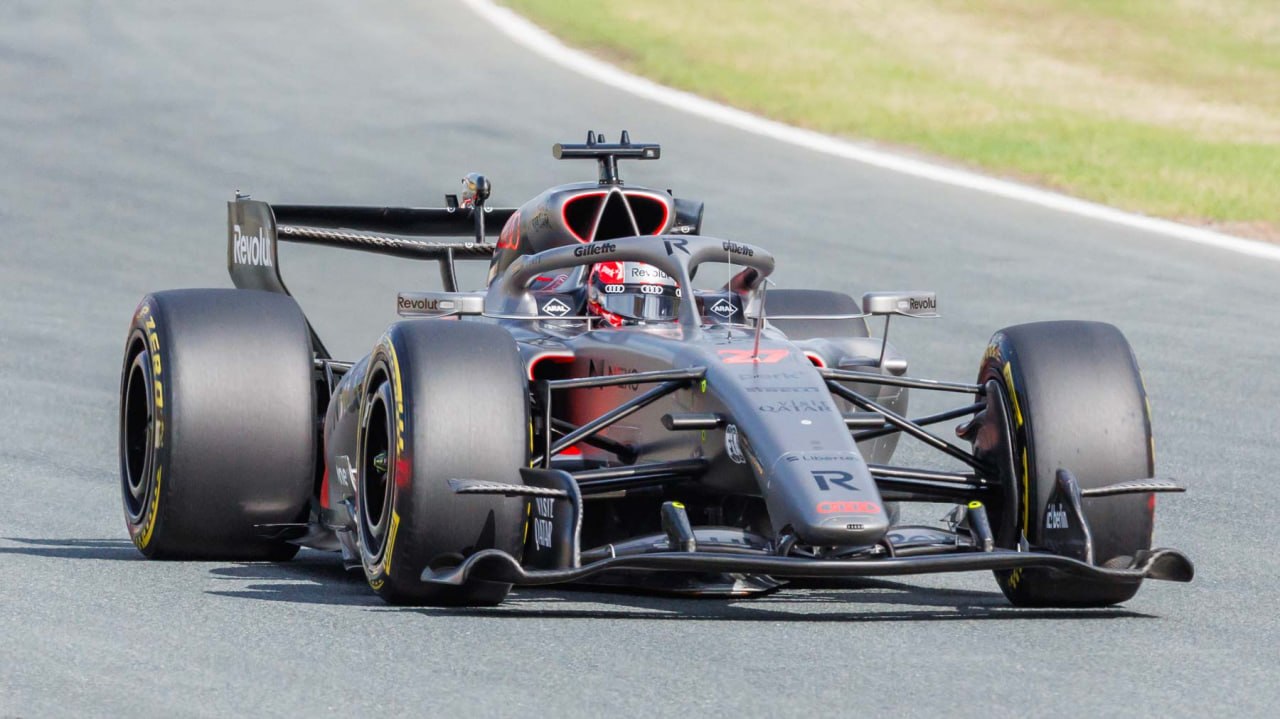
In 2021 Haas lined up for the start of the Formula 1 World Championship with a white, blue and red car, the colours of the Russian flag, and with a rookie at the wheel, Nikita Mazepin. The team’s title sponsor was Uralkali, a Russian fertiliser company part-owned by the driver’s father, Dmitry Mazepin. On 5 March 2022, after the invasion of Ukraine, the team ended both the driver’s contract and the sponsor’s with immediate effect. This story contains almost everything you need to know about athlete sponsorship in motorsport: why it exists, how much it weighs and how much it can cost when it goes wrong.
In sport in general, a brand sponsors an athlete to get a face: a recognisable person who lends credibility to a product and speaks to an audience that follows them. In motorsport there is something more. Racing is expensive, and many drivers get where they are partly thanks to the sponsors they brought with them.
- A brand sponsors an athlete to get a face, a story and an audience that is already loyal.
- In motorsport a personal sponsor often helps a driver pay for a career, sometimes for the seat itself.
- The personal space par excellence is the helmet: it follows the driver, not the team.
- The biggest risk is tying the brand to one person: results, reputation and contracts can change quickly.
What a brand is buying
Sponsoring an athlete means buying a relationship with a person, not with a team or an event. The contract usually includes use of their image, the logo on clothing or equipment, a number of appearances and content for the brand’s channels. The value lies in the fact that an athlete’s audience is attached to them even before it is attached to the sport: when a driver talks about a product, they do it in a voice their fans recognise. We covered this when we wrote about how athletes have become real celebrities.
In motorsport the sponsor puts the driver on track
Here athlete sponsorship has a function that is rarer in other sports: making the career possible. From the first karting races to the junior formulae every season costs money, and part of those costs is covered by personal sponsors, families and companies that believe in the driver. Higher up, some teams choose a driver partly for the budget they bring. The Mazepin case is one of the best known of recent years: driver and title sponsor had arrived together, and together they left. For the sponsor it meant having its name in the team’s own, Uralkali Haas F1 Team; for the team, a dependence that became a problem overnight.
The helmet, the most personal space
On a single-seater the best space belongs to the team. The helmet, on the other hand, belongs mainly to the driver: it is the item on which they have the most freedom of expression, it appears in the tightest shots and it follows them even when they change team. Since 2020 the Formula 1 rules no longer require drivers to use the same design all season, and many drivers wear special helmets for individual races: that is why it is worth setting out in the contract where the sponsor’s logo appears on every version of the helmet. The space still has to be agreed with the team and its partners. We explained separately how helmet sponsorship works in Formula 1.
Investing before the results arrive
Some brands sponsor a driver once they are already famous, others do it earlier. Red Bull built an entire programme on this idea: the Red Bull Junior Team, founded in 2001, funds and supports young drivers from karting to the junior formulae. Sebastian Vettel, backed by Red Bull since 1998, when he was still racing karts, became in 2010 the first driver from the programme to win the Formula 1 World Championship. For a brand it is a long-term bet: it costs less at the start and, if the driver makes it to the top, the brand was there from day one.
The risks of tying yourself to one person
An athlete can lose their seat, change team, retire, get injured or end up in a controversy. The brand tied to them shares their fortunes, for better and for worse. That is why individual sponsorship contracts include clauses on image, duration and the cases in which either side can walk away. The Haas case shows that sometimes the risk does not even depend on the athlete: the events around them are enough.
How to choose the right driver
The question to ask is not which driver is the most famous, but which one speaks to the audience the brand wants to reach, in the markets that matter. A young driver from a country where the company wants to grow can be worth more than a champion with a distant audience. Then come personality, willingness to do activities with the brand, and the fit between what the driver stands for and what the brand sells: an individual sponsorship works when the two stories resemble each other. If you need a benchmark for costs in Formula 1, you will find one on our page about Formula 1 sponsorship.
Tell us your objectives and markets: we will help you work out whether to sponsor a driver, a team or a championship.
Frequently asked questions about athlete sponsorship
Why do athletes get sponsored?
Because a brand is looking for a recognisable face that lends credibility to its products and speaks to an audience that is already loyal. In return the athlete gets the resources to compete: in motorsport it is often the sponsors who make a driver’s career possible.
What does a sponsor get from an athlete?
Usually the use of their image, the logo on clothing and equipment, a number of appearances and content for its own channels. The value depends on how far the athlete’s audience overlaps with the one the brand wants to reach.
Do drivers pay to race?
Sometimes, yes: in many categories a driver brings sponsors who cover part of the team’s costs. It happens in Formula 1 too, as in the case of Nikita Mazepin and title sponsor Uralkali at Haas in 2021.
Where does a driver's personal sponsor go?
Mainly on the helmet, which follows the driver and not the team, and on caps and clothing outside the team kit. The space always has to be agreed with the team and its partners.
What is the Red Bull Junior Team?
It is the programme through which Red Bull, since 2001, has funded and supported young drivers from karting to the junior formulae. In 2010 Sebastian Vettel became the first driver from the programme to win the Formula 1 World Championship.
Is it better to sponsor a driver or a team?
It depends on the objectives. A driver ties the brand to a face and a personal audience; a team offers more space, more continuity and fewer risks tied to a single person. The two are often combined.