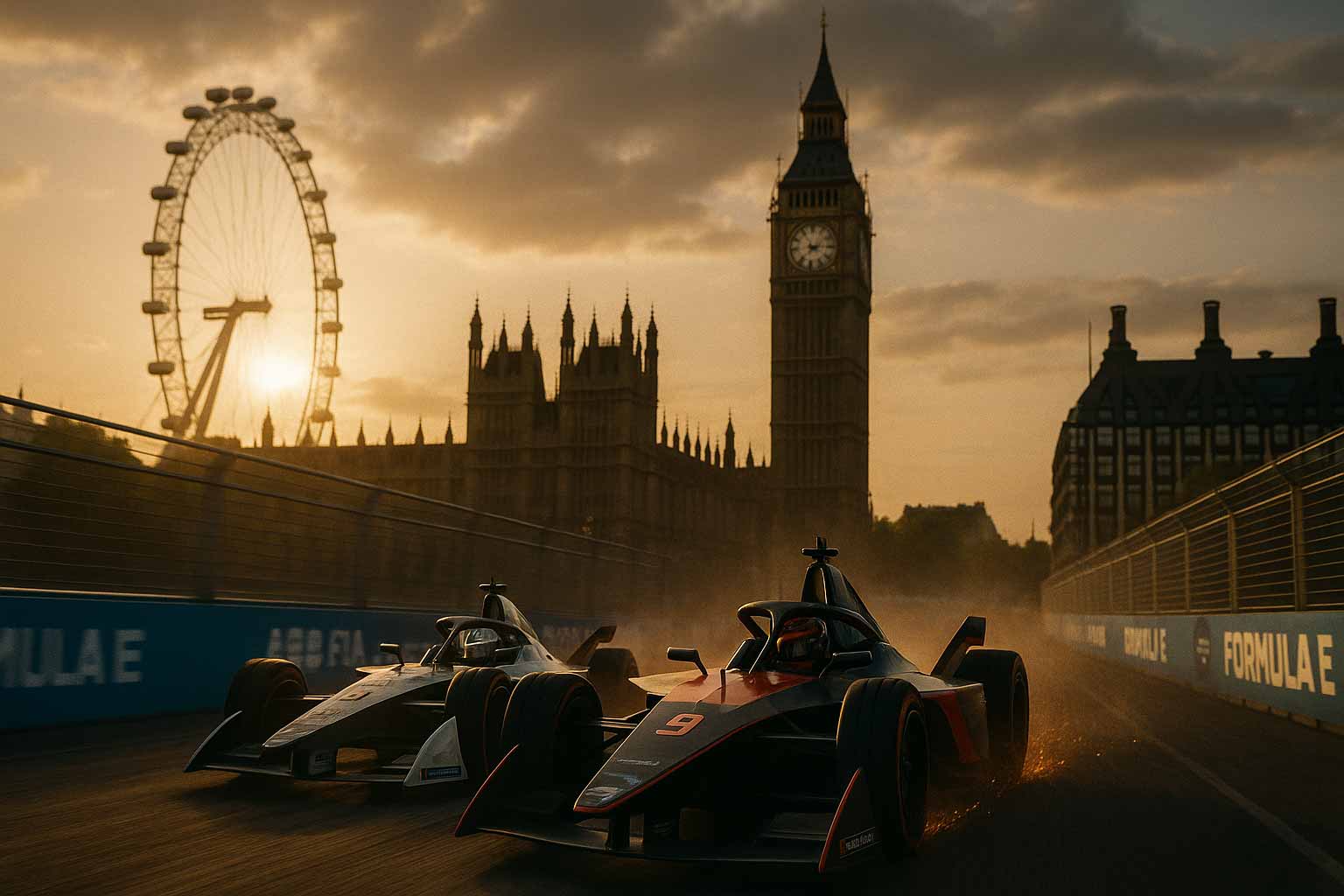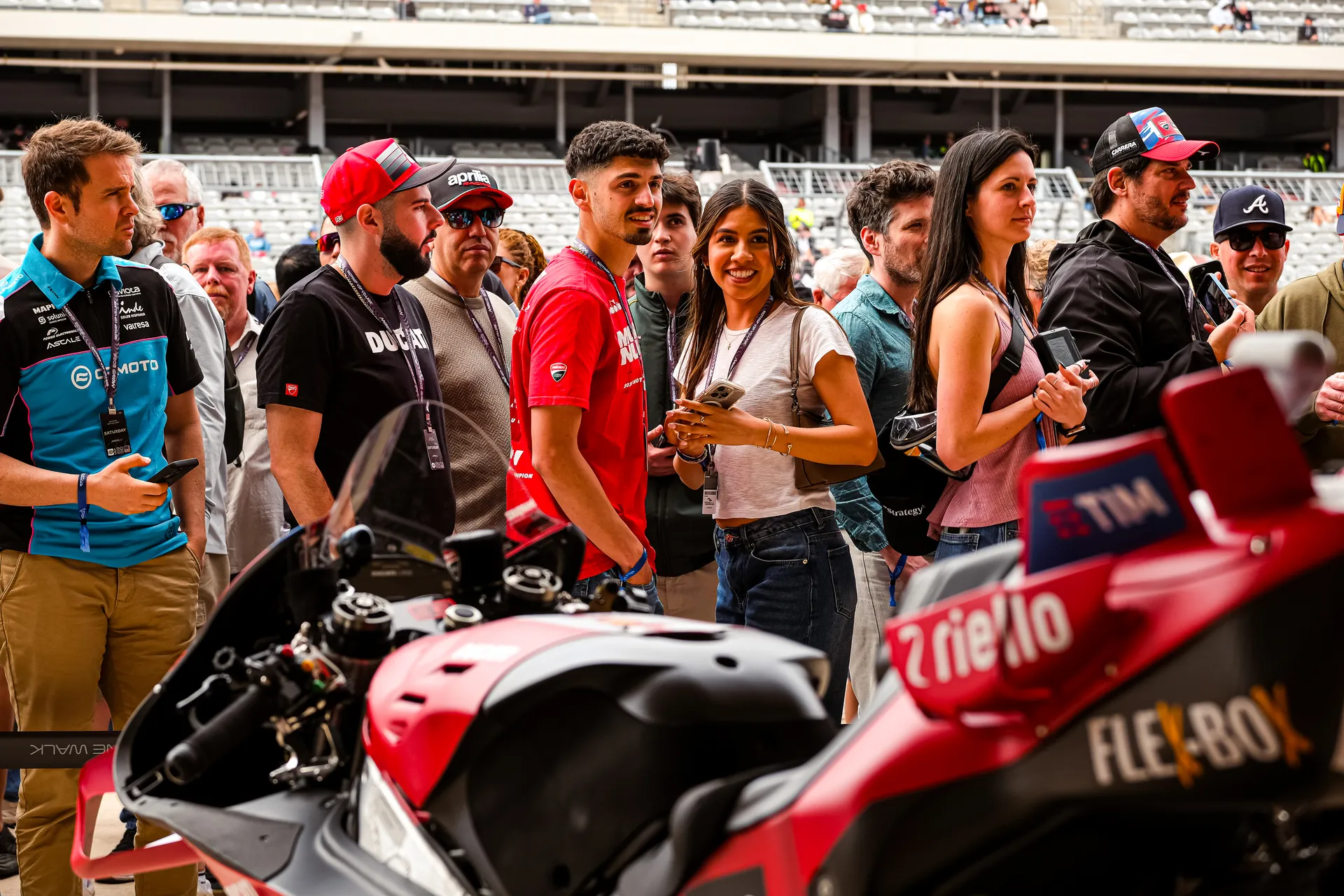


In 1968 Colin Chapman’s Lotus cars line up in the Formula 1 World Championship painted red, white and gold, the colours of Gold Leaf cigarettes. Until that year the single-seaters had raced in the colours of their nations: British green, Italian red, French blue. From that season on, the car stops being only a car and becomes a message as well, one that somebody has paid for so that the public will see it every Sunday.
That is the place to start when talking about sports communication, which is to say everything a brand tells people through sport. It is the colours the brand chooses, the stories it decides to tell, the content it produces before and after a race. A sponsorship buys a space. Communication decides what to do with it, and how long that story will stay in the memory of those watching.
Sports marketing and sports communication, two terms often confused
The two terms are often used interchangeably, and they are not quite the same thing. Sports marketing is the set of choices through which a company uses sport to reach its commercial objectives: which sport, which team, which audience, and with what budget. Sports communication is the part of those choices that can be seen and heard: the voice in which the brand speaks, the places where it does so, the stories it chooses.
Sponsorship sits in between. It is a marketing tool, like advertising or public relations, but it becomes communication only at the moment somebody tells its story. A logo on a motorcycle fairing, with no story around it, remains what we call in our line of work an empty sticker. How it gets filled, that is to say how the rights a brand has bought are turned into concrete activities, is something we explain in our article on sports sponsorship activation.
A season is a story told in instalments
Few products have a calendar like the one motorsport has at its disposal. The 2026 MotoGP calendar has twenty-two Grands Prix scheduled, from late February to late November, and every weekend brings with it a build-up, a race and a day after. The youngster who takes on the champion, the historic team that returns to winning ways, the comeback in the rain: these are plots the public already knows and gladly follows, one episode after another.
Formula 1 understood this before others did. Since 2019 the Netflix series Drive to Survive has presented the championship as a cast of characters more than as a sequence of races. In doing so it has helped to bring a new audience to Formula 1, in the United States in particular. For a brand that is part of that story the difference is no small matter: attention stays switched on for as long as the story lasts, well past Sunday afternoon.
The livery is the first message
Before the words even arrive, sports communication travels through colours. A livery, a helmet, a rider’s or a driver’s race suit are the most immediate points of contact between the brand and the viewer, and often the ones that stay longest in the memory. It is no coincidence that some colour combinations have become, over the years, more recognisable than the cars they were painted on.
Sometimes the brand even makes its way into the name of the team. Since 2022 the Milton Keynes outfit has been called Oracle Red Bull Racing. The sponsor’s name appears every time the team’s official name turns up in the standings, in a television graphic or in a press release. It is one of the most direct forms of sports communication, and usually one of the most expensive as well. It works, though, only if the rest of the story lives up to the name.
What happens after the race
The least visible part of sports communication comes once the race is over. The images of a victory return in the end-of-season reviews, on anniversaries, in documentaries, on the social media accounts of those who lived through them. It is what we have called in another article the helix effect, the visibility that the media keep generating for a sponsor even after the contract has come to an end.
For this to happen, however, the brand has to be there at the right moment and has to hold the right to tell the story. The first depends partly on luck. The second depends on how the contract is written and on how ready the brand is to produce content of its own, without waiting for others to do it.
What a brand needs to communicate through sport
In our view it takes three things, in this order. A story consistent with what the brand is and what it sells, because in our experience sports audiences are quick to spot a forced association. The rights to tell it, meaning images, riders and drivers, and access to what goes on behind the scenes, written into the contract before signing. And somebody who follows it for the whole season, race after race, instead of noticing it at the end of the year.
That is the work a sports marketing and communication agency does: lining up these three elements and holding them together. We have described in more detail what such an agency does, and when it is worth having one, in our article on the sports sponsorship agency. Strategies and examples for motorsport are in our guide to motorsport marketing. Anyone weighing up a specific championship will find how we work in our pages on MotoGP sponsorship and Formula 1 sponsorship.
A story that continues
From 1968 to today the single-seater has changed in almost every detail, but the idea that turned it into a means of communication has remained the same. Whoever watches a race is also watching those who make it possible. What changes is the number of places that story can reach, and the speed at which it gets there. Which story to tell, and in which voice, remains a decision that no calendar can take on the brand’s behalf.
Frequently asked questions about sports communication
What is sports communication?
Sports communication is everything a brand tells people through sport: the colours it presents itself in, the stories it chooses, the content it produces before and after a race, its relations with the media. If sponsorship buys a space, communication decides what to do with it and how long the story will stay in the public’s memory.
What is the difference between sports marketing and sports communication?
Sports marketing is the set of choices through which a company uses sport to reach its commercial objectives: the sport, the team, the audience and the budget. Sports communication is the part of those choices that can be seen and heard, which means the voice of the brand, the places where it speaks and the stories it tells.
What is sports storytelling?
Sports storytelling is a brand’s story built on the stories that sport produces on its own: the youngster who takes on the champion, the team that returns to winning ways, the comeback in the rain. In motorsport the long calendar, with races almost every two weeks for much of the year, makes it possible to tell them in instalments.
How do you build a sports communication strategy?
In our view it takes a story consistent with what the brand is and what it sells, the rights to tell it written into the contract before signing, and somebody who follows it for the whole season. Without any one of these three elements, a presence in sport remains a logo with no story.
Why does motorsport work for brand communication?
Because it brings together a long calendar, the strong visual identity of liveries, helmets and race suits, and a story that carries on after the race, in the season reviews, on anniversaries and on social media. The 2026 MotoGP calendar, for example, has twenty-two Grands Prix scheduled from late February to late November.
What does a sports marketing and communication agency do?
It helps a brand to choose where to be present in sport, to negotiate the rights it needs to tell that story and to build the story for the whole duration of the sponsorship, from content to hospitality. It usually works on both the commercial side and the communication side, because in sport the two are hard to separate.