Competing in the global market is increasingly difficult. Companies, especially mid-sized ones, are under growing pressure: low-cost production delocalization has forced many out of business, consolidation has claimed its victims, and “boutique” operations are fighting to survive. In this landscape, sports licensing is an often underestimated yet extraordinarily effective tool for differentiating your offer and boosting sales.
Sports licensing: a $356 billion market
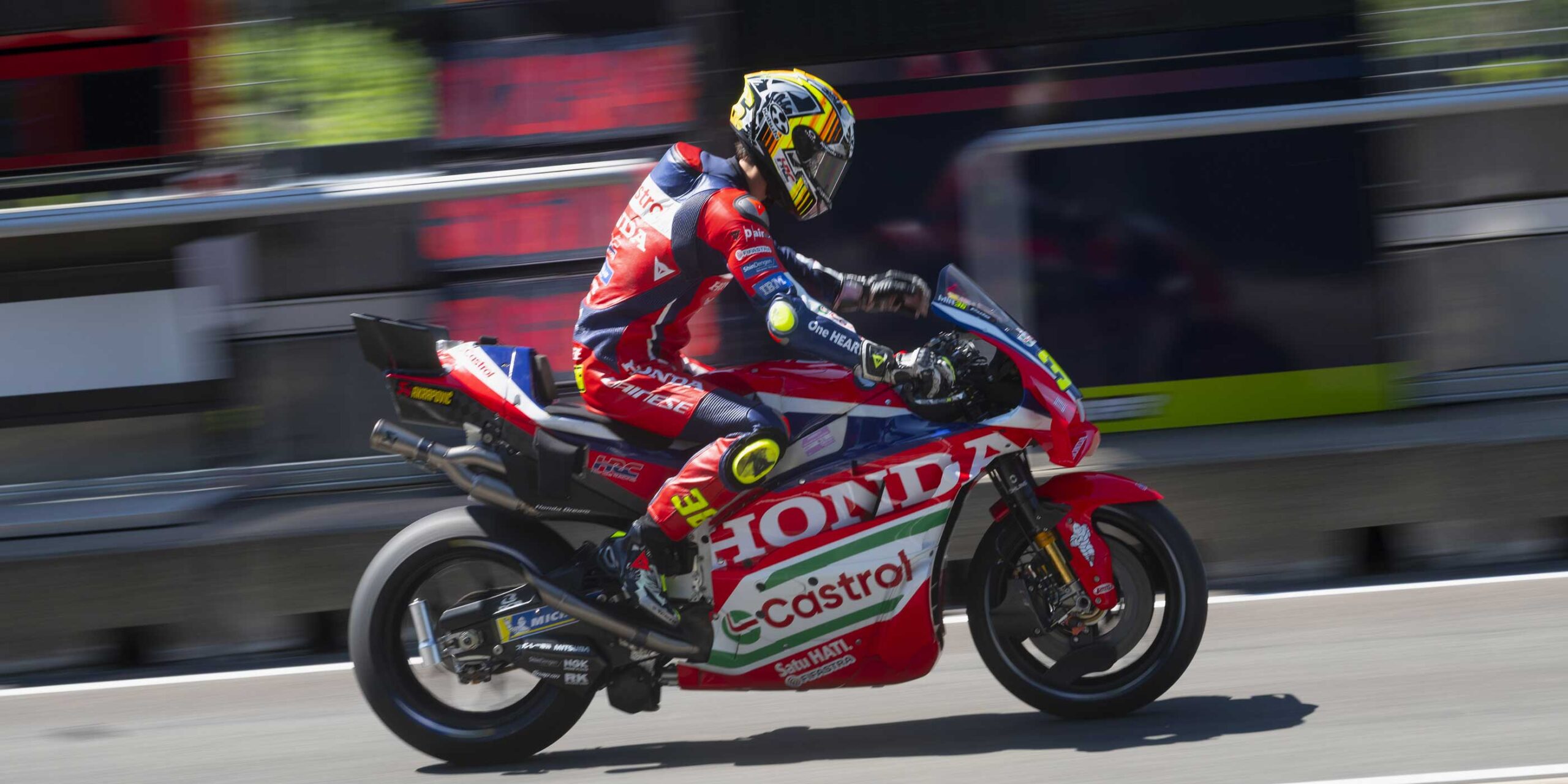
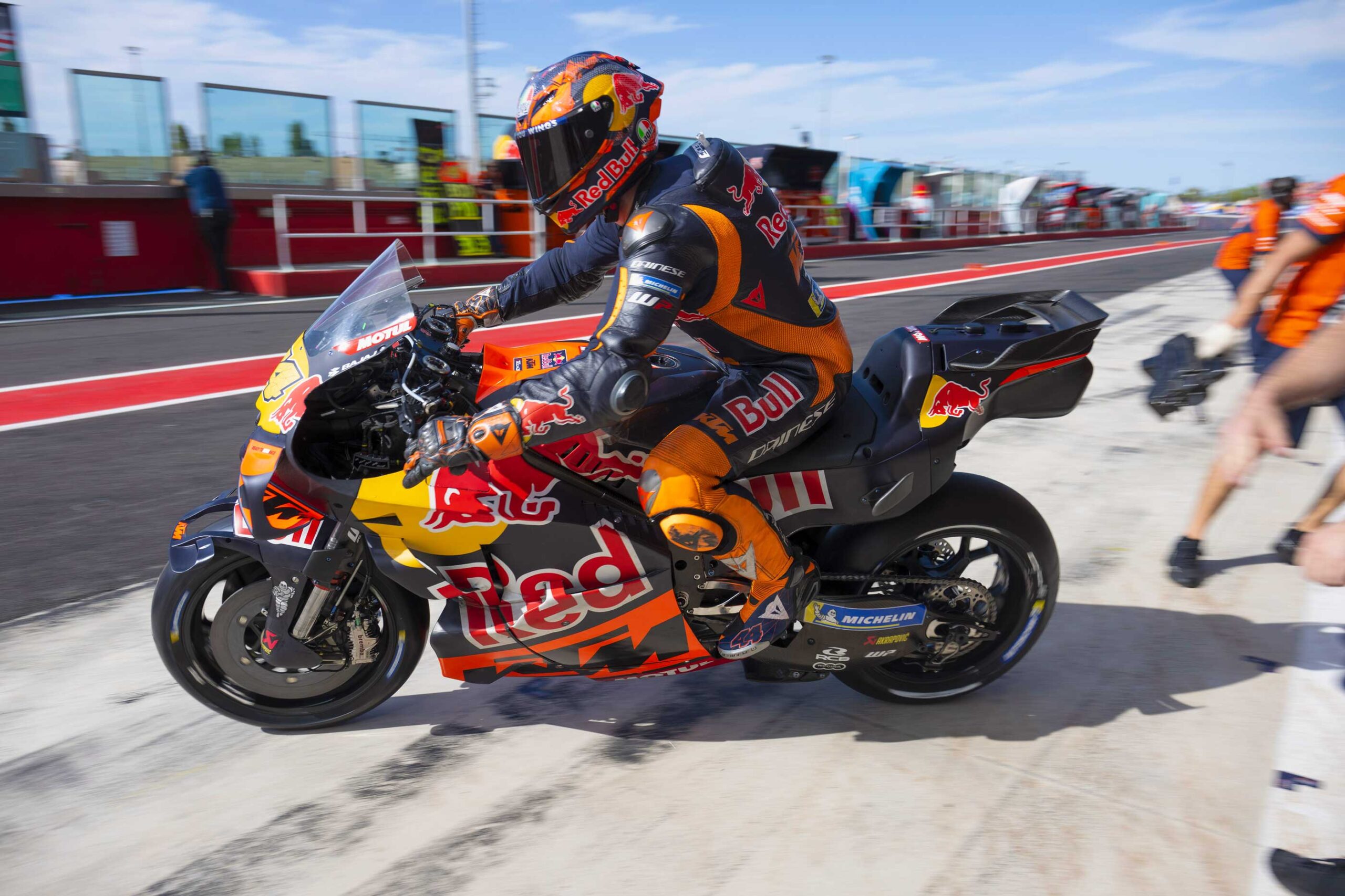
According to the Licensing International Global Licensing Survey 2024, the global licensing market reached $356 billion in 2023. Sports licensing is one of the most dynamic categories in this ecosystem, with brands like Manchester City, Ferrari, Valentino Rossi and the NBA generating enormous volumes through licensing agreements on apparel, accessories, consumer electronics, fragrances and more.
Sports licensing provides your company with the possibility of using a famous team’s logo, name or imagery on your products, increasing their appeal among fans – and more broadly, among any audience emotionally engaged with sport.
Licensing works on the emotional part of the buying decision
Linking a product to a sports brand can fundamentally alter how that product is perceived. Buying motives for any good or service are complex. According to the business dictionary, they can be defined as “the combination of facts and the emotional state of a person that generates a feeling within them that they need to purchase an item, as well as the factors that influence their eventual choice of a particular product.”
If you are a Manchester City fan, you will happily pay £10 for a branded mug – even though the same capacity and quality mug would cost you a couple of pounds at Tesco. The object becomes a badge of belonging, an extension of your passion, a way to show the world who you are. Licensing taps exactly into this mechanism, adding a layer of meaning that goes well beyond the physical product.
How can a company use licensing to its advantage?
Sports licensing, when properly structured, delivers concrete advantages on multiple fronts:
Higher margins. Licensing allows you to position your products in the premium segment, raising the perceived price and, consequently, your overall margin.
Powerful storytelling. The sports brand you work with brings a personality, a heritage and clearly defined values that you can leverage to build an authentic and engaging brand narrative.
New customers. The license opens access to a fan audience you would not have reached otherwise, enabling targeted marketing campaigns – online or offline, local or global.
How much does sports licensing cost?
Any licensing project is generally made up of two components: the minimum guaranteed and a variable royalty on sales. The minimum guaranteed works as an “insurance policy” required by the rights holder – it demonstrates that the licensee genuinely intends to exploit the rights acquired. It typically covers legal expenses and the time invested in preparing the agreement.
The variable part is proportional to results: the more you sell, the more you pay. Which means, paradoxically, you should hope your licensing project turns out “expensive” on the royalty side – because it means sales are going extremely well.
Which sport should you choose?
It depends on your product, your target audience and the objective you want to achieve. If you want to break into a new demographic segment, choosing a sport that does not already match your current customer base might be the bold move. If you want to reinforce existing loyalty, going with a sport your consumers already love is the safer bet.
Also consider the brand’s geographic reach: a global sport like Formula 1 or football opens markets worldwide, while niche disciplines can be more effective for local or vertical strategies.
Better a person or a team?
Generally speaking, athletes come and go; teams stay. If your strategy is tactical and short-term, a winning testimonial can do wonders in terms of visibility and conversion. If your time horizon is medium to long term, a team offers greater continuity and brand stability.
Exceptions exist, of course: figures like Federer, Michael Jordan or Valentino Rossi hold a cultural relevance that transcends their sporting careers, delivering a strong return on investment long after retirement.
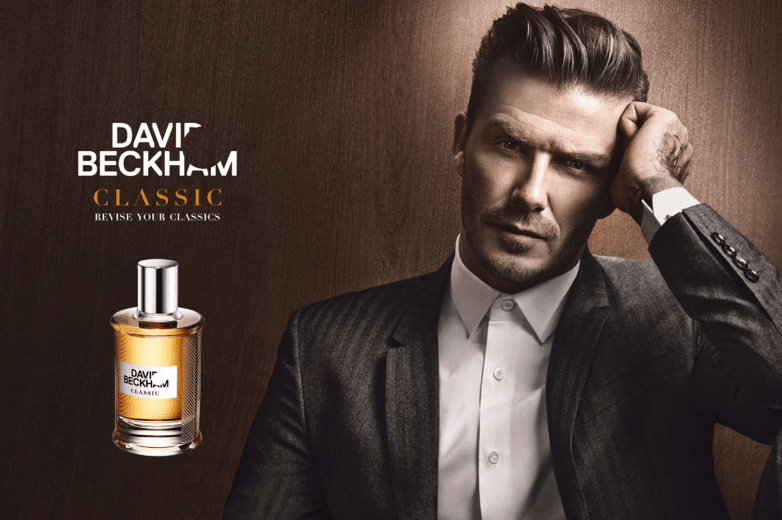
Some examples of sports licensing
Sports licenses apply to virtually every product category. Here are some practical examples:
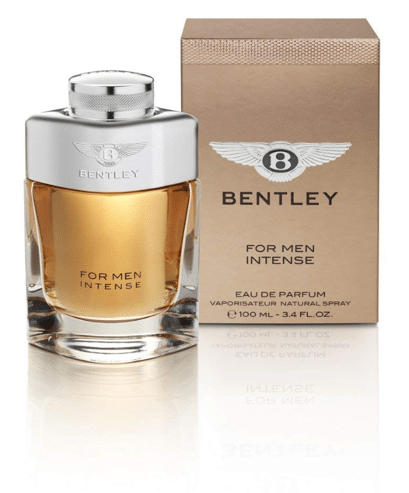
Fragrances and perfumes: high-profile sports testimonials have long dominated this space. Major automotive brands and iconic footballers are already deeply embedded in the fragrance segment.
Fashion and apparel: the options are multiple, from official replica kits for a team to entering a sport’s lifestyle world and leveraging its aesthetic heritage.
Consumer electronics: if your product is technology-driven, a high-tech sport such as Formula 1 or the Americas Cup can amplify your credibility. A testimonial works equally well. For a concrete example of sports licensing in the electronics space, see the Valentino Rossi and Packard Bell case study.
Ready to explore licensing opportunities for your brand? RTR Sports Marketing has been structuring sports licensing deals for over 30 years. Explore our brand licensing service or reach us at info@rtrsports.com.
PS: all brands and images used in this article are for illustrative purposes only.
Frequently asked questions on sports licensing
Frequently Asked Questions
What is sports licensing?
Sports licensing is a commercial agreement in which a company acquires the right to use a team’s or athlete’s brand, logo, name or image on its own products. In return, the licensee pays a minimum guarantee and a royalty on sales generated. It combines the emotional power of sport with consumer goods commercialization.
How big is the global sports licensing market?
According to the Licensing International Global Licensing Survey 2024, the global licensing market reached $356 billion in 2023. Sports and entertainment licensing are among the most dynamic and fast-growing categories within this ecosystem.
How much does it cost to get a sports license?
The cost of a sports license consists of two components: a minimum guaranteed (a fixed sum covering legal and preparatory costs) and a variable royalty calculated on actual sales. The amounts depend on the brand’s notoriety, the product category and the planned geographic distribution. The more sales grow, the higher the variable portion becomes.
How do you choose the right sport for a licensing deal?
The choice depends on the product, the target audience and the strategic objective. A global sport like Formula 1 or football opens international markets; niche disciplines enable a more precise vertical positioning. It is essential that the values of the sports brand align coherently with those of the company acquiring the license.
Is it better to license an athlete or a team?
It depends on the time horizon. An athlete in top form delivers strong immediate visibility, but the license is tied to their career. A team provides greater continuity over the medium to long term. Exceptions exist: figures like Valentino Rossi or Michael Jordan retain exceptionally high commercial value even after retirement, thanks to their lasting cultural relevance.