It is 12 December 2022, and in the City of London, a stone’s throw from the dome of St Paul’s, a venue opens whose name on the sign nobody would have imagined a few years earlier. Inside there are sixty full-motion driving simulators, a bar, tables, and the colours and circuits of Formula 1. It is called F1 Arcade, and it is the first official venue licensed by the championship.
Just over a year later, on 6 February 2024, F1 Drive opens beneath the South Stand of Tottenham Hotspur Stadium: electric karting tracks inside a football stadium, with layouts inspired by world championship circuits. They are two very different places, but they answer the same question, the one at the heart of F1 fan engagement today: what does Formula 1 do on a Tuesday?
Formula 1 on a weekday
Formula 1 lives on weekends. The 2026 calendar has 23 Grands Prix: for a fan, the rest of the year is waiting. For a sport that in recent years has won over a new audience, much younger and far less used to waiting, that gap is a problem, and at the same time an opportunity.
Let’s call it weekday Formula 1: the set of experiences that bring the championship into fans’ lives while the cars are standing still. It does not replace the race, it extends it. Above all, it changes the nature of the relationship: from watching to doing, from the sofa to the steering wheel, even if it is a simulator’s.
F1 Arcade, the paddock around the corner
In February 2022 Formula 1 signed an exclusive, long-term global licence with Kindred Concepts, the company of British entrepreneur Adam Breeden, with the aim of opening up to thirty venues around the world within five years. The first was London; Birmingham followed on 21 November 2023, then the move into the United States, starting with Boston.
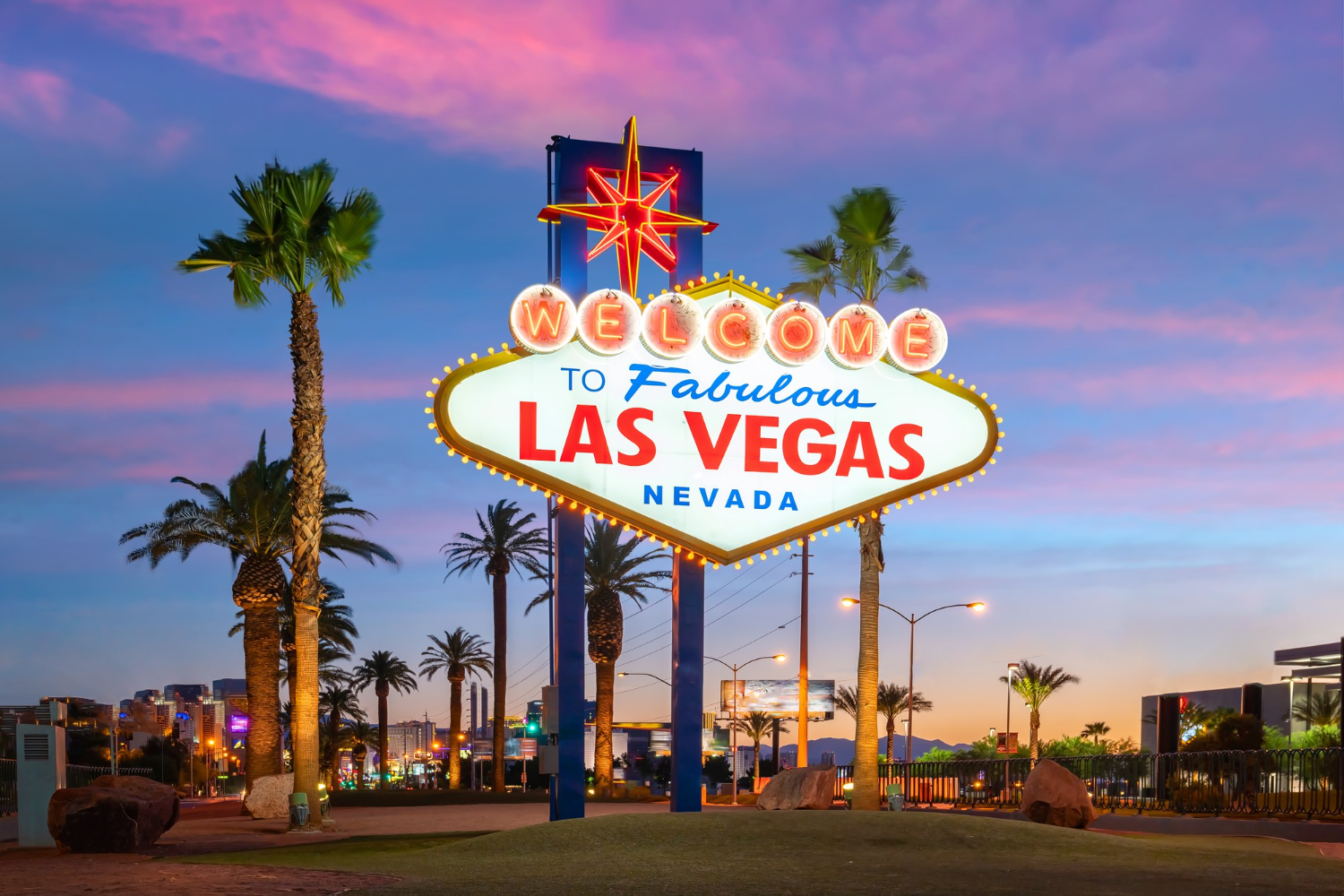
Today there are ten F1 Arcades: London and Birmingham in the United Kingdom; Boston, Washington, Philadelphia, Denver, Las Vegas, Atlanta and Chicago in the United States; and, since April 2026, Madrid, the first venue in continental Europe, a short walk from the Santiago Bernabéu stadium, in the year the Spanish Grand Prix moves to Madrid’s new street circuit, the Madring. The idea is simple and shrewd at the same time: combine the simulator, which hooks those who already know Formula 1, with a place to eat and drink with friends, which draws in those who have only just discovered it.
F1 Drive, karting inside the stadium
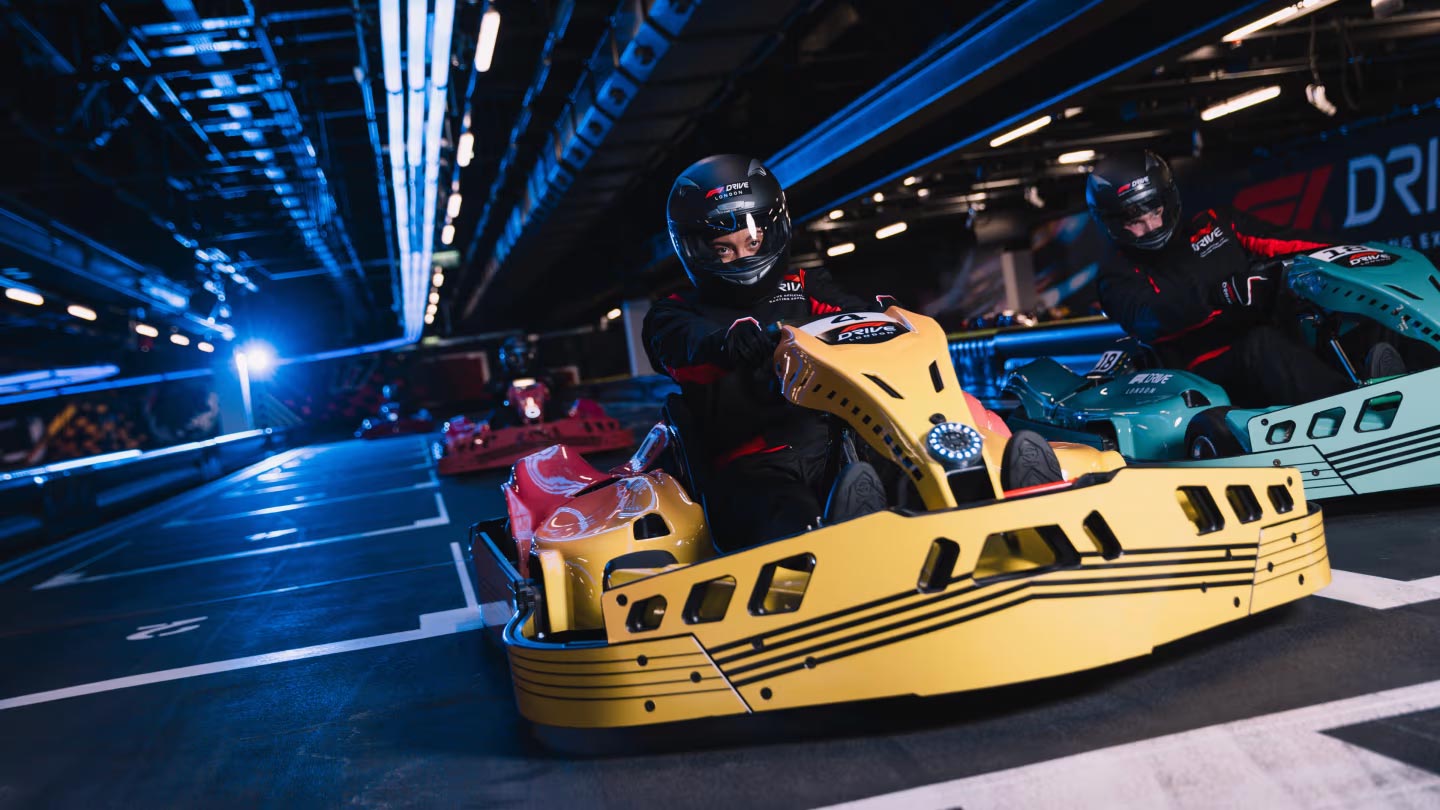
F1 Drive comes from a fifteen-year partnership between Formula 1 and Tottenham Hotspur, announced in March 2023. The club presented it as the world’s first electric karting facility built inside a stadium: three layouts inspired by championship circuits, one of them designed for younger drivers. The karts have DRS, engine sounds and a steering wheel with an LED display: details with a single purpose, making whoever is driving feel a little closer to the driver they watch on television.
The location is no detail either. Putting Formula 1 under the stand of a Premier League club means speaking to an audience that may never have watched a Grand Prix but goes to the stadium every other week. It is a meeting of two fan bases, and for Formula 1 one of them is still entirely to be won over.
From watching to doing
In experiential marketing there is a rule that applies to every sector: what you experience stays with you longer than what you watch. F1 Arcade and F1 Drive apply it to the letter. Fans do not receive a message, they live it: they pick a team, enter a circuit, take on their friends and go home with a lap time to beat.
It is the same principle that has made Formula 1 so popular in recent years, from the Drive to Survive docuseries onwards: lower the barrier to entry, make the sport understandable to people who do not know the rules, turn the spectator into a protagonist. We covered it in our piece on why Formula 1 is so popular. The numbers back this choice: in the 2025 global survey by Formula 1 and Motorsport Network, 76% of respondents said sponsors enhance the Formula 1 experience, a sign of an audience that accepts brands when they take part in the experience instead of interrupting it.
What sponsors and teams gain
For brands, every place where Formula 1 meets fans away from the track is one more touchpoint. A simulator in a team’s colours, an event with a driver, an evening for clients in a themed venue: these are opportunities that the race weekend, with its limited space and its prices, does not always offer. Whoever sponsors a team, or is a title sponsor, finds in these places a natural extension of their rights, and in some cases an activation space that is more accessible and more measurable than the paddock.
For teams the reasoning is similar. The fan who sits in a simulator wearing their favourite team’s livery is not just playing: they are strengthening a bond that will last longer than a season. And it is a bond that is built far from the circuits too, in cities where Formula 1 does not race.
A model that goes beyond Formula 1
Liberty Media, which has controlled Formula 1 since 2017, on 3 July 2025 also completed the acquisition of Dorna, the company that holds MotoGP’s commercial rights and is now called MotoGP Sports Entertainment Group. It is hard not to wonder whether weekday Formula 1 will soon become weekday MotoGP too, with its own arenas, its own simulators, its own fans to win over far from the circuits.
For anyone investing in motorsport the question is a different one, and more pressing: how much is it worth today to be present in the places where fans spend their Tuesdays, and not only in those where they spend their Sundays?
Image: Formula1.com.
Frequently asked questions about F1 Arcade, F1 Drive and F1 fan engagement
What is F1 Arcade?
It is a chain of official venues licensed by Formula 1 and run by Kindred Concepts, combining full-motion driving simulators with a bar and food. The first opened in London on 12 December 2022, near St Paul’s, with sixty simulators.
Where are the F1 Arcades?
There are ten venues: London and Birmingham in the United Kingdom; Boston, Washington, Philadelphia, Denver, Las Vegas, Atlanta and Chicago in the United States; and Madrid, opened in April 2026, the first venue in continental Europe.
What is F1 Drive London?
It is an electric karting facility that opened on 6 February 2024 beneath the South Stand of Tottenham Hotspur Stadium, presented as the world’s first inside a stadium. It comes from a fifteen-year partnership between Formula 1 and Tottenham Hotspur and has three layouts inspired by championship circuits.
Why does Formula 1 invest in off-track experiences?
Because the calendar has 23 race weekends and for the rest of the year fans have no fixtures. Themed venues and tracks keep the relationship alive all year round and bring the sport to a new audience, who come in to have fun and discover Formula 1.
What do sponsors gain from F1 Arcade and F1 Drive?
They are touchpoints with fans outside race weekends: spaces for client events, themed activations, presence alongside the teams’ colours. For many brands they are an extension of their sponsorship rights that is more accessible and measurable than the paddock.
What is the link between Formula 1 and MotoGP?
The same owner: Liberty Media, which has controlled Formula 1 since 2017, completed the acquisition of Dorna, the company holding MotoGP’s commercial rights, on 3 July 2025. Dorna is now called MotoGP Sports Entertainment Group.