What is an agency? It is a word we use often, sometimes in a hurry, sometimes carelessly, and every now and then we lose sight of what it means. And yet anyone who works in marketing, in communication and beyond deals with agencies all the time.
According to the Italian Treccani dictionary, the first two meanings of the word “agency” are these. First, an agency is a business whose purpose is to act as an intermediary in taking on and handling dealings of any kind. Second, an agency is a business that offers a specific service to third parties. In short, an agency is a business that carries out very specific functions, intermediation but not only, on behalf of other businesses that do not have that capability in-house.
Those few lines from the dictionary contain, remarkably, not only the definition of an agency but also its history and its role in modern business. A role that is changing radically, moving from intermediary to problem solver, and then to consultant.

Why work with an agency?
The question only looks mischievous. Why should I turn to someone else to carry out functions or tasks that help me or my business improve? In short, there are four reasons:
- Expertise
- Objectivity
- Time and cost efficiency
- Support and scalability
First, expertise. A specialist agency knows how to do something that I or my team cannot do. If the need is specific, immediate and well defined, the agency solves the problem by filling the skills gap that has opened up. The agency has the experience, the knowledge and the resources to bring something to the table that was not there before.
Second, objectivity. Being independent and autonomous, agencies are not tied to internal politics, are not swayed by the environment and can afford the great luxury of being honest and transparent. This is an advantage especially in decision-making, where moves should be driven by data and knowledge rather than by instinct or habit.
Number three: every agency, of whatever kind, should allow me and my team to save time, energy and therefore money. The agency shortens the learning curve and stays outside the complexity of company life to focus solely on the task it has been given.
Finally, support and scalability. Not all projects are the same, and not all moments in the life of a business are the same. Agencies have the advantage of providing support and manpower in periods of heavy workload or need, and of working like an accordion, increasing or reducing their input very quickly.
How the agency is changing
As society, business and communication have changed, the agency has also had to adapt and change to stay modern. As mentioned at the start, the agency has moved from intermediary to problem solver, and from problem solver to consultant.
The typical role of the pure intermediary is that of the old estate agency. One person wants to sell a house, another wants to buy it, the agency puts them in touch and keeps a percentage of the transaction. It is an important role, no doubt, but one that risks disappearing as soon as new tools remove the need for a middleman and close the distance between the parties. What is the point of a travel agency if I can compare the prices of hundreds of flights myself, almost instantly?
The next natural step is the problem solver, which means taking charge of the client’s need and meeting it in every respect. The communication agency in its 1980s heyday is a good example. Companies need to deal with the media, manage advertising, create imagery and present themselves to customers: all activities that are handed to outside partners and absorbed by those groups so well portrayed in so many TV series.
But when the market offers a huge range of options, operational possibilities are almost endless and the potential paths are countless, problem solving has to turn into consultancy. The agency’s role shifts from purely operational to strongly strategic. With long experience, a proven network, constant updating and strong relationships within the industry, the modern agency helps the brand to decide and to find its way, perhaps then delegating the operational work with surgical precision to highly specialised studios and “boutique agencies”.

Being an agency today
For all the reasons above, being an agency today is not easy, even though it remains an exciting, enjoyable and constantly evolving job, as well as a deeply useful and sometimes decisive one.
Today an agency has to be competent and attentive, but also very present and exceptionally well connected with the different parts of the industry in which it works. Modernity, constant research and curiosity are as essential as a rich address book, a set of healthy and strong relationships and a very high level of specialisation in its own field.
If the agency can afford the luxury of objectivity and independence, it must also accept the obligation of extreme expertise and the burden of getting the answer right in every situation.
The sports marketing agency
The sports marketing agency is no exception to all of this: if anything, today it sits at the far end of specialisation and consultancy.
Sport is wrongly seen as an easy world, but it is actually full of pitfalls and quirks, and the sports marketing agency has to fight a double prejudice: the idea that this work can be done alone and without expertise (because everyone knows about sport anyway), and a consulting role that is still not always fully understood and accepted.
Today the sports marketing agency must be extremely vertical, because the world of sport is too vast and too varied to claim to know all of it, but it also needs all-round expertise in marketing, communication and management, to handle activation and reporting as well as the fundamental work of negotiating the deal.
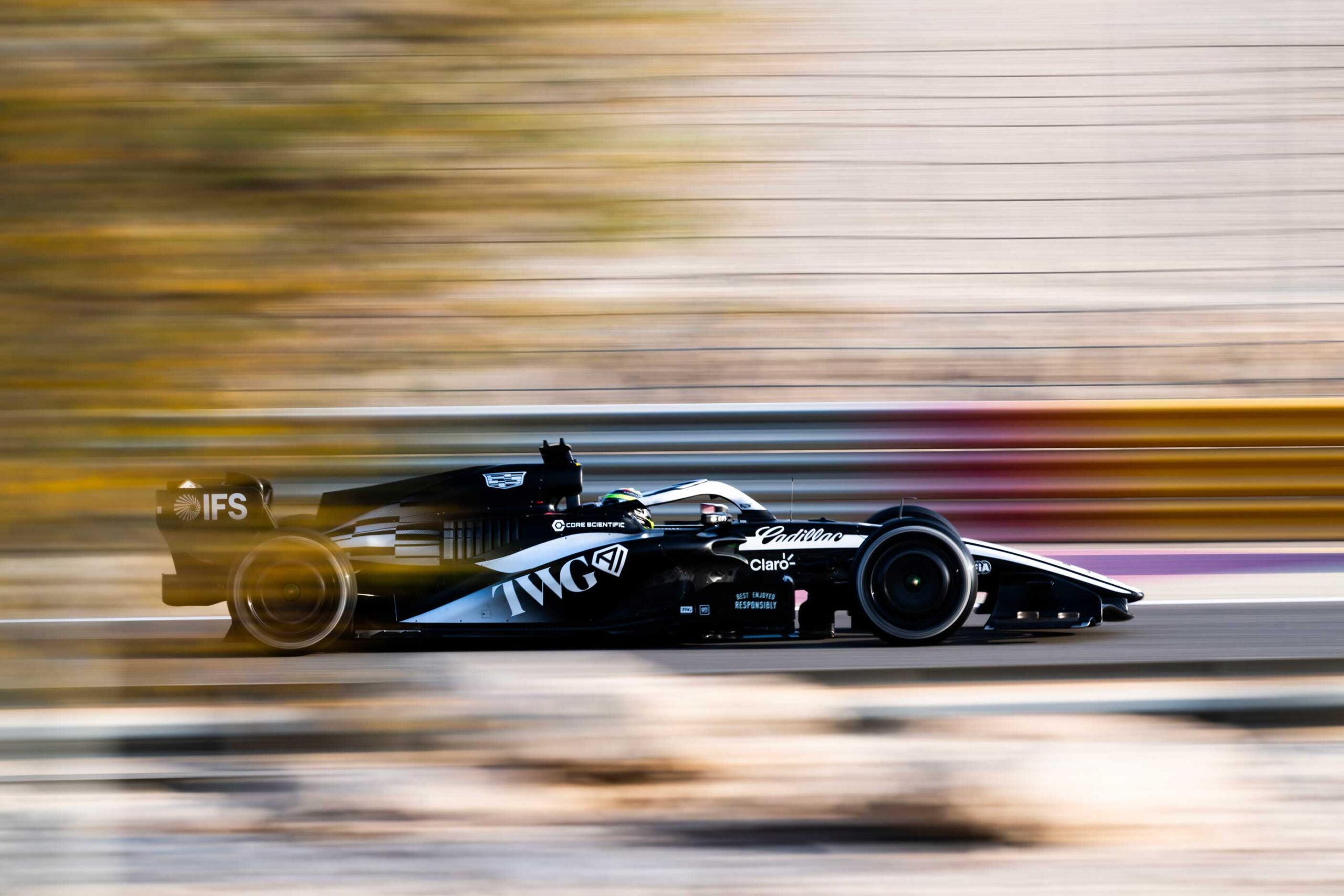
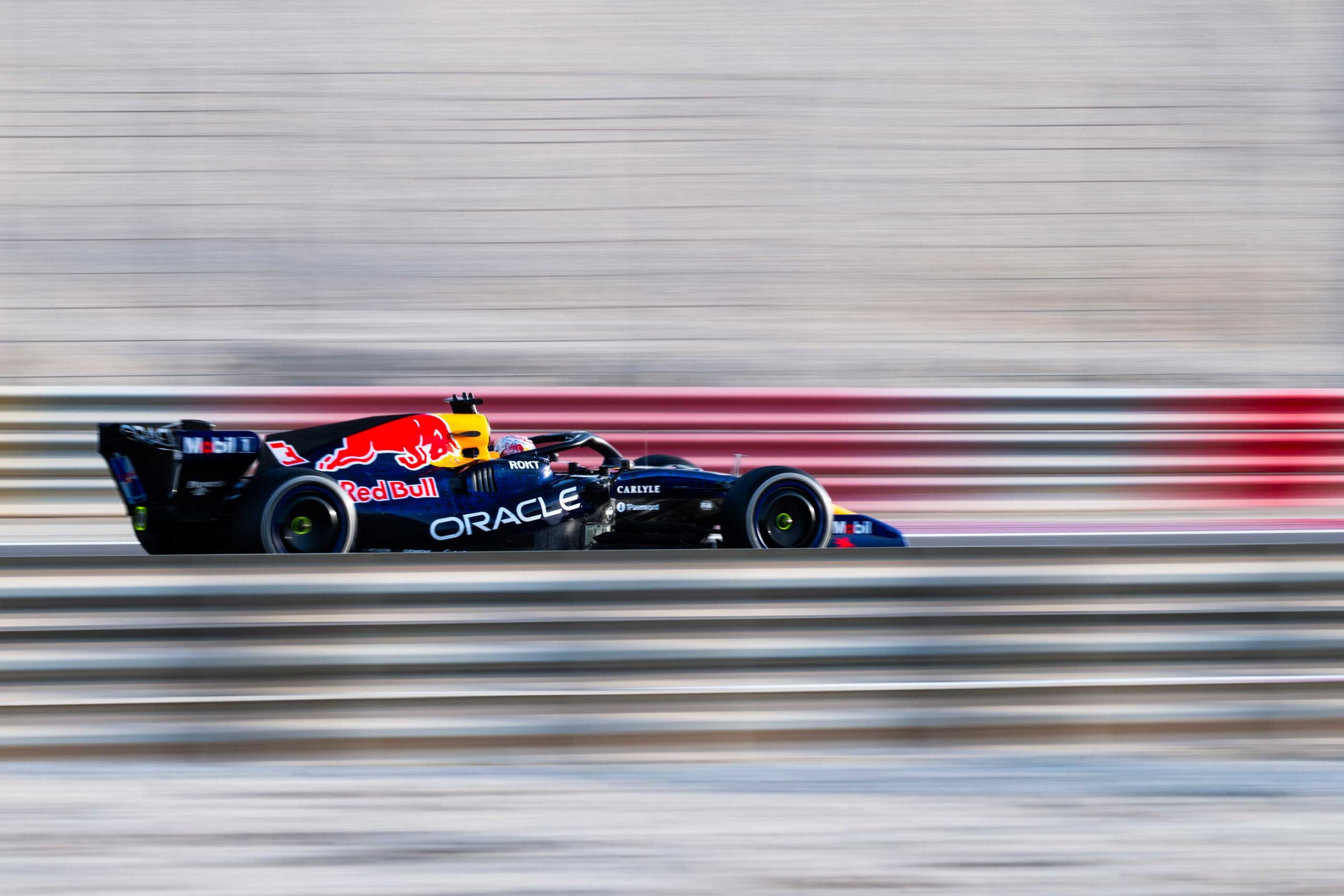
For over 30 years RTR Sports has been providing sports marketing consultancy to companies and brands that want to use motorsport as an effective communication tool for their campaigns and strategies. We work in top-level motorsport, Formula 1, MotoGP, Formula E, WEC and Superbike, because these are championships we know well and in which we have operated successfully for many years.
For questions, information and to find out how we can help you, write to us at info@rtrsports.com or use the contacts on this site.
Frequently asked questions about agencies
What is an agency?
An agency is a business that carries out specific functions on behalf of other businesses that do not have that capability in-house: it can act as an intermediary in a deal or offer a specialist service, from communication to strategic consultancy.
What is an agency for?
It brings four things into a company: missing expertise, an objective and independent view, time and cost efficiency, and the ability to scale resources up or down according to the workload.
How has the role of the agency changed?
It has moved from pure intermediary, putting two parties in touch, to problem solver, taking charge of a client’s need, and on to strategic consultant, helping the brand decide and find its way in a market with a huge number of options.
Why use an agency instead of doing it yourself?
Because an agency shortens the learning curve, brings experience and relationships already built, and looks at problems without internal constraints. For a company this means deciding with more data and wasting less time and budget.
What does a sports marketing agency do?
It helps companies and brands use sport as a communication tool: it identifies the right sports property, negotiates the deals, designs the activations and measures the results with dedicated reporting.
How do you choose a sports marketing agency?
Look at its vertical specialisation in the sport you are interested in, its documented experience, its network of relationships in the industry and its ability to follow the whole journey: from negotiation to activation and on to measuring results.