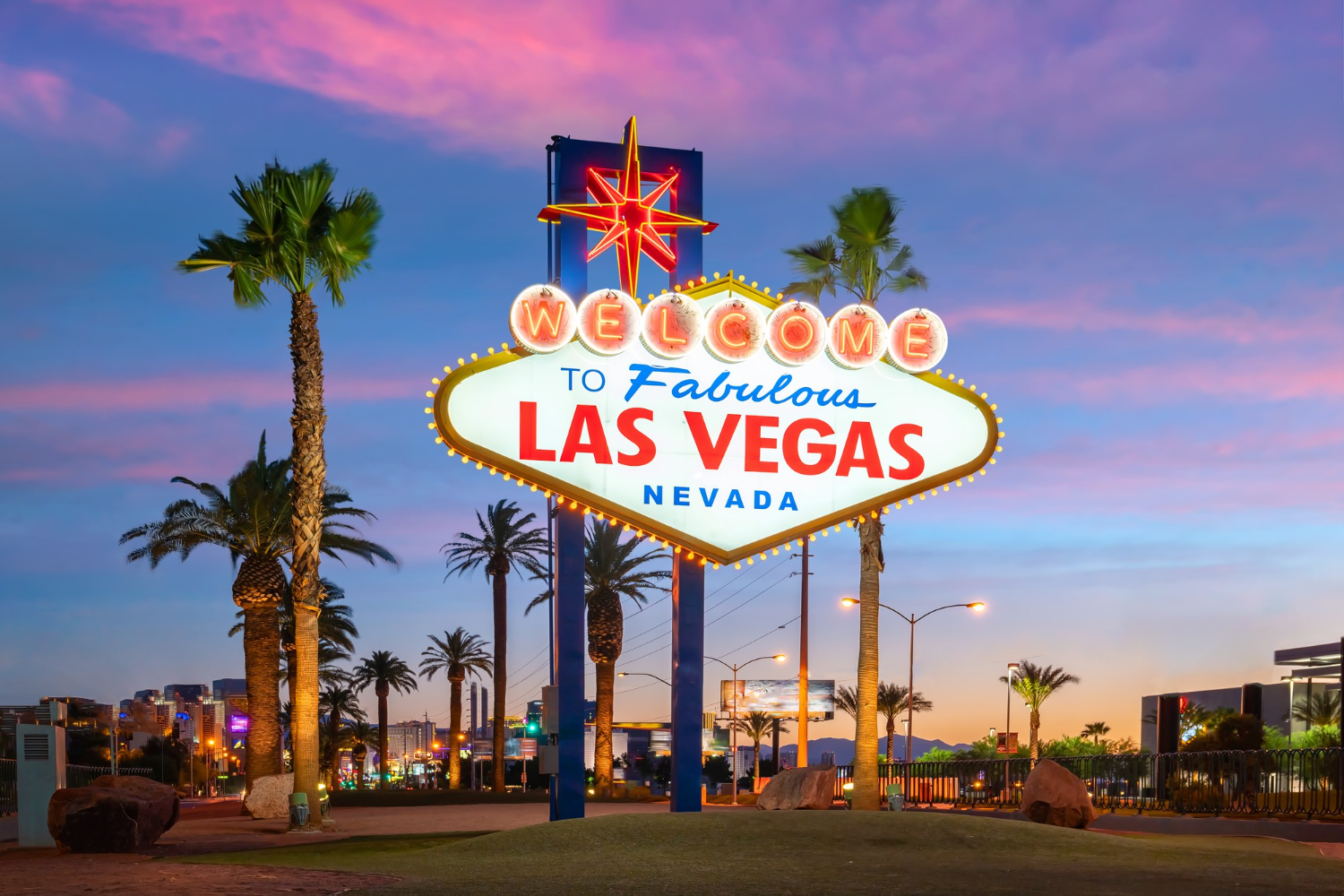
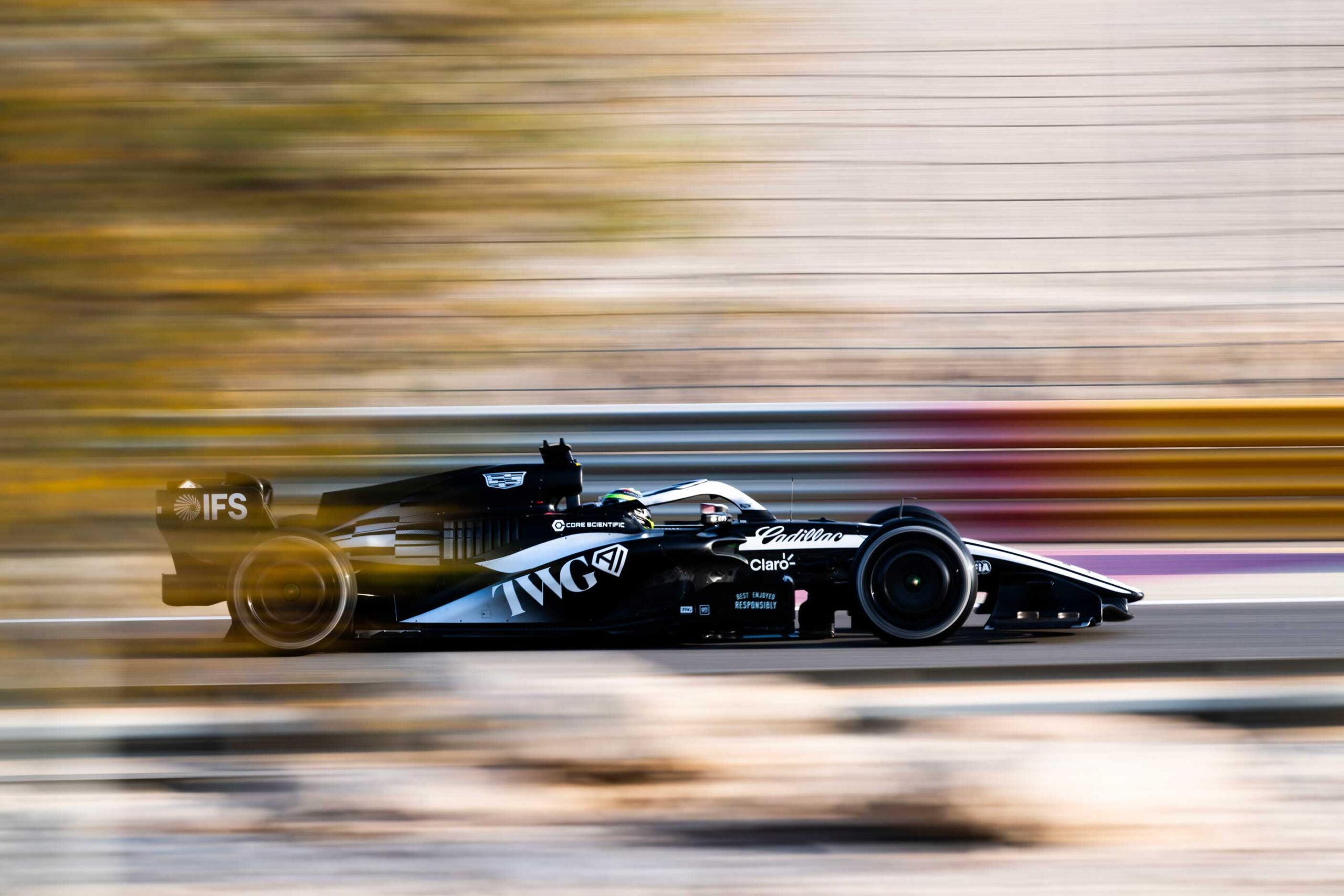
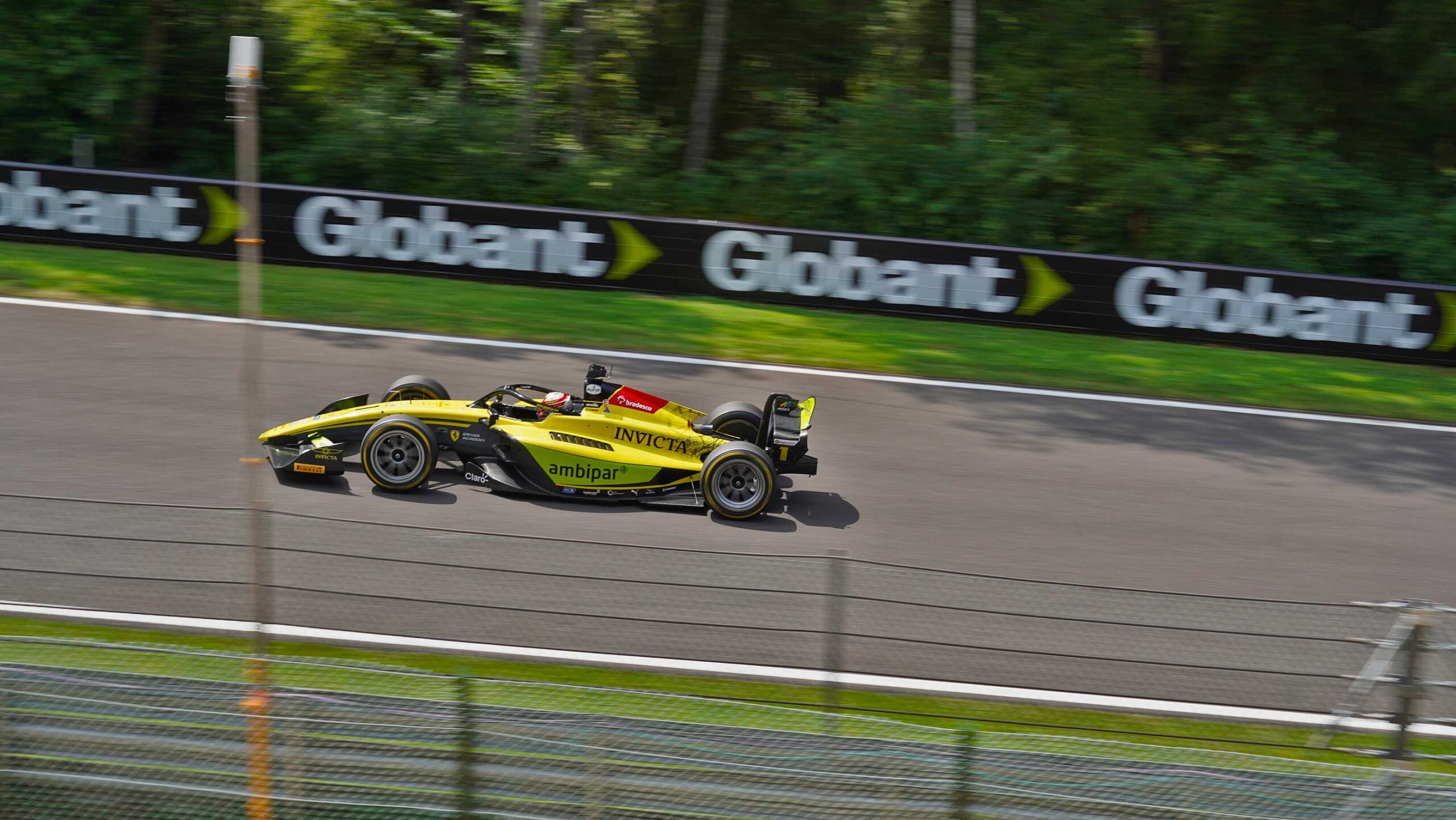
The Las Vegas Grand Prix is the race where Formula 1 does not just sell a slot on the calendar: it promotes the event itself. It has been run since 2023 on the Strip street circuit (6.201 km, 17 corners, 50 laps) on Saturday night; in 2026 the weekend is 19-21 November. Liberty Media, F1’s owner, has invested more than 500 million dollars in land, track and paddock, and in June 2026 the contract was extended by ten years, to 2037. The cumulative economic impact claimed is 3.2 billion dollars, but economists dispute how it is calculated.
Updated in October 2026.
Nine minutes. That is how long the first free practice session in the history of the Las Vegas Grand Prix lasted, on the evening of Thursday 16 November 2023: Carlos Sainz ran over a water valve cover that had come loose and badly damaged his Ferrari. Spectators were cleared from the grandstands and the second session finished at four in the morning, local time. It was the opening of a race that had cost more than 500 million dollars, and it looked like the prelude to a failure. Three editions later, all sold out according to the organisers, F1 has signed to stay in Las Vegas until 2037. What happened in between says a great deal about how the relationship between sport, entertainment and marketing is changing, and about what a sponsor can buy.

Why Las Vegas: Liberty’s move
The rule in F1 has always been that a city that wants to host a Grand Prix pays Formula 1 the fees. In Las Vegas the model is reversed: F1 organises the race and risks the capital. Liberty Media bought a 39-acre plot for 240 million dollars, built the circuit and a permanent paddock (about 300,000 square feet, which hosts events all year round and serves as its American base), and according to its chief financial officer spent about 435 million dollars, with an estimate approaching 500 million. The expected return, stated before the debut, was revenue close to 500 million dollars and a place among the top five races by profit already in the first year.
That is the difference from every other round: in Las Vegas F1 sells tickets, hospitality and sponsorship of the event, not just the rights. It is the reason why the naming rights (the race is now called the Formula 1 Heineken Las Vegas Grand Prix), the grandstands, the packages with the big resorts and the suites read as products of a company that organises a show.
The race in numbers
- Circuit: 6.201 km, 17 corners, 50 laps for 309.958 km; about 2 km of straight along the Strip, and the second-longest track on the calendar;
- Winners: Max Verstappen in 2023, George Russell in 2024, Verstappen again in 2025, after the disqualification of Lando Norris and Oscar Piastri for excessive wear on the floor of their McLarens;
- Top speed recorded: 368.9 km/h, by Alex Albon in 2024;
- Overtakes: 181 at the 2023 debut, the highest number of the whole season;
- Time: Saturday evening, under the lights; in 2025 the start was brought forward by two hours, to 8 pm;
- 2026: weekend from 19 to 21 November, with the race on Saturday 21. The full schedule is in the 2026 F1 calendar.
From a rough start to cruising speed
The debut was painful, and the drain cover that stopped practice has remained the symbol of that night. The organisers corrected course in the following years. According to the local press, in 2025 tickets cost about 30% less and the race was brought forward by two hours; the third edition was sold out again and MGM Resorts spoke of near-full rooms for all three days. For 2026 the starting prices are 50 dollars for one day and 492 dollars for the three days in general admission (Flamingo General Admission), 925 dollars for the Heineken grandstands and 2,051 dollars for the Heineken Silver Main Grandstand; the Trackside Tavern in the Paddock Club starts at 10,902 dollars (taxes and fees included).
The spread is the logic of a high-end show: an affordable entry ticket as a doorway and a premium offer that supports revenue.
What it is worth to the city, and who questions the sums
The most quoted figure is the impact of 2024: 934 million dollars, according to the study by Applied Analysis, a Las Vegas consultancy hired by the LVCVA, the tourism body, with about 4,500 jobs. The cumulative total claimed since the debut is 3.2 billion dollars, and in 2025 about 300,000 people would have attended over the weekend. For 2025 the local press spoke of about 150,000 people who travelled specifically for the race.
Economists, however, warn that these are gross spending figures. Victor Matheson of Holy Cross observes that impact studies neglect what does not happen because of an event, and that it is easy to reach a big number if you do all the additions and no subtractions. An analysis by Frank Stephenson in 2023 found that hotel occupancy had fallen by 8-18 percentage points on the nights around the race, with 12,000-30,000 fewer rooms sold per night, and that the extra revenue on race nights (about 70 million dollars over ten days) was offset by drops on the other nights. Four local businesses also sued, arguing that their losses were not in the calculation. It is an open debate, and it should be kept in mind before taking the declared billions as fact.
What it means for a sponsor
For those who sponsor, Las Vegas works as a case study because the event is a single product, with categories of its own, distinct from team sponsorships.
- Title partner. Heineken gives its name to the race and to the main grandstand, and brings its hospitality activations to the weekend.
- Resort partners. The big hotels on the Strip are partners of the event: The Venetian has signed a five-year founding-partner agreement to 2030, and MGM Resorts and Caesars Entertainment also have partnerships to 2030.
- Hospitality. From the Paddock Club to the resort packages, it is the most profitable part for the organiser and the most useful for anyone who wants to bring clients to a high-profile event.
Las Vegas is also one of the three American rounds on the calendar, with Austin (contract to 2034) and Miami (to 2041): the US market is today the most important for F1’s growth and for sponsors who want to speak to it. With US television rights moving to Apple TV from 2026, how the way visibility is measured is also changing is told in sponsorship and visibility in the digital era. Anyone considering entering F1 will find the budget thresholds in the guide to the cost of Formula 1 sponsorship.

Sport or show? A bet that has paid off, for now
The two words have always been in tension, and Las Vegas holds them in balance. The risk, at the start, was that the Grand Prix would become a party with a race in the background and drive away the fans who love F1 for its European roots. After three editions the balance is more nuanced: there was an uncertain debut, a course correction on prices and times, a race that also managed to be sporting relevant (the 181 overtakes of 2023, the disqualification of the McLarens that in 2025 put Verstappen back in the title fight) and a ten-year contract. The question that remains open is how much of this success depends on the race and how much on the city, and what will happen when the novelty wears off. For now Las Vegas has shown that a Grand Prix can also be a product that F1 owns, and this changes the way sponsors must look at it.
RTR Sports Marketing has been building motorsport sponsorships since 1995.
Sources: Sky Sports, F1 in Las Vegas until 2037; PlanetF1, the contract extension; Front Office Sports, Liberty’s 500 million investment; ESPN, Liberty buys the land for 240 million; Sportico, the revenue expected in Las Vegas; Fox 5 Vegas, the 2023 first practice; Motor Sport Magazine, the McLaren disqualification; Ministry of Sport, the circuit’s numbers; LVSportsBiz, the economists and the race’s impact; Coyote Country, the 2025 balance; 8 News Now, the 2026 ticket prices; X1075, the 934 million and the 4,500 jobs.
Frequently asked questions
When is the 2026 Las Vegas Grand Prix?
The weekend is 19-21 November 2026, with the race on Saturday 21 November, in the evening, on the Strip street circuit.
How long is the Las Vegas circuit?
6.201 km, with 17 corners and 50 laps, for a race distance of 309.958 km. About 2 km are a straight along the Strip.
Who has won the Las Vegas Grand Prix?
Max Verstappen in 2023, George Russell in 2024 and Verstappen again in 2025, after the disqualification of Norris and Piastri.
How much did F1 invest in Las Vegas?
Liberty Media invested more than 500 million dollars in land (240 million for 39 acres), circuit and permanent paddock. Unlike other rounds, in Las Vegas it is F1 that promotes the race.
How much do 2026 Las Vegas Grand Prix tickets cost?
From 50 dollars for one day and from 492 dollars for three days in general admission; the Heineken Silver Main Grandstand starts at 2,051 dollars and the Paddock Club’s Trackside Tavern at 10,902 dollars, taxes and fees included.