This is the big dilemma: should I follow my instinct or should I look at the numbers? Well, I’ll look at the numbers — they don’t lie. But before that, the main piece of advice is: choose something fun and engaging. Something that makes fans jump off the sofa and want more.
Sport is entertainment, and you cannot afford to associate your brand with a boring show. Have you ever been to the cinema and watched an unbearable film? I’m sure you didn’t recommend it to your friends afterwards. If you’re not satisfied, you don’t just fail to encourage people to go — you actively discourage them, because you care about your friends.
The same happens in sport, and it could reduce the potential results of your sponsorship programme.
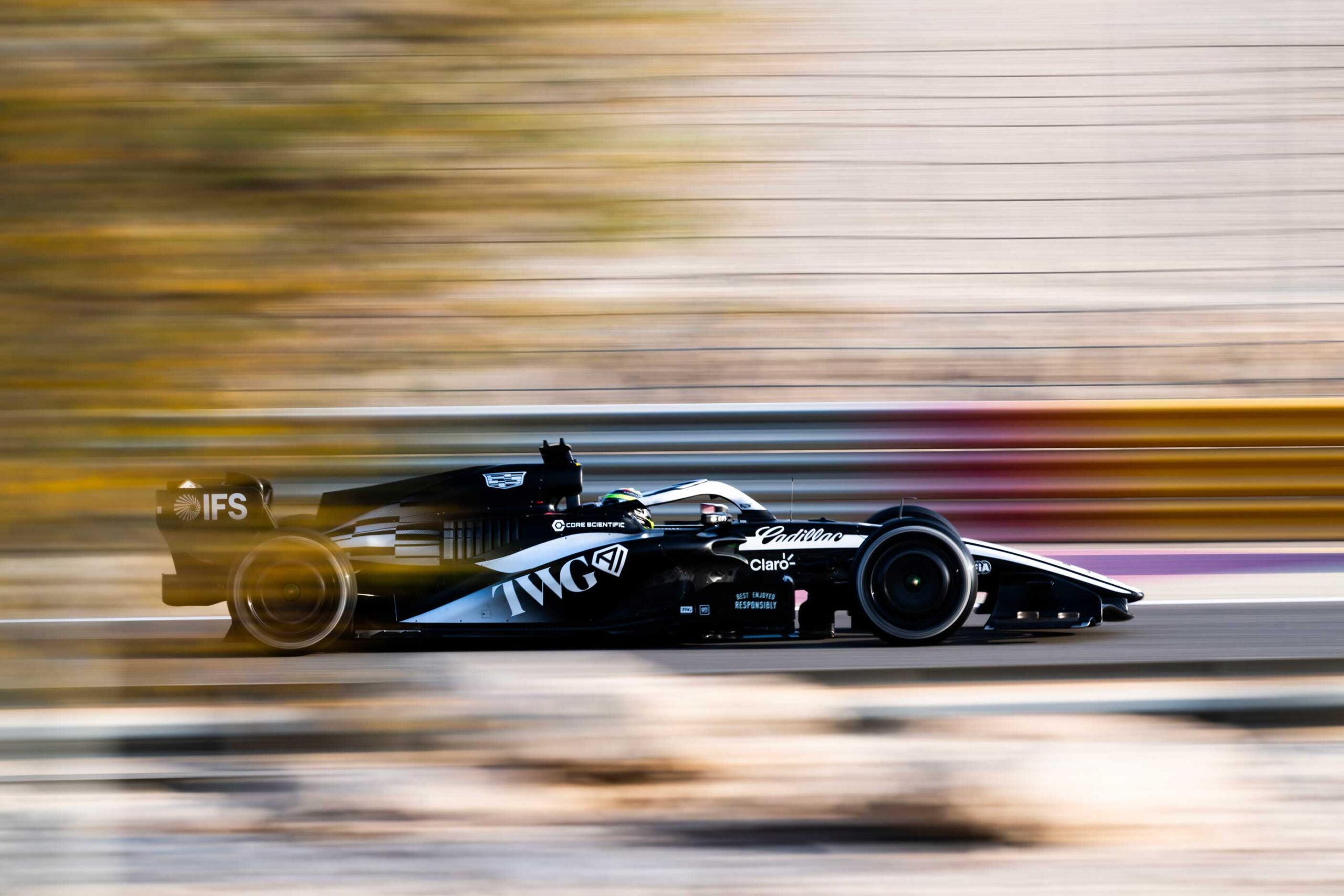
The quality of the show is a multiplier of the sponsorship investment: a sport that grows in public perception also brings growth in the value of the brands that sponsor it. We have seen this first-hand with Formula 1, which has experienced a true renaissance since 2021: from 400 million fans in 2017 to 826 million in 2024, with a 12% increase in the last year alone.
How to Choose
What are the characteristics a sport must have to be an excellent tool for a company?
- Engaging and fun
- Events should not be too long; today’s attention span is shorter than in the past.
- International (especially if a company operates in more than one country)
- Wide television coverage (large audience and preferably some or most events should be broadcast on free-to-air TV, not exclusively on pay TV)
- Strong presence on social media
- Alternative digital platforms to watch the show — Streaming
- Clean (some disciplines are less or not at all affected by doping)
- Sustainable. Some sports are implementing strategies to offset their carbon footprint or switching to electric.
This is the foundation you should look for when choosing your sport — and it could be any sport, as long as it ticks most of these boxes. Once you have shortlisted sports with these characteristics, the next steps are tied to the discipline’s value: you can choose something aligned with your brand or something that helps you reposition it.
At the same time, we need to think about our commercial and marketing objectives. Last but not least: budget. We need to make sure we have sufficient budget to carry out activities throughout the year.
Communication, Promotion, Contests
Finally, we need to think about setting up all the tools to measure ROI. You have now chosen an engaging sport with all the right characteristics and you are in the right position to build a sponsorship plan that makes the most of all the opportunities the programme offers. Every company is different and has different needs, so every sponsorship plan is tailored. If you want a framework with a general example, follow this link: what is a sponsorship plan
When you want to talk about sponsorship, you can contact us at info@rtrsports.com.
Frequently Asked Questions on Choosing a Sport to Sponsor
Frequently Asked Questions
How do you choose the right sport for a sponsorship?
The choice depends on 8 key criteria: audience engagement, event duration, international reach, television coverage, social media presence, streaming platforms, absence of doping, and environmental sustainability. A sport that meets most of these requirements provides the optimal conditions for an effective sponsorship activation.
Is it better to choose a sport aligned with brand values or the most popular one?
Ideally both. Value alignment between brand and sport ensures consistency and communicative credibility; popularity maximises coverage. When there is a trade-off, value alignment is often the more strategic choice: it creates a more lasting and authentic association in the audience’s perception.
How much does budget matter when choosing a sport to sponsor?
It is a decisive variable. The budget must cover not only the sponsorship rights, but also the activation: events, content, hospitality, and digital. An unactivated sponsorship delivers results far below its potential, regardless of the sport’s popularity.
Formula 1 or MotoGP: which is the better investment?
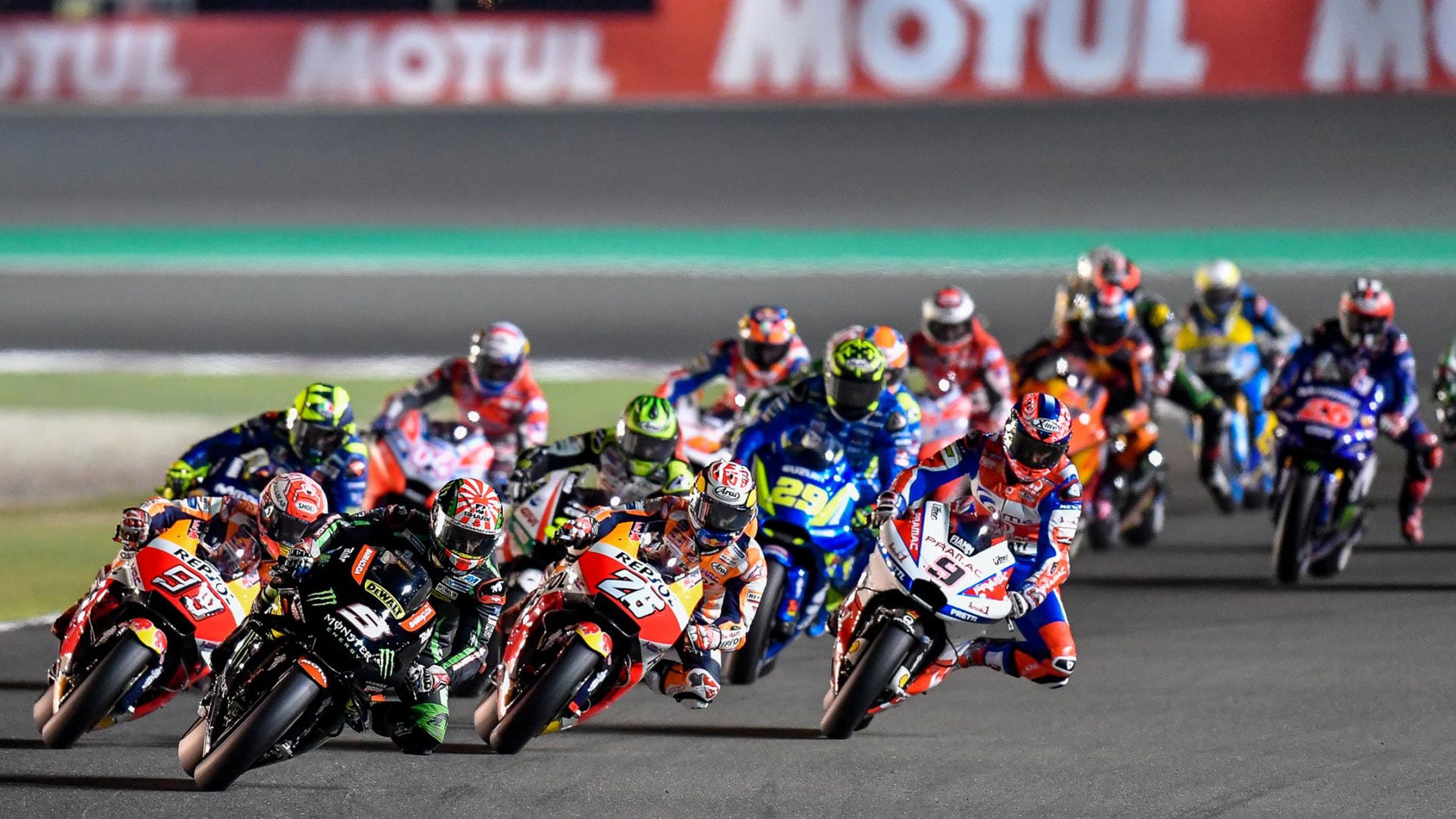
It depends on the target market and the brand’s objectives. Formula 1 has broader coverage in North America, Europe and the Middle East; MotoGP dominates in Asia (Indonesia, Japan, Malaysia) and Southern Europe. Both offer global audiences of tens of millions of fans per event — the choice depends on where the brand wants to build its presence.
How is ROI measured for a sports sponsorship?
ROI is measured across multiple dimensions: media visibility (equivalent advertising value), awareness and brand uplift, digital traffic and lead generation during events, and commercial results over the medium to long term. It is important to set up measurement tools before even signing the agreement.