The world of events is huge, and the market of agencies that handle them is just as broad and varied. Before choosing who to work with, it is worth taking a step back to understand how events fit into a marketing strategy, what an event marketing company really does and how it differs from a sports marketing agency.
Updated September 2026.
In short: an event marketing company helps businesses create moments, live or digital, where a brand and its audience meet, in order to leave a lasting impression and drive people to choose the product. It handles the concept, production and management of every kind of event: conventions, product launches, trade fairs, promotional tours, consumer events. A sports marketing agency, by contrast, is not built to organise events but to design strategies based on sports sponsorship, events included.
Where every marketing strategy starts
Marketing changes and adapts to the times, but the underlying goal of every company stays the same: attract customers, persuade them to choose its product or service and make sure they are satisfied enough to come back. Whether you sell trainers or financial services, computers or cars, the challenge is always this one. What changes is the strategy and the tools chosen to win it.
Among those tools is promotion, one of the classic levers of the marketing mix: the set of activities through which a company communicates its products to the market and encourages people to choose them. It includes advertising, sales promotions, public relations, events and sponsorships.
Why events matter, and why advertising alone is not enough
Every day we receive thousands of messages, and remembering which brand each one belongs to is almost impossible. We usually remember what interests us or what struck us. Traditional advertising on television, radio, the web or public transport increasingly struggles to capture attention on its own: it often needs to be combined with initiatives that bring consumers into direct contact with the product.
This is what the American Marketing Association calls event marketing: a promotional strategy that aims to leave a lasting brand impression on consumers by creating buzz around a product or a company. We hear about engagement all the time, and that is exactly it: creating moments, real or virtual, in which brand and audience actively interact.
Research confirms that it works. According to the Freeman Trust Report 2025, conducted with Harris Poll in the United States, 95% of attendees trust a brand more after meeting it at an in-person event, and 85% are more likely to buy after the event.
That is precisely the job of an event marketing company: helping businesses create occasions to engage their audience effectively and memorably, so that the brand stays in people’s minds and carries weight at the moment of purchase.
Event marketing has its specialisations too
The world of events is so broad that agencies have specialised over time. Depending on what the brand needs, you choose the most suitable company, which will propose a tailor-made project. A few examples:
- agencies for large events, trade fairs and corporate conventions, down to those that only handle medical congresses or institutional events;
- companies specialising in product launches, sampling, travelling promotional tours or guerrilla marketing;
- agencies for cultural, music or travel-related events;
- experiential marketing agencies, which build brand experiences in which the public takes an active part;
- digital event companies and agencies that work with influencers, brand ambassadors and celebrities;
- agencies experienced in activities in shopping centres and large retail chains.
Alongside these there are entertainment agencies, which bring artists, shows and celebrities to the stage: we cover them in our article on the differences between an entertainment marketing agency and a sports marketing agency.
What about sporting events?
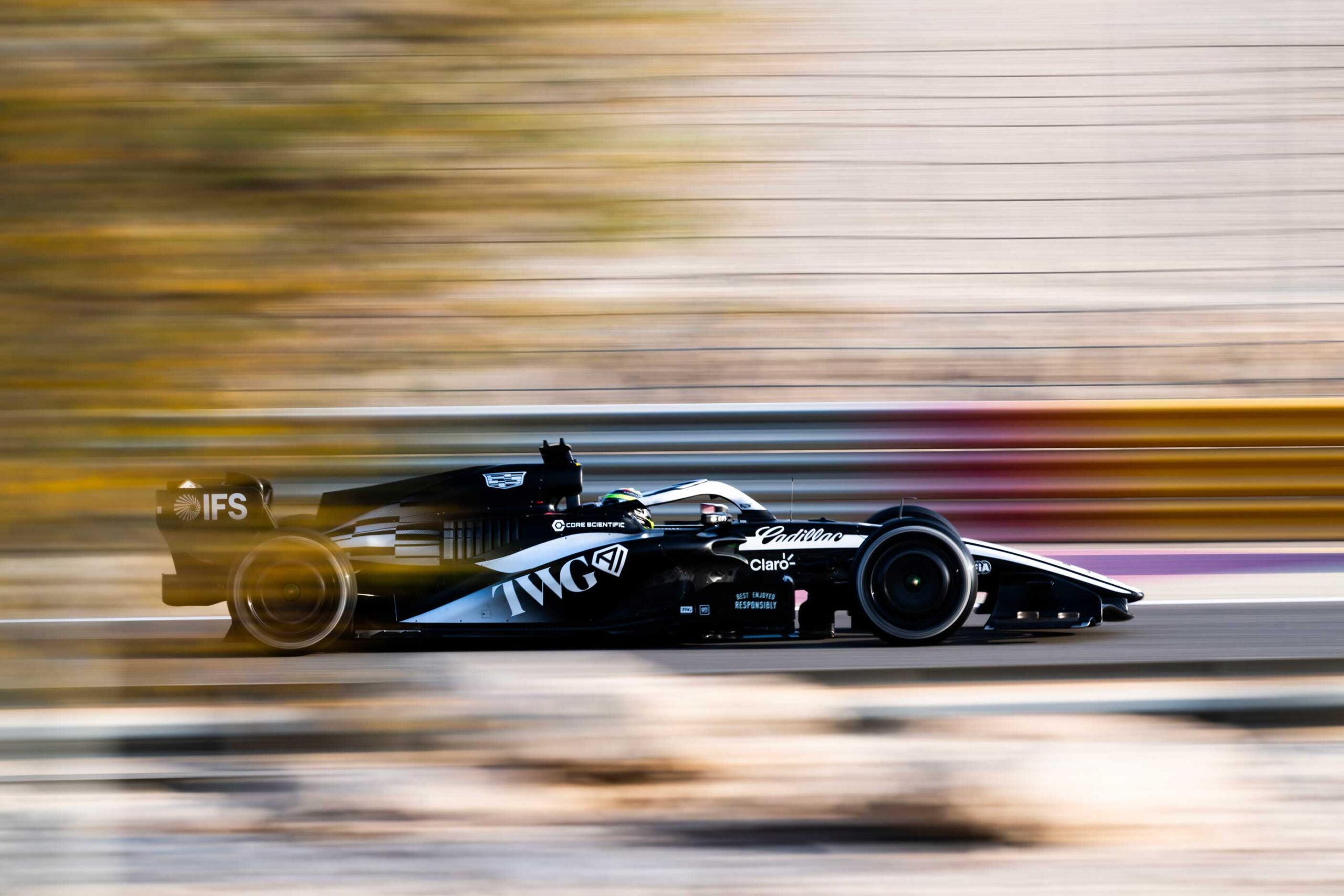
Sport and sporting events often end up halfway between events, promotions and advertising. Yet their weight is enormous: Formula 1 ended 2025 with 6.7 million spectators at the circuits, the highest figure in its history, and around 70 million average TV viewers per weekend; MotoGP welcomed 3.6 million spectators, with a fanbase of 632 million people. In 2025 the Nitto ATP Finals in Turin recorded a record 229,879 spectators.
Sports marketing and sponsorship agencies, however, are not event agencies. They are consultancies that support companies wanting to use sport as a marketing and communication tool. They do not conceive or produce a sporting event, as is often thought: they define a strategy in which sponsorship is the pivot around which all communication and promotion is built, activations included.
An example. A computer manufacturer decides to invest in sport. The agency helps it understand where it makes sense to do so, based on its goals, values, audience and budget, assesses the opportunities and identifies the property closest to its needs. If the choice falls on a Formula 1 team, the agency supports it in selecting the partner, assessing the offers and handling the contract, and then builds with it the marketing activities that exploit the sponsorship:
- communicating the partnership and the values it is based on, such as technology, innovation, competitiveness and team spirit;
- a content and social media strategy to tell the story of the partnership and engage with the audience;
- the activations themselves: events, competitions, incentive programmes, hospitality, product launches linked to the sponsorship.
All these activities serve to connect with the audience by leveraging the passion that links it to the brand through sport.
When a sports marketing agency organises an event
A sports marketing agency can still take care of events when they are linked to the sponsorship. If the company is planning a convention or a product launch, the agency can suggest involving the sponsored team, the rider or driver, the team manager or the show car to make the event unique. Clients and consumers are much keener to attend if they can photograph a Formula 1 car or a MotoGP bike, get an autograph or take home a team item.
One case we handled directly is LCR Honda MotoGP in Cortina d’Ampezzo: to inaugurate one of the first Superbonus building sites in the town, the sponsor Rete 110% brought the team’s bike and team principal Lucio Cecchinello to the town square during fashion week.
A sports marketing agency knows the sector and the opportunities it offers in a way that a generalist events company often cannot. That is why, even when it comes to events, it is best to clarify first which services you need, and then choose the right agency. If you have questions about sports sponsorship, get in touch.
Sources: American Marketing Association, event marketing; Freeman, Trust Report 2025; Trade Show Executive, the Freeman Trust Report data; Formula 1, the 2025 season in numbers; RacingNews365, F1 audiences in 2025; MotoGP, the 2025 review; ATP, the Nitto ATP Finals in Turin.
Frequently asked questions about event marketing companies
What is event marketing?
It is a promotional strategy that aims to leave a lasting brand impression on consumers by creating buzz around a product or a company through events and meeting moments, live or digital.
What does an event marketing company do?
It conceives, produces and manages events on behalf of companies: conventions, product launches, trade fairs, promotional tours, consumer events and digital events, with the aim of engaging the target audience effectively and memorably.
Why combine events with advertising?
Because advertising alone struggles to be remembered, while an event creates direct contact with the brand. According to the Freeman Trust Report 2025, 95% of attendees trust a brand more after an in-person event and 85% are more likely to buy.
Is a sports marketing agency an events company?
No. It is a consultancy that builds strategies based on sports sponsorship. It can organise events, but only when they are linked to the sponsorship, for example a convention with the sponsored team, rider or driver.
How do you choose the right event marketing company?
Start from the type of service you need: large events, trade fairs, product launches, consumer experiences or sport-related events. Each area has specialised agencies, and choosing the one whose experience is closest to the project makes the difference.