February 2025, Super Bowl LIX. Fox had sold every commercial slot in the game by the autumn, at an average of more than 7 million dollars for a 30-second spot, and more than ten spots went for 8 million. On the desk of a marketing director planning the year sit two documents: a quote for half a minute of television and a sponsorship proposal for an entire MotoGP season. Whoever opens the second expects a chasm between the two figures. The comparison often comes as a surprise.
In meetings, or across the negotiating table, we often hear the same line: management is weighing up whether to invest in a sports sponsorship or, more simply, in an advertising campaign, on television or online. It is a fair question, but it puts on the same scale two things that weigh very differently. Understanding sponsorship vs advertising is the first step towards choosing well, and towards not asking one tool for what only the other can deliver.
The price of one second of attention
Start with the arithmetic. A 30-second spot at 7 million dollars costs about 233,000 dollars per second, for a message that lasts as long as a breath. In 2020 Fox was selling the same half minute for up to 5.6 million, with an average of 5.25 according to Kantar: in five years the average price has risen by at least a third. And demand shows no sign of easing: for Super Bowl LX in February 2026, NBCUniversal announced a sell-out just days before the NFL season began, and no Super Bowl broadcaster had ever confirmed one so early. Live sport remains one of the few moments when millions of people watch the same thing at the same time.
The problem, though, is not only the price. It is the very nature of the purchase: a spot lives mainly while it is on air. Every day viewers receive more messages than anyone can count, attention splinters, and when the break ends most of the message ends with it.
What a sponsorship is worth: Advertising Equivalent Value
To compare the two on the same scale, the industry has long used an established, if debated, measure, Advertising Equivalent Value (AEV): the value of the exposure a sponsorship generates, calculated as if that same space had been bought on the advertising market. You multiply the seconds in which the brand is clearly recognisable during the broadcast, the so-called on screen time, by the value of advertising in each country and at that time of day, across every country receiving the feed. These are complex calculations, produced race by race by specialist agencies and shared with sponsors and agencies.
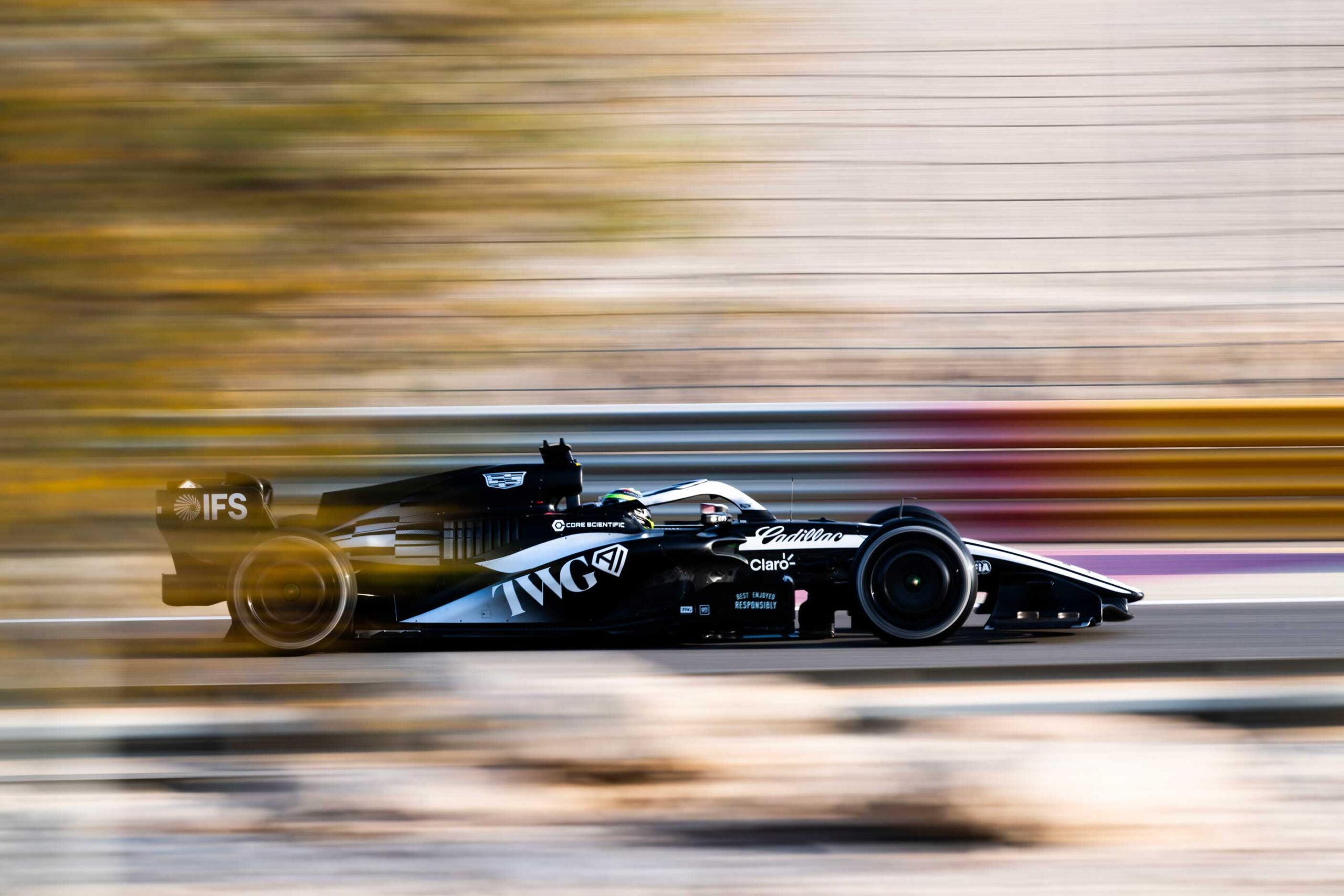
The result is often counter-intuitive. Take an example built on real data and close to the cases we handle at RTR: a mid-level sponsor of a front-running MotoGP team, so neither title nor main sponsor, with its logo on the fairing, on the sleeve of the rider’s leathers, on team clothing, on the trucks and on communication materials. At a European Grand Prix in 2017 that brand stayed on screen for 1,391 seconds, about 23 minutes across the weekend. Converted into advertising space in the countries taking the feed, that exposure was worth 1.6 million pounds (Clearsight data for Dorna, now MotoGP Sports Entertainment Group).
The sponsorship cost roughly the same for the whole season. With a single race the brand had already recouped its investment, and every other round of the championship was exposure in profit. It is one of the reasons a MotoGP sponsorship built with method stands comparison with any media plan; for an example measured all the way to return on investment, see our case study on what a sports sponsorship is worth.
AEV, it should be said, measures exposure and nothing else. It does not tell you how far that exposure changed perceptions of the brand, nor how many business relationships it opened. That is why it is the starting point of the reasoning, not the finishing line.
Asynchronous visibility
AEV figures cover synchronous visibility, the kind generated during the live broadcast. Yet there is a second component of value that traditional advertising cannot capture and that, in sports sponsorship, weighs more every year. We call it asynchronous visibility: everything that happens away from the live broadcast, in the days, months and years that follow. The overtake rewatched on YouTube six months later, the highlights shared by a fan in Indonesia, the documentary series that reconstructs a season, the videos edited by thousands of independent creators.
In all of this content the sponsor’s logo is there. It does not interrupt, because it is part of what the viewer chose to watch. In 2025 the championship put its global fanbase at 632 million people, and on MotoGP’s official YouTube channel alone fans watched more than a billion minutes of content. This is exposure that builds up over time, and that no spot, however expensive, can generate. And when the media take a moment and turn it into an icon, the value grows further still: it is what we have called the propeller effect.
It is no coincidence, then, that Red Bull set up its own media house to turn the events it sponsors into content. Sponsorship is the seed; asynchronous visibility is the harvest.
Apples and pears: sponsorship and digital advertising
These days, though, the most frequent comparison is not with the TV spot. It is with digital advertising: banners, social media campaigns, search ads. An old saying tells us to compare apples with apples and pears with pears, and it is the simplest way to make the point: sports sponsorship and digital advertising often sit in the same marketing plan, but their roots, intentions and workings are different. There are five main differences.
- Sponsorship is strategic, digital advertising is tactical.
- Sponsorship works over the long term, digital advertising over the short term.
- Sponsorship works through emotion and memory, digital advertising through impulse response.
- Sponsorship is not perceived as advertising, a digital ad is.
- Sponsorship builds authority, a digital ad puts the brand in the queue with everyone else.
Strategy and tactics
This is the most important difference. Sponsorship is a strategy: a set of rights from which different activations grow, built around different objectives, audiences and tones of voice, from hospitality to content, from the sales network to the product. A digital ad is a tactic: precise, measurable, surgical, but it is born and dies the moment it is served. The first opens up scenarios, the second holds the ground.
Time
Digital advertising starts when you start paying and stops when you stop paying. It sounds obvious, but it makes the tool ill-suited to building value over the long term. Sponsorship works the other way round: it needs time to get up to speed, but it keeps producing value well beyond the end of the contract. Many still remember Ayrton Senna’s red and white McLaren in Marlboro colours, the Manchester United shirt with Sharp across the chest from 1982 to 2000, Maradona’s Napoli shirt bearing the Mars logo, or Valentino Rossi’s Fiat Yamaha. Few remember the sponsored link they clicked yesterday morning, thinking it was just another result.
Emotion and impulse
Sponsorship works because it rests on the emotions of sport and creates a bond between the brand and the fan’s passion. It gets past the defences viewers raise against advertising and passes on to the brand part of the involvement they feel for the team or the rider. A digital ad works on the immediate response: a click, a visit, a purchase. It works, but it rarely leaves a memory.
It is not advertising
Has anyone ever installed an ad blocker so as not to see the sponsors on a Formula 1 car or on a MotoGP rider’s bike? No, because there is no need. The one for the ads on the websites we visit, on the other hand, is running in many of our browsers right now. Viewers do not experience sponsorship as an interruption, while digital advertising is part of the background noise each of us has learned to ignore.
Authority
Sponsorship ties the brand to the values of the sport and of the property it supports: in motorsport, speed, the pursuit of performance, technology. That is why the most successful partnerships often bring together kindred spirits. Rolex has been Wimbledon’s official timekeeper since 1978, Petronas has been Mercedes’ title partner in Formula 1 since 2010, Richard Mille has tied its image to Rafael Nadal’s wrist since 2010 and to Ferrari since 2021. A digital ad, by contrast, puts the brand on the same footing as everyone else buying the same space at that moment, often on the same platform.
None of this means digital advertising is useless. Used with method it is a valuable tool, and good sponsorship activation certainly uses it, to take what happens on track online. The mistake is to treat the two as equivalent or interchangeable: one is strategic, the other tactical, and they belong to different moments in a company’s decisions.
The advantage for B2B brands
The argument holds even more strongly for companies that sell to other companies. For a B2B company, sponsorship does not just generate visibility: it generates opportunities for relationships. Hospitality, the paddock and private events can shorten sales cycles and build trust with decision makers that advertising struggles to reach.
A decision maker meeting a Formula 1 team’s partners in the Silverstone paddock is in a completely different frame of mind from someone scrolling past a banner on LinkedIn. The quality of attention changes, the willingness to engage changes, the memory in the months that follow changes. AEV measures exposure; this relational dimension is the one that, in the end, really moves negotiations.
Seven million dollars for thirty seconds is a lot. The problem is not the price: it is that those thirty seconds, in the end, run out.
Sources: NBC News, Super Bowl LIX ad prices; Kantar, the average cost of Super Bowl 2020 ads; Sportcal, the Super Bowl LX sell-out; MotoGP, review of the 2025 season; Clearsight data for Dorna on an example close to the cases handled by RTR Sports Marketing (2017).
Sponsorship vs advertising: frequently asked questions
What is the difference between sponsorship and advertising?
Advertising buys a space for a set time and interrupts what the viewer is watching. Sponsorship associates the brand with a sports property, becomes part of the content itself and keeps generating visibility and relationships after the live broadcast and after the contract ends.
What is Advertising Equivalent Value (AEV)?
It is the value of the exposure a sponsorship generates, calculated as if that same space had been bought on the advertising market. It is obtained by multiplying the seconds in which the brand is clearly visible during the broadcast by the value of advertising in each country and time slot, across every country receiving the feed.
How much does a Super Bowl ad cost compared with a MotoGP sponsorship?
For Super Bowl LIX in 2025 the average price of a 30-second spot was above 7 million dollars, and more than ten spots sold for 8 million. In an example close to the cases handled by RTR, a mid-level sponsor of a MotoGP team generated an AEV of 1.6 million pounds at a single European Grand Prix in 2017, roughly what the sponsorship cost for the whole season.
What does asynchronous visibility mean?
It is the visibility a sponsorship generates away from the live broadcast: event content rewatched on YouTube, shared on social media, retold by documentary series and independent creators. Unlike a spot, which lives mainly in the break, the sponsor’s logo stays inside the content and keeps being seen for years.
Sports sponsorship or digital advertising: which should you choose?
They are not alternatives. Sponsorship is a long-term strategic choice that builds memory and authority; digital advertising is a short-term tactic, useful for precise and measurable objectives. They often work best together, with digital advertising serving the activation of the sponsorship.
Does sports sponsorship work for B2B brands too?
Yes, and in some respects particularly well. Top-level motorsport offers hospitality, the paddock and private events, in other words opportunities to build relationships with decision makers that advertising struggles to reach, which can shorten sales cycles and strengthen trust in the brand.