We are pleased to publish this article by Salvatore Valerioti, writer at Blog del Ring.
“Give a child a sheet of paper, some crayons, and ask them to draw a car — they will certainly make it red.”
One of the famous quotes from the great Enzo Ferrari — no ordinary man. That the Old Man of Motorsport was a clear-eyed visionary is beyond doubt, and it is precisely from the intrinsic meaning that quote carries that the ideas and imagination of marketing professionals who have engaged with motorsport have developed over the decades.
The aesthetic — and chromatic — impact has always played an important role in the imagination and memories not only of motorsport enthusiasts but also of the occasional viewers of images that fill screens, displays and printed pages.
If you asked someone to think of a black Formula 1 car, the image of a Lotus JPS would surface in the minds of many. The enthusiast would remember the name, year, model and drivers; others would only picture the car itself — but always the same car.
As I gathered ideas to write these lines, memories brought to light photographs of cars and motorcycles that had been confined to a drawer, intact and ready to reappear without warning. Recollections of a child and an adolescent who watched the objects and the men of this magnificent sport, dreaming of living and meeting them — even though they were distant, yet brought close by the television or by posters of Autosprint and Motosprint pinned everywhere. Memories of historic partnerships that no longer exist today, yet that have marked the memories of so many people, to the point of being able to recognise a hero of a bygone era simply by the colour of their car and the name of the main sponsor that painted the vehicle or motorcycle of their champion, their idol.

This was the insight of those who chose to channel their image and brand through the racing objects desired and loved by the general public since the early 1970s. A photograph imprinted on memory alongside the name of the hero wearing the sponsor’s “livery”, projecting that brand into the fan’s imagination.
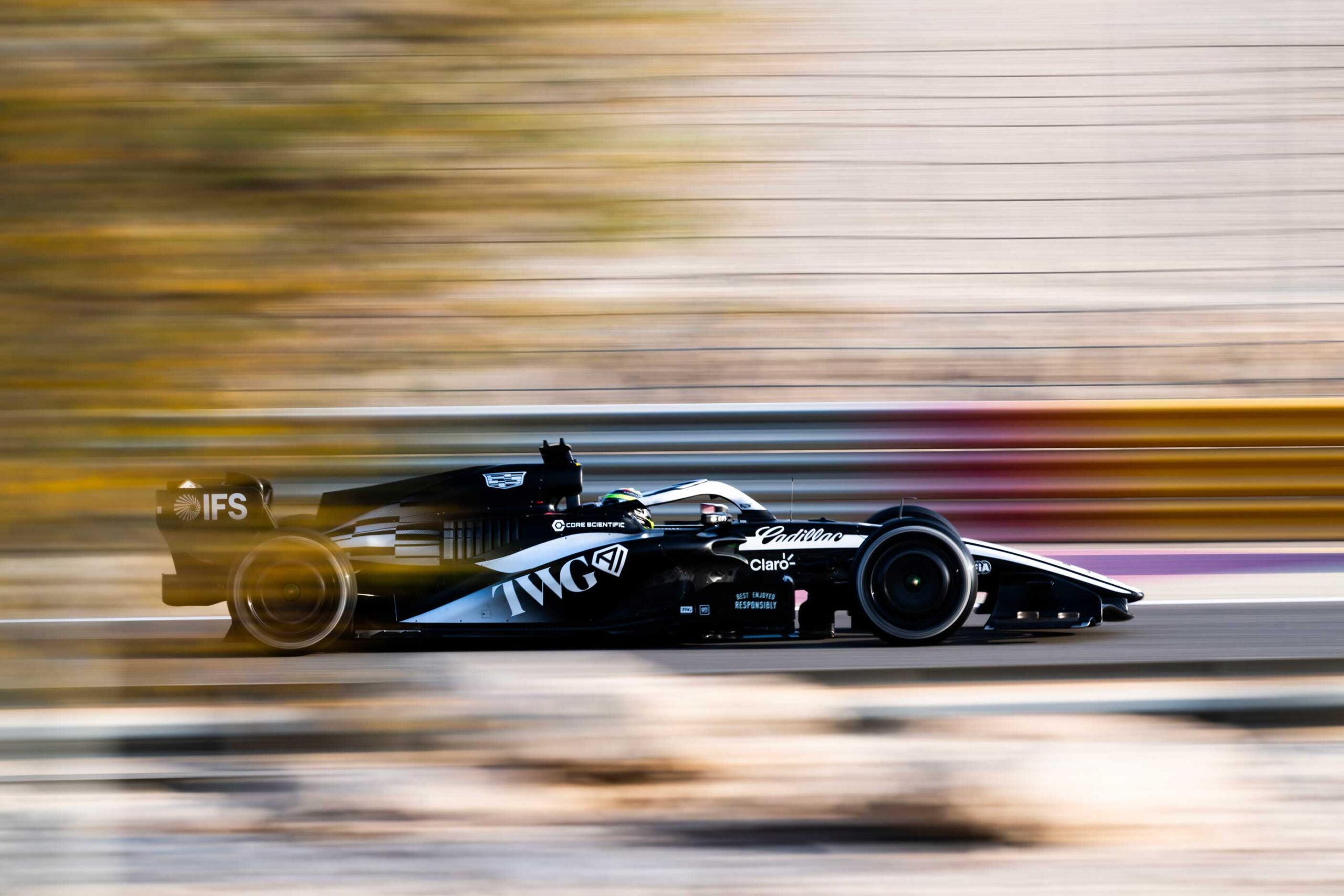
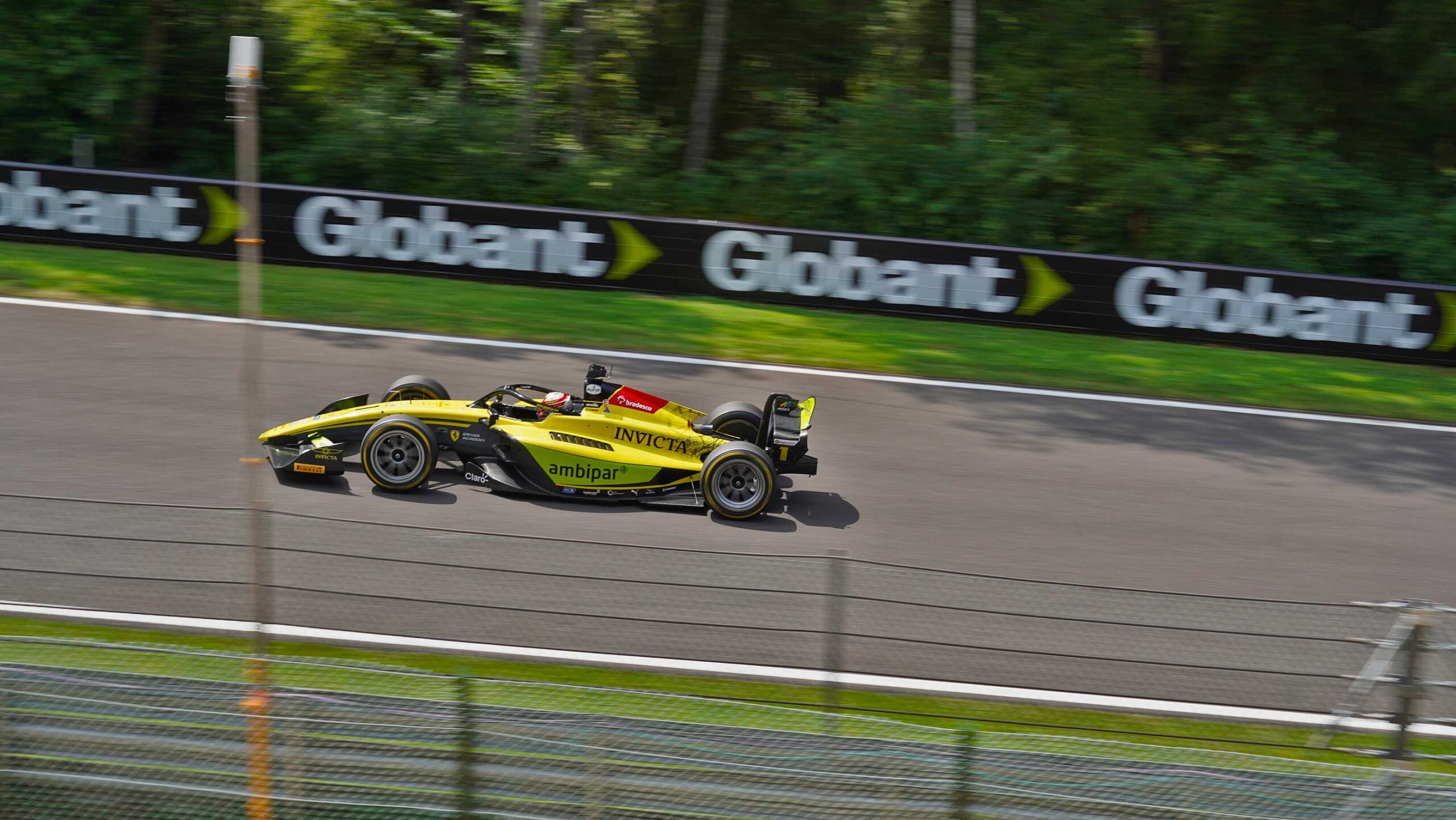
Cars that had competed in national colours with a few technical partner stickers gave way to vehicles “personalised” with sponsors’ names and logos. Nothing simpler than creating a kind of “travelling billboard” that could enter anyone’s home through television and the printed press, with great communicative impact.
The most active pioneers were tobacco companies, which began to cover the entire body of racing objects and even had them painted in their own corporate colours. Their financial resources paved the way for teams — increasingly in need of budget in a sport that was growing ever more expensive — to turn their creations into classic cigarette packets. Hence the stunning liveries of Lotus JPS, McLaren Marlboro, Ligier Gitanes, and the Yamaha Gauloises and Honda Camel in MotoGP, until international laws severely limited and then banned tobacco advertising. But the seventies, eighties and nineties are emblematic in this respect, to the point of linking the image of drivers and teams to a brand whenever the mind drifts back to them. So if you think of Lotus you think JPS, Fittipaldi, Andretti and Elio; if you think of Senna you think of Marlboro; if you think of the Porsche Endurance cars you think of Rothmans.

The examples are countless, and there are also gems like the Hesketh with the Penthouse pin-up painted on the bodywork — could there have been a more fitting pairing than with James Hunt?
Memory also recalls a special McLaren with the red sections painted gold in 1986, driven by Keke Rosberg at the Portuguese Grand Prix — an experiment to promote the Light version of the sponsor that was abandoned because it did not photograph well.
Creative flair lit up the minds at BAR in the late nineties when they managed to race their car painted in Lucky Strike livery on the left half and 555 colours on the right.
And so to the most celebrated and enduring partnerships, such as the all-Turinese collaboration of Lancia and Martini, which saw the white-and-stripes livery on both the early-1980s Endurance World Championship cars and, above all, the dominant Lancia rally cars. To this day, images of those dream cars downloaded from the internet or admired in museums generate returns for the sponsors linked to those exploits and are a magnet for every racing fan.

The entire concept translates to the world of motorcycling, where it is perhaps even more deeply rooted. Motorcycle manufacturers often offer special and limited editions of their big bikes in replica colours, as well as limited replica series of a specific rider in a particular era. Notable examples from Italian marques include MV Agusta with versions dedicated to Agostini, Aprilia with the RSV Mille replica in Edwards and Haga livery, Ducati with the Bayliss versions and the new Panigale V4 series replicating the first 916 in Foggy’s colours.
In the world of motorcycling this identification is even stronger, thanks to the possibility of personalising one’s own bike with the colours of one’s idols at a far lower cost than a car. There is also an aesthetic feasibility that makes identification easier: dressing one’s SUV in a historic sponsor’s livery and driving it around is one thing; doing it with one’s track or everyday motorcycle is quite another.
A motorcyclist’s identification with their hero is made even simpler by the need to wear daily technical clothing that a car does not require. Wearing a replica suit or helmet makes your champion feel tremendously closer — you identify with them at least until you actually get on the bike.
Who could forget the black-and-yellow Yamaha of the first Kenny Roberts (the real one), the Rothmans Honda of Spencer and Gardner, the Marlboro Yamaha Agostini of Rainey, the Schwantz Suzuki Pepsi or the Gallina/Uncini HB, right through to the Repsol Honda and Monster Yamaha of the past two decades?
From there to creating merchandising objects that dress fans while simultaneously spreading the brand is a short — and profitable — step. The author of these lines is not at all immune to this phenomenon: both a car and a motorcycle racing enthusiast, and as such a living testimonial of everything described, the owner of replica helmets of riders from both two and four wheels, and of branded technical clothing.
The goal? None. Simply personal taste and admiration for all those who filled an enthusiast’s Sundays — and who indirectly became many “imaginary friends” who enter your home and leave something tangible that constantly reminds you of their exploits and the emotions they stirred in you.
Salvatore Valerioti — Writer, Blog del Ring
Because they fuse a brand's logo with a beloved champion: the car's colour becomes inseparable from the sponsor's name. McLaren Marlboro, Yamaha Gauloises and Honda Repsol are visual identities that outlast the contracts by decades.
Tobacco companies were the true pioneers: from the 1970s they invested vast resources, turning racing cars and motorcycles into travelling billboards in their corporate colours. Lotus JPS, McLaren Marlboro and Honda Camel are the most iconic liveries of that era.
Motorsport sponsorship speaks to the fan's heart: the logo is not perceived as advertising but as part of the champion's identity. This creates an unbreakable bond between brand and fan — one that often leads people to buy branded merchandise just to feel closer to their idols.
Because motorcycle fans can replicate their champion's aesthetic at low cost: replica liveries, helmets and technical clothing are affordable and turn every rider into a living promotional vehicle for sponsor brands.
RTR Sports, active since 1995 with over 30 years of experience, uses the emotional power of motorsport as a B2B marketing lever: it connects corporate brands with the emotions fans feel for their champions, turning sponsorship into a deep and lasting communication tool.