

For over 30 years, RTR Sports Marketing has had sports sponsorship as its core business: a key tool in the broad “toolkit” of sports marketing, which is itself a branch of the even wider discipline of marketing.
Sponsorship and Sport
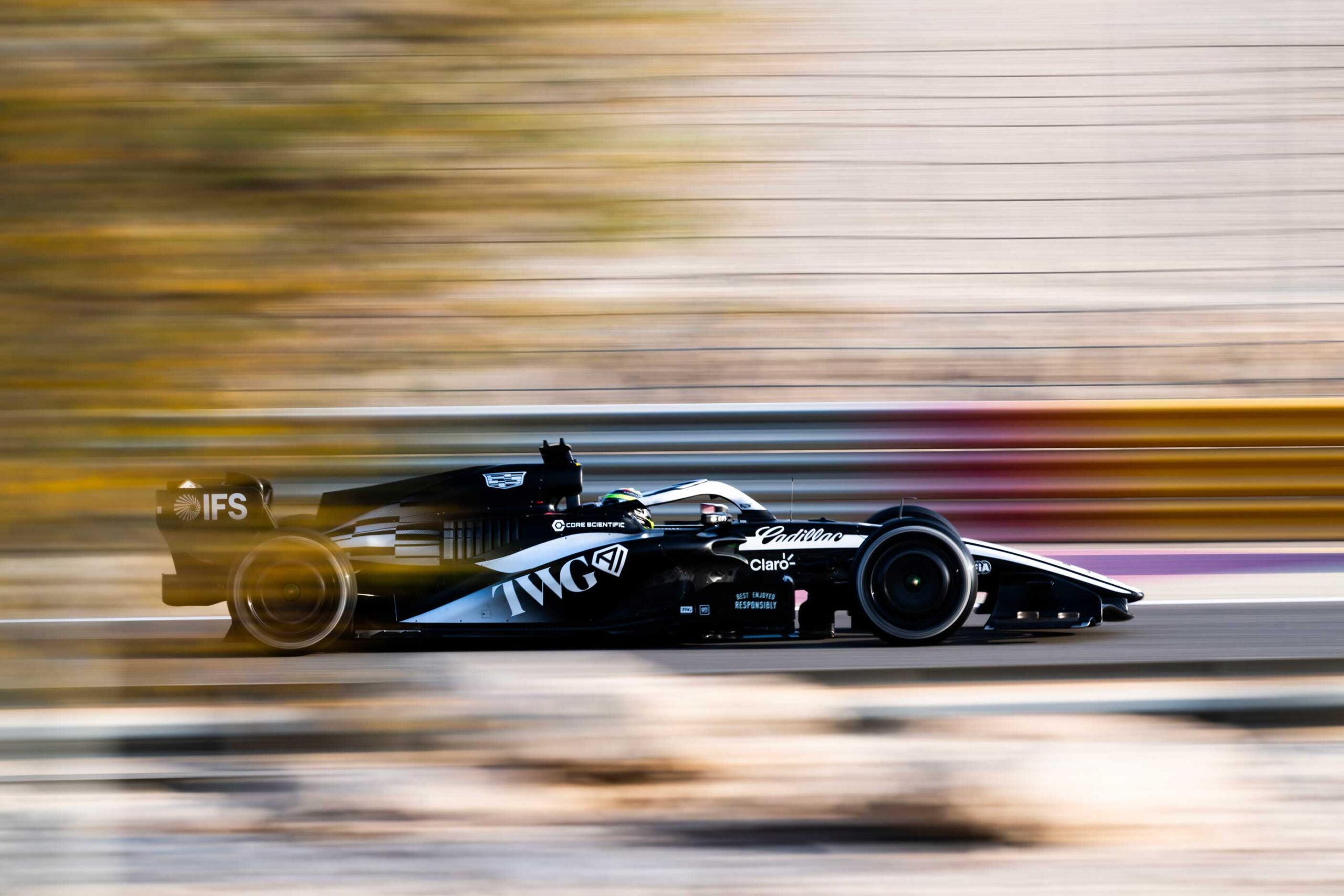
Despite the extreme specificity of sports sponsorship, thanks to the enormous media exposure of sport, the concept of sponsorship is — to a greater or lesser extent — widely known. The first examples that come to mind are the great shirt sponsorships in football, or the major brands covering the liveries of Formula 1 cars or MotoGP motorcycles. It is not wrong to say that sponsorship enjoys good popularity. Of course, there is a “however”.
Sports sponsorship does not consist merely of placing a company logo on a football shirt, on the bodywork of a racing car, or at the entrance to a sports arena. The mistaken belief that sponsorship contracts begin and end with visibility leads to numerous misunderstandings. It is the sports marketing professional’s job to make the sponsor understand the correct reasons underlying this tool.
What is Sports Sponsorship: Definition
Drawing in part from the definition by Mullin, Hardy and Sutton, we can define sports sponsorship as the acquisition of rights, in exchange for monetary compensation in cash and/or goods/services, deriving from affiliation or association with a product, team, organisation or event, with the aim of gaining economic, marketing or image benefits from such affiliation or association.
This definition combines three absolutely fundamental spheres of meaning: 1) the sphere of rights, 2) the sphere of association and 3) the sphere of objectives.

The Sphere of Rights from Sponsorship
The sphere of rights immediately resolves the misconception raised in the opening lines of this article: visibility (whether on a shirt or on a car) is just one of the possible rights acquired by signing a sponsorship contract. It may be present — but it may equally be absent: there are thousands of examples of successful sports sponsorships where visibility is not the defining element. In some cases, sponsorships exist where visibility is not even planned.
Visibility (whether on a shirt or on a car) is just one of the possible rights acquired by signing a sponsorship contract. A sponsorship can generate two types of rights: acquired rights and derived rights.
Acquired rights are those explicitly stated in the contract: visibility, exploitation of the sports image, logo placement, social media presence, use of the showbike (for a MotoGP sponsor) or showcar (for an F1 sponsor), use of passes and more.
Derived rights arise from intelligently “activating” the acquired benefits: competitions, events, social campaigns, exclusive content. They are often the most valuable in terms of ROI.
The topic of sponsorship activations deserves dedicated in-depth coverage.
The Sphere of Association
A sponsorship contract is a full partnership that must rest on solid value alignment and heritage. Like a marriage between two entities, from the moment the agreement begins, sponsor and sponsored team share their values and destinies.
This aspect is too often underestimated, with brands opting for a simple calculation of popularity rather than genuinely reflecting on the relevance of their vision and mission. Many brands dream of associating with top-tier teams or sports, without actually asking whether those entities truly align with their values and brand identity. Equally, many young sports organisations aspire to attract large companies as sponsors, even though they may share nothing in common with them.
This is why a 360° evaluation starting from the correct alignment of values is essential before committing to any sponsorship project.
Why Sponsor Sport: The Sphere of Objectives
The final part of the above definition is equally interesting: ‘with the aim of gaining economic, marketing or image benefits‘. One of the most important moments in evaluating a sponsorship project is the discussion of the business objectives that the sponsorship must help achieve.
On the sponsor’s side, it is necessary to answer one simple question: what do we want to achieve? The answers can vary; they almost always include an element of impact on the bottom line — i.e. increasing sales — but that is not necessarily where the circle closes. The definition itself, for example, cites marketing or image objectives alongside economic ones.
The key question is: what do we want to achieve? Sponsorship can raise brand awareness, increase brand loyalty, generate media buzz, improve market positioning, or achieve B2B objectives.
Those needing brand awareness will prioritise visibility, while those with B2B goals will focus on hospitality or media relations.
How Big is the Sports Sponsorship Market?
The global sports sponsorship market exceeded $65 billion in 2023 and is projected to grow beyond $100 billion by 2030 (source: PwC Sports Survey 2024). In motorsport — with Formula 1 and MotoGP leading the way — average sponsorship budgets are among the highest in all sport.
Explore our dedicated guides on Formula 1 sponsorship and MotoGP sponsorship.
Frequently Asked Questions about Sports Sponsorship
What is sports sponsorship?
What are the main objectives of sports sponsorship?
What is the difference between acquired rights and derived rights?
How much does a motorsport sponsorship cost?
How do you choose the right sports partner for your company?