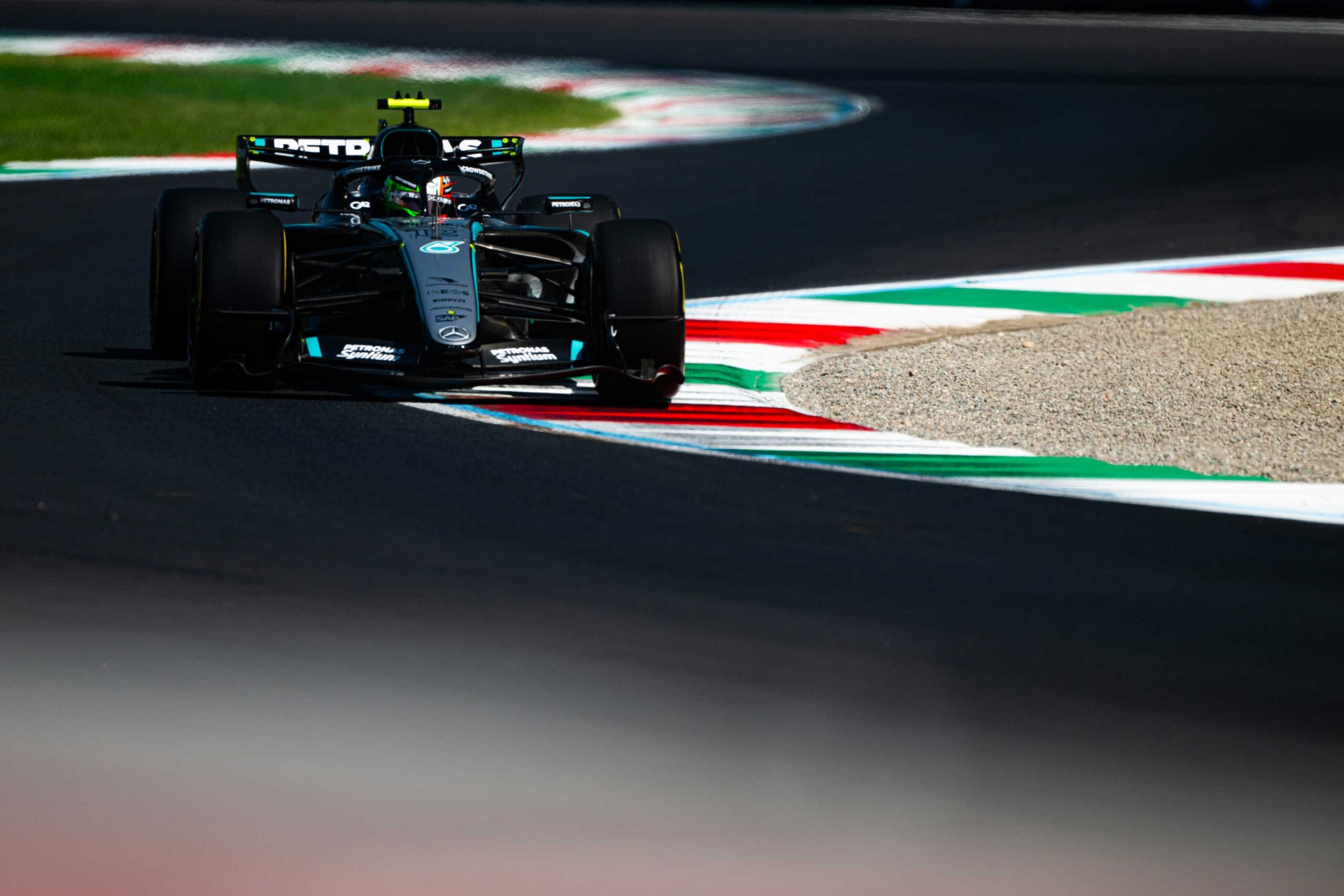
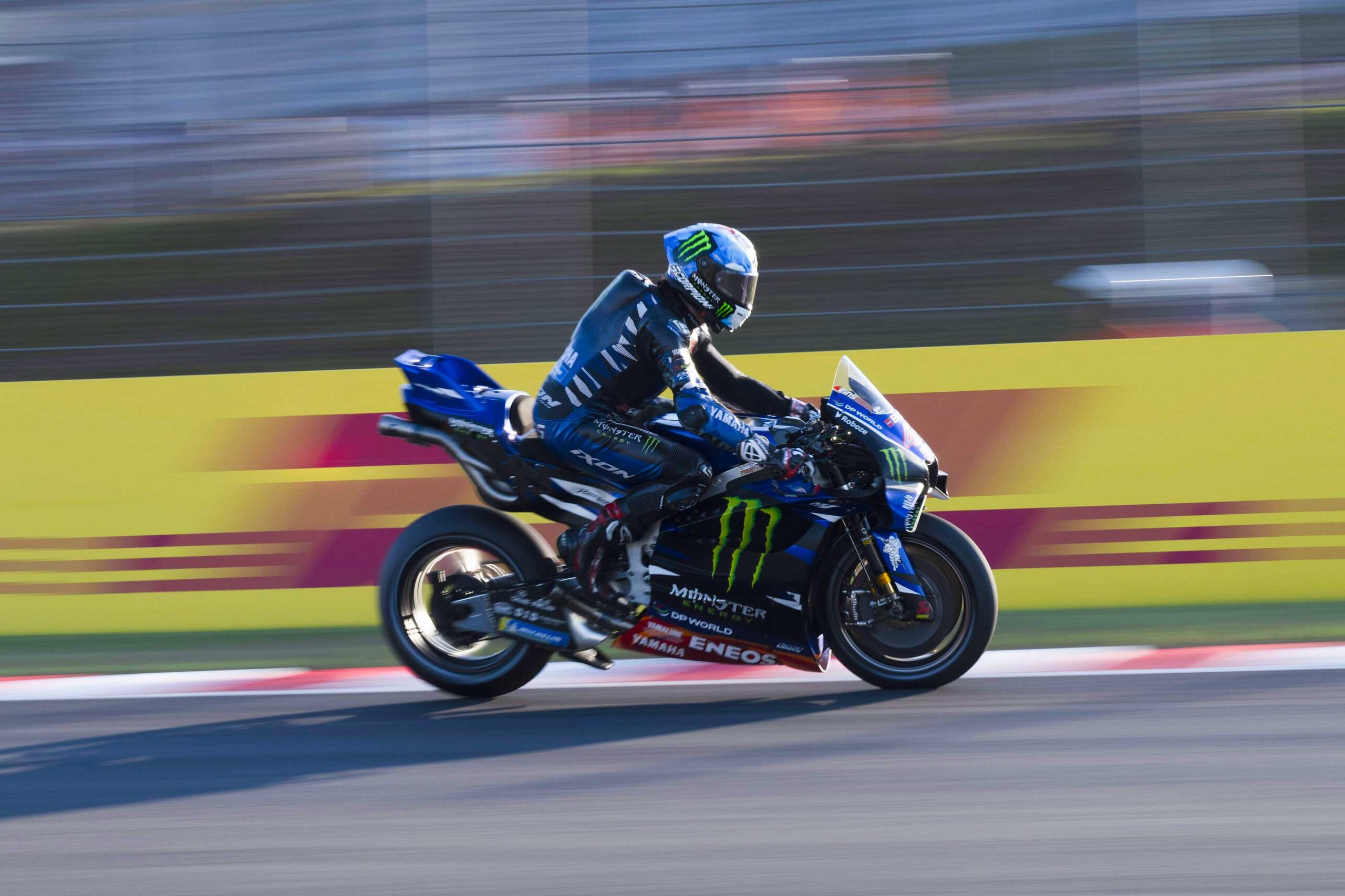
For eight seasons, Formula E fans could give their favourite driver more power with a vote. It was called FanBoost: the drivers who received the most votes had a few extra kilowatts available for a few seconds during the race. It was born with the championship in 2014 and was dropped with the arrival of the Gen3 cars in the 2022/23 season, by agreement between the teams and the promoter, later ratified by the FIA, after years of debate over sporting fairness and suspicions, never proven, of votes inflated by bots.
It is the most useful case for understanding gamification in sports, meaning the use of game mechanics (scores, leaderboards, predictions, challenges) to engage the audience. It works when the game sits alongside the race. It stops working when it tries to get inside it.
In short
- In motorsport, gamification takes four forms: fantasy games, predictions, votes that affect the race, and video games and simulators. In our view, the first two are the most solid.
- For a sponsor, the value is not the game itself but the name on the game, the data collected with fans’ consent and how often the audience comes back.
- It is measured in participation and data, not in visibility. Media value is something else.
Key points
- F1 Fantasy and MotoGP Fantasy are the official, and free, fantasy games of the two championships.
- The MotoGP Predictor is presented by Tissot: a clear example of a game built around a sponsor.
- The Scuderia Ferrari HP app, rebuilt with IBM in 2025, added predictions, new quizzes and an assistant based on IBM’s artificial intelligence in 2026.
What gamification in sports is
The term describes something simple: taking the rules of a game and applying them to the way the audience follows a sport. The fan makes a choice (a fantasy team, a prediction, an answer), gets a score, compares it with others and comes back the following week to do better. In a championship that usually races every one or two weeks, gamification fills the gap between one race and the next.
For a sports organisation, the reason is loyalty: a fan who plays has one more reason to open the app, watch qualifying and follow the midfield drivers they have picked. For a sponsor the reason is different, and we will come to it shortly.
The four forms of gamification in motorsport
1. Fantasy games
This is the form you come across most often. In F1 Fantasy, Formula 1’s official free game, in the 2026 season every player starts from a cost cap of 100 million virtual dollars with which to pick five drivers and two constructors, and earns points based on the real results of the weekend. MotoGP launched its own MotoGP Fantasy before the start of the 2020 season, also free, with a stated aim: to bring users back to the championship’s platforms. It returned in 2026 as well.
2. Predictions
A prediction asks for less commitment than a fantasy team, and that is why it lends itself to being tied to a brand. The MotoGP Predictor is presented by Tissot, the championship’s official timekeeper since 2001, and asks you to guess just one thing, the pole position time in the premier class: a game about time, signed by the brand that measures it. According to a case study published by Genius Sports in 2024, the game is designed precisely to activate the main sponsor, which carries its name and branding. The Ferrari app, rebuilt in 2025 with IBM, also added predictions, a tyre strategy tool and new quizzes in 2026.
3. Votes that enter the race
This is the riskiest form, and it is where FanBoost belongs. In Formula E’s first season, 2014/15, the three most-voted drivers received an extra 30 kW, from 150 to 180 kW, for five seconds in each of the two cars they used in the race; the rules changed over time, but the principle remained until the 2021/22 season. In our view, the problem was not technical: a sporting result influenced by an online vote is open to dispute, and the championship had to remove voting via Instagram in 2017, and later via Twitter, to limit manipulation. When gamification touches the competition, the risk to credibility can outweigh the gain in engagement.
4. Video games and simulators
The last form takes the game off the phone screen: simulators, arcades, official video games. In our experience it is also the most demanding to build, and the closest to the product, because the fan drives instead of watching. We covered it in our piece on F1 Arcade and F1 Drive.
What the sponsor gets out of it
A well-made game gives a sponsor three things that a logo alone does not.
- The name on the game. The Tissot case shows the model: the brand is not next to the content, it is the content. Every time the fan plays, they interact with the sponsor.
- Data collected with consent. Anyone who signs up for a game leaves an address, some preferences, a usage pattern. This is data a company can use for its own campaigns, within the limits of privacy rules and the agreement with the championship. We wrote about it in our piece on first-party data in MotoGP.
- Frequency. A game that renews every weekend brings the audience back for the whole season. For a brand, it is the difference between being seen once and becoming a habit.
In our experience, the game works when it is part of a broader programme, together with digital and on-site activations. On its own, it becomes one more icon in an app.
How it is measured
Media value, meaning what it would cost to buy the same exposure as advertising, is a good benchmark for comparing different packages. But it is not enough to measure a game. These are the indicators that count:
| Indicator | What it tells you | How it is collected |
|---|---|---|
| Registered and active players | how much of the audience the game really reaches | data from the championship’s platform |
| Week-on-week return | whether the game creates a habit | share of players active at each Grand Prix |
| Contacts with consent | how many fans agree to receive communications from the sponsor | sign-ups and preferences in the game |
| Conversions | how many of those contacts become customers | dedicated codes, tracked campaigns |
A programme measured on these numbers stands up to the chief financial officer’s questions. One measured on impressions does not. The full method is in our guide to sponsorship analytics.
Who it works for and who it does not
Gamification is a good choice for brands that sell directly to the public and want to build an ongoing relationship with fans: watches, consumer goods, digital services, betting where the law allows it. It also works for those who need data on their audience more than reach.
It is a weaker choice for those who sell to other businesses and are mainly looking for customer relationships. There, the paddock, hospitality and technology integrated into the team deliver more, and the game can remain a side dish. And it is the wrong choice when the idea is to let the audience affect the race: FanBoost has already shown where that leads.
How we work on gamification
For thirty years we have handled sponsorships in motorsport, today in Formula 1, MotoGP and Formula E, and in gamification our job is to work out whether the right game already exists, with the championship or the team, or needs to be built, and to write an agreement that gives the sponsor the name, the data and the measurement. The commission is paid by the sports property, not by the brand: that is why we can tell a company when a game is not the right tool for its goal. The distinction matters.
Frequently asked questions about gamification in sports
What is gamification in sports?
It is the use of game mechanics, such as scores, leaderboards, predictions and challenges, to engage the audience of a sport. In motorsport the main forms are fantasy games, predictions, votes that affect the race, and official video games or simulators.
Which official games exist in Formula 1 and MotoGP?
Formula 1 has F1 Fantasy, which is free and in which, in 2026, players pick five drivers and two constructors starting from a cost cap of 100 million virtual dollars. MotoGP has MotoGP Fantasy, launched before the 2020 season, and the MotoGP Predictor presented by Tissot, in which players predict the pole position time.
What was Formula E's FanBoost?
It was a fan vote that gave the most-voted drivers a few extra kilowatts for a few seconds during the race. It existed from the first season, in 2014, until the arrival of the Gen3 cars in the 2022/23 season, when the teams and the promoter decided to remove it.
What does a sponsor get out of gamification?
Three things: the name on the game, like Tissot with the MotoGP Predictor; fan data collected with their consent, within the limits of privacy rules and the agreement with the championship; and frequency, because a game that renews every weekend brings the audience back for the whole season.
How is a game-based sponsorship measured?
With participation and data rather than visibility: active players, week-on-week return, contacts who agree to receive communications from the sponsor, and conversions tracked through dedicated codes or campaigns.
Which companies does gamification in motorsport work for?
Mainly brands that sell to the public and want an ongoing relationship with fans, such as watches, consumer goods and digital services. For those who sell to other businesses, the paddock, hospitality and technology integrated into the team deliver more.